Category: Medication Guides - Page 2
Learn how medication synchronization cuts pharmacy visits and copays by aligning all your chronic prescriptions to one monthly refill day. Save money, reduce missed doses, and simplify your routine.
Comorbidities like diabetes, liver disease, or heart failure can turn common medications into serious risks. Learn how existing conditions change drug metabolism, increase side effects, and what steps you can take to stay safe.
The FDA doesn't stop monitoring generic drugs after approval-it actively tracks safety through real-world data, inspections, and patient reports. Learn how the system works and why your reports matter.
Generic prescribing saves the NHS over £1.3 billion annually and improves patient adherence. Learn when to use generics, when to stick with brands, and how to talk to patients about it.
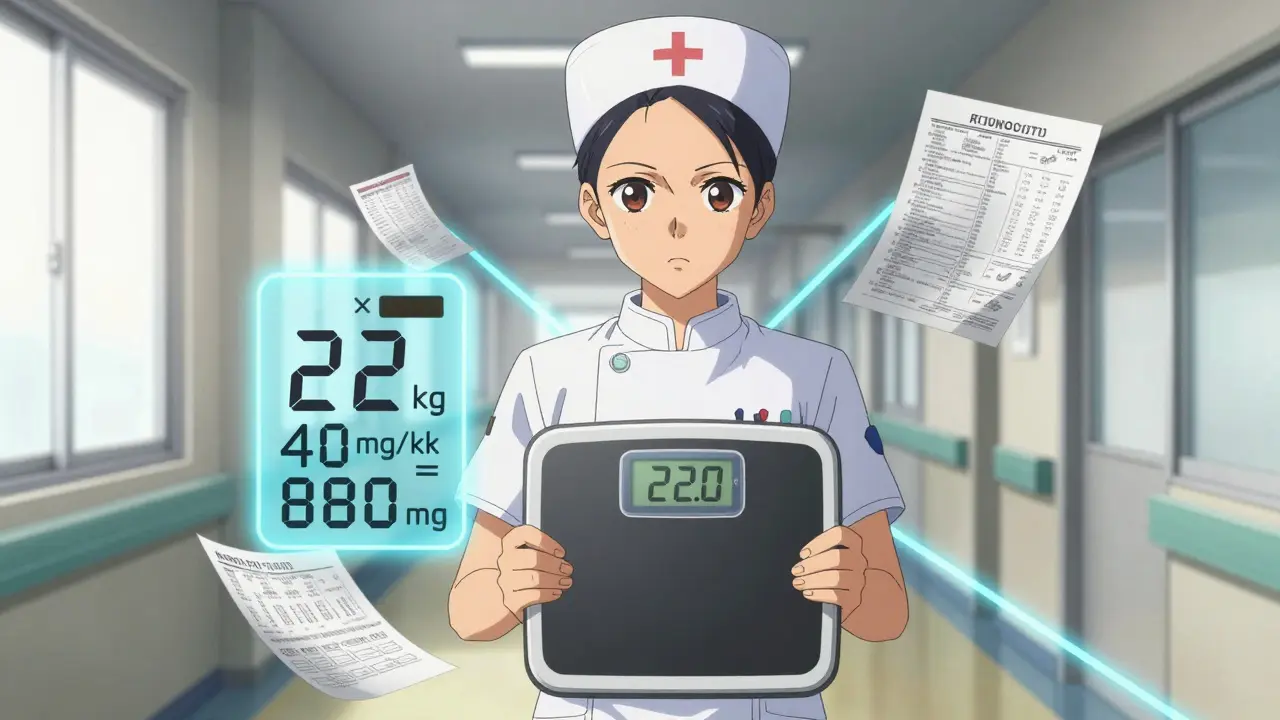
Weight-based dosing is the safest way to give medicine to children. Learn how to calculate doses using mg/kg, convert pounds to kilograms, avoid common errors, and ensure your child gets the right amount every time.
Learn how to report adverse drug reactions to the FDA's MedWatch system. Understand what counts as reportable, how to fill out the form, and why your report matters for drug safety.
Dizziness and lightheadedness are common side effects of many medications, from blood pressure pills to antidepressants. Learn which drugs cause them, why they happen, and what you can do to reduce the risk-especially if you're over 65.
AERD (Samter's Triad) combines asthma, nasal polyps, and NSAID reactions. Diagnosis requires clinical history and sometimes an aspirin challenge. Desensitization with daily aspirin after surgery is the most effective long-term treatment, reducing polyp recurrence by 65%.
Kidney disease slows drug clearance, leading to dangerous medication buildup. Learn which common drugs are risky, how to spot toxicity, and what steps you can take to stay safe.
Learn how to prevent and relieve nausea and vomiting caused by medications using proven drug and non-drug strategies. From ginger to antiemetics, get practical advice backed by doctors and patients.
Learn how to prevent and treat antibiotic-induced diarrhea and C. diff infection, including the latest treatments, prevention strategies, and what to do if it comes back. A practical guide based on current medical guidelines.
Learn how to safely and accurately give liquid medicine to kids using dosing syringes. Avoid common mistakes, choose the right syringe size, and learn the correct technique to prevent overdosing or underdosing.