
Comorbidity Drug Interaction Checker
How Your Conditions Affect Medications
People with multiple health conditions face significantly higher risks from medication side effects. This tool helps you understand your personal risk based on your conditions and medications.
66% of all reported adverse drug reactions happen in people with comorbidities. For patients with three or more conditions, hospital stays due to drug reactions are 2.5 times more likely.
Your Personalized Risk Assessment
Key Factors Identified:
Important: This tool helps identify potential risks, but doesn't replace professional medical advice. Always consult your doctor or pharmacist about medication safety.
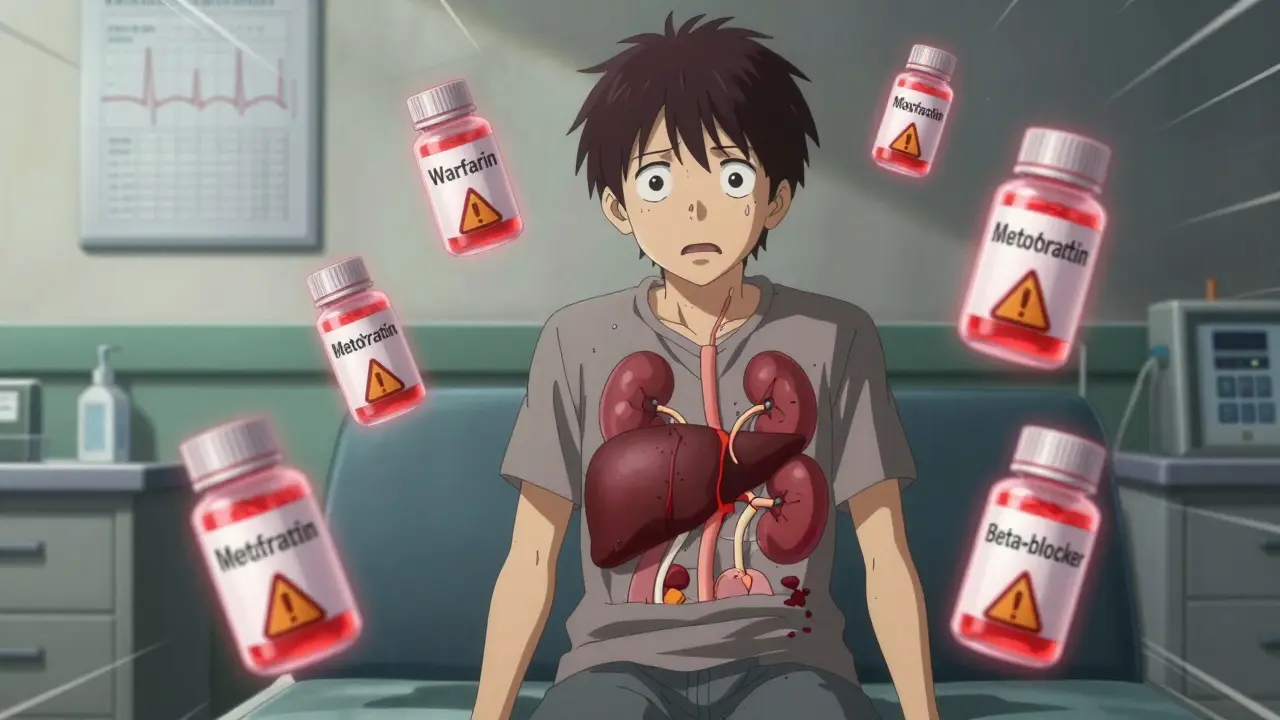
When you’re taking medication, you expect it to help - not hurt. But if you have one or more chronic health conditions, your risk of dangerous side effects goes up dramatically. It’s not just about the drug itself. It’s about how your body, already stressed by other illnesses, handles that drug. This isn’t rare. It’s the new normal. More than 66% of all reported adverse drug reactions happen in people with comorbidities. That’s two out of every three cases. And for patients with three or more chronic conditions, hospital stays due to drug reactions are 2.5 times more likely.
Why Existing Conditions Make Drugs More Dangerous
Your liver and kidneys don’t just sit there doing nothing. They’re the ones cleaning drugs out of your system. But if you have liver disease, your body’s ability to break down medications drops by 30% to 50%. That means drugs stay in your bloodstream longer. Higher doses. Stronger effects. More side effects. Same pill. Different outcome. Kidney problems do something similar. If your glomerular filtration rate (GFR) falls below normal, drugs that are cleared through urine build up. Blood pressure meds, diabetes drugs, even antibiotics - all can become toxic if your kidneys aren’t filtering properly. This isn’t theoretical. It’s happening every day in clinics and hospitals. Then there’s what experts call pharmacodynamic interactions. This means your disease changes how your body responds to the drug. Someone with Parkinson’s disease, for example, is far more sensitive to antipsychotic medications. A normal dose might cause severe tremors or stiffness in them - side effects that wouldn’t bother someone without the condition. It’s like turning up the volume on a speaker that’s already crackling.The Polypharmacy Trap
Most people with multiple chronic conditions aren’t taking one or two pills. They’re taking five, six, even ten. A study of people over 65 found that 42% were on five or more medications daily. And in that group, nearly half had dangerous drug-drug interactions. Here’s the scary part: 35% of those interactions were classified as major - meaning they could cause permanent damage or death. Cancer patients aren’t immune. In one study of just 100 patients, 65 had drug interactions. Over a third of those were major. And those interactions didn’t just raise risk - they added $1,200 to $2,500 per incident in avoidable costs. It’s not just the number of drugs. It’s the combinations. Anticoagulants like warfarin, blood pressure drugs like beta-blockers, and psychiatric meds like SSRIs are the most common culprits. When you mix them with other conditions - say, heart failure, diabetes, and depression - the risks stack up like dominoes.Who’s Most at Risk?
Older adults are the most visible group, but the problem isn’t just age. It’s the number of conditions. People over 75, especially women, are nearly three times more likely to be prescribed medications flagged as inappropriate by the Beers Criteria - a list of drugs that should be avoided in older patients due to high risk. People with substance use disorders face another layer. Up to 93% of those in treatment also smoke. That means drugs metabolized by the liver get processed differently. Alcohol, opioids, stimulants - all change how medications behave. A painkiller that’s safe for someone without addiction can become deadly for someone on methadone or buprenorphine. And then there’s chronic pain. About 10% of people prescribed opioids for pain end up misusing them. That’s not just addiction. It’s a feedback loop: the drug meant to treat pain becomes a new source of risk - respiratory depression, overdose, withdrawal complications.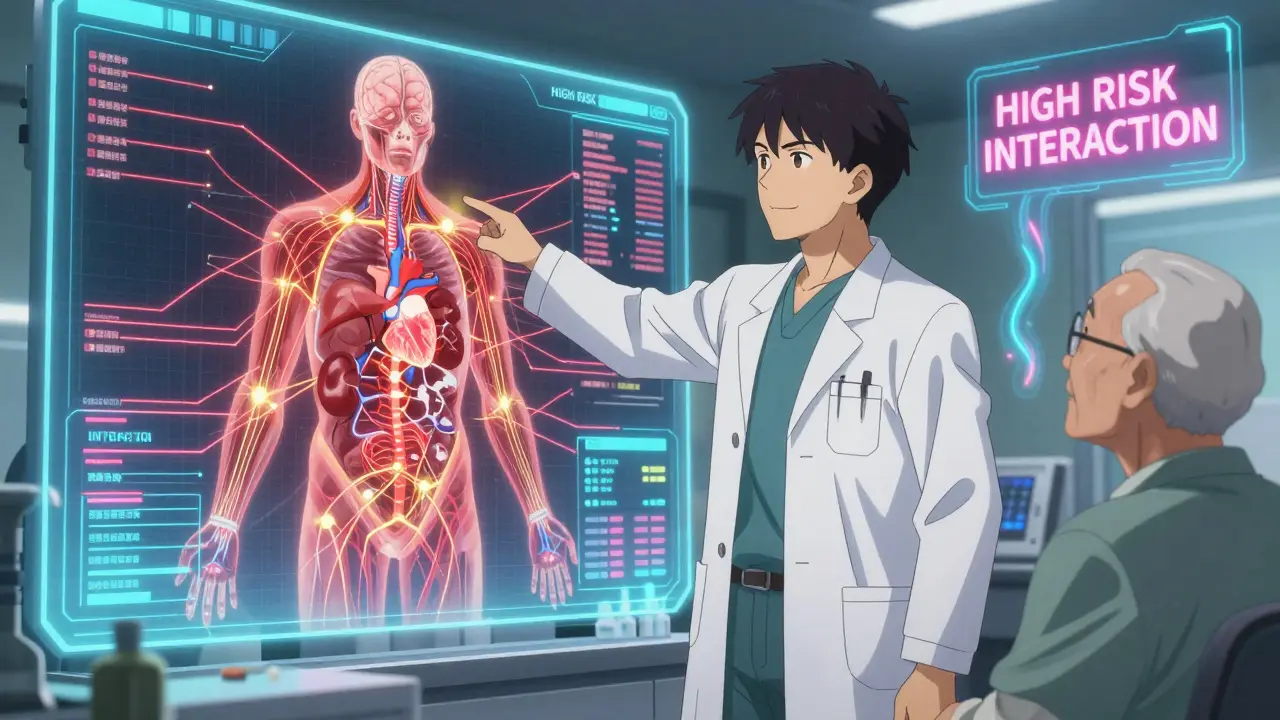
What Symptoms Should You Watch For?
Side effects in people with comorbidities don’t always look like the ones listed on the pill bottle. The most common symptoms reported? Weakness (36%), dizziness (11.8%), headache (7.3%), nausea (4.9%), vomiting (4.0%), and insomnia (2.9%). Notice something? These aren’t rare or exotic. They’re the kind of symptoms people often brush off as "just getting older" or "stress." But in someone with multiple chronic conditions, they could be early warning signs of a drug reaction. Dizziness might mean your blood pressure med is too strong. Weakness could be kidney buildup from a diabetes drug. Insomnia might be a side effect of an antidepressant clashing with a heart medication.Why Clinical Trials Don’t Tell the Whole Story
Most drug trials exclude people with multiple chronic conditions. They want clean data. So they pick healthy volunteers or patients with just one illness. That means when a drug gets approved, doctors have no real data on how it works in someone with heart disease, diabetes, and COPD all at once. Studies show 70% to 80% of elderly patients with three or more conditions were left out of the original trials. So when your doctor prescribes a new pill, they’re guessing. They’re using data from people who aren’t like you. That’s why real-world outcomes often surprise everyone.What Can You Do?
The good news? There are proven ways to reduce this risk. First, get a full medication review. Not just from your doctor - from a clinical pharmacist. One study found these reviews cut adverse drug reactions by 22%. Pharmacists spot interactions doctors miss. They know which drugs interact with liver disease, which ones worsen kidney function, which ones cause dizziness in older adults. Second, ask about deprescribing. Not every pill you’ve been taking for years is still necessary. The STOPP/START criteria help doctors decide what to stop and what to start. In one trial, using these guidelines reduced hospitalizations from drug reactions by 17%. Third, use technology. Electronic health records with built-in decision support now flag risky combinations based on your full medical history. Systems like Epic and Cerner are updating their algorithms to catch interactions tied to specific comorbidities. That’s not science fiction - it’s happening now.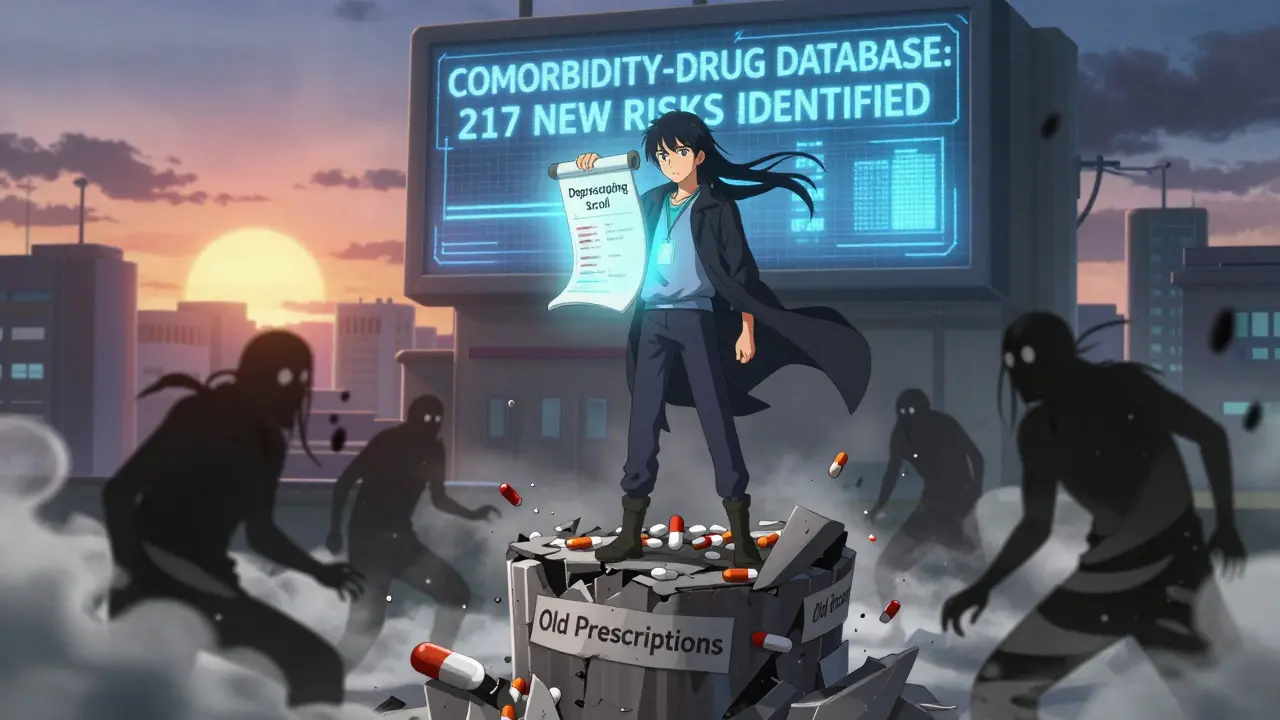
The Future Is Personal
The NIH just launched a new database called the Comorbidity-Drug Interaction Knowledgebase, built from 12 million patient records. It’s already identified 217 new high-risk combinations doctors didn’t know about. Machine learning tools are now predicting drug reactions with 89% accuracy - far better than old methods. And new tools like the American Medical Association’s 2025 Comorbidity Assessment Tool adjust risk scores in real time using lab results. Early results show a 31% drop in side effects in pilot clinics. Soon, we’ll see personalized dosing based on your genetics, your organ function, and your full list of conditions. Phase II trials are already showing 40% fewer reactions when treatment is tailored this way.What to Ask Your Doctor
If you have multiple chronic conditions, don’t wait for your doctor to bring it up. Ask these questions:- "Which of my medications could interact with my other conditions?"
- "Is there a safer alternative for someone with [your condition]?"
- "Could any of these drugs be causing my fatigue or dizziness?"
- "Can we review all my meds together - including supplements and OTCs?"
- "Is there a drug I can stop safely?"
The Bottom Line
Having multiple health conditions doesn’t mean you can’t take medication. But it does mean you need to be smarter about it. The risks are real. The data is clear. And the solutions exist. The future of safe medication use isn’t about finding the perfect drug. It’s about matching the right drug, at the right dose, to your unique body - with all its complications, conditions, and complexities. That’s not just good medicine. It’s necessary medicine.Can comorbidities make side effects worse even if I’m not taking many drugs?
Yes. Even a single medication can become risky if your body’s ability to process it is damaged by a chronic condition. For example, someone with liver disease may experience stronger side effects from a standard dose of a painkiller because their liver can’t break it down properly. It’s not about the number of drugs - it’s about how your illness changes how your body handles them.
Are over-the-counter meds safe if I have comorbidities?
Not always. Common OTC drugs like ibuprofen, naproxen, or even antacids can interact with chronic conditions. NSAIDs can worsen kidney function in people with diabetes or high blood pressure. Antacids can interfere with absorption of heart or thyroid meds. Always check with your pharmacist before taking anything new - even if it’s sold without a prescription.
Why do I keep getting dizziness or weakness even though my meds haven’t changed?
Your health can change over time. A kidney function test that was normal six months ago might now show decline. Liver enzymes might be dropping. These slow changes alter how your body processes drugs - even if your prescription hasn’t changed. Symptoms like dizziness or weakness are often early signs of a drug buildup. Ask for a medication review if these symptoms start or worsen.
Can I stop a medication if I think it’s causing side effects?
Never stop a medication on your own - especially if it’s for blood pressure, diabetes, seizures, or mental health. Stopping suddenly can be dangerous. Instead, write down your symptoms and bring them to your doctor or pharmacist. They can help determine if the drug is the cause and create a safe plan to adjust or replace it.
Is polypharmacy always bad?
Not always. Some people genuinely need multiple medications to manage complex conditions. The problem isn’t the number of pills - it’s whether each one is still necessary, safe, and working as intended. The goal isn’t to reduce pills for the sake of it. It’s to make sure every drug you take is doing more good than harm - given your full health picture.
Chelsea Harton
January 17 2026so like... if my liver is trash and i take tylenol, it just... sits there? yeah that makes sense. why does no one talk about this?
Corey Chrisinger
January 19 2026it’s wild how medicine still treats bodies like machines with one broken part, not whole systems. we’re not widgets. we’re messy, overlapping, biologically chaotic ecosystems. and yet we hand out pills like they’re candy. 🤔💊
Travis Craw
January 19 2026i had a cousin on 7 meds after his stroke. doc kept adding more for new symptoms. finally, a pharmacist looked at the list and said 'you’re treating side effects of side effects.' he cut 3 meds and she’s been better ever since.
vivek kumar
January 20 2026the data is undeniable, but systemic neglect is the real villain. in india, elderly patients are often prescribed polypharmacy without any review-pharmacists are underpaid, doctors overworked, and patients too afraid to question. this isn’t just medical-it’s a social justice crisis.
Riya Katyal
January 21 2026oh wow, so my grandma’s ‘just getting old’ dizziness is actually your doctor’s lazy prescribing? revolutionary. next you’ll tell me water is wet.
Henry Ip
January 21 2026my mom’s pharmacist caught a dangerous combo between her blood pressure med and her turmeric supplement. no one else even asked about the supplements. just ask. seriously. it takes 2 minutes.
Kasey Summerer
January 22 2026you think this is bad? wait till you see what happens when you combine 8 drugs with a 30-year smoking habit, uncontrolled diabetes, and a 40-year-old heart. the system doesn’t fail you-it never even tried to help.
kanchan tiwari
January 23 2026they’re hiding this on purpose. big pharma doesn’t want you to know your body is a minefield. they profit from side effects. hospital stays. ER visits. insurance claims. it’s all a business model. they don’t cure-they monetize decline.
Bobbi-Marie Nova
January 25 2026my dr actually asked me to bring ALL my bottles to the visit-including the gummy vitamins. i was like ‘really?’ turns out the gummies were messing with my thyroid med. thanks, Bobbi-Marie, for not being a robot.
Ryan Hutchison
January 26 2026in america we don’t have time for this nonsense. if you’re old and sick, you should’ve planned better. we’re not babysitting people who won’t take care of themselves. just take the pill and shut up.
Samyak Shertok
January 26 2026so the real problem isn’t comorbidities-it’s that we still treat medicine like a one-size-fits-all magic bullet. we’re not even trying to understand complexity. we just want a pill for every symptom. and now we’re surprised when the house burns down? genius.
Stephen Tulloch
January 27 2026look, i get it. your grandma’s on 12 pills and your cousin died from a drug interaction. but let’s be real-this is why europe has better outcomes. they have pharmacists reviewing every script. here? you’re lucky if your doctor knows your name. 🍷🫂