
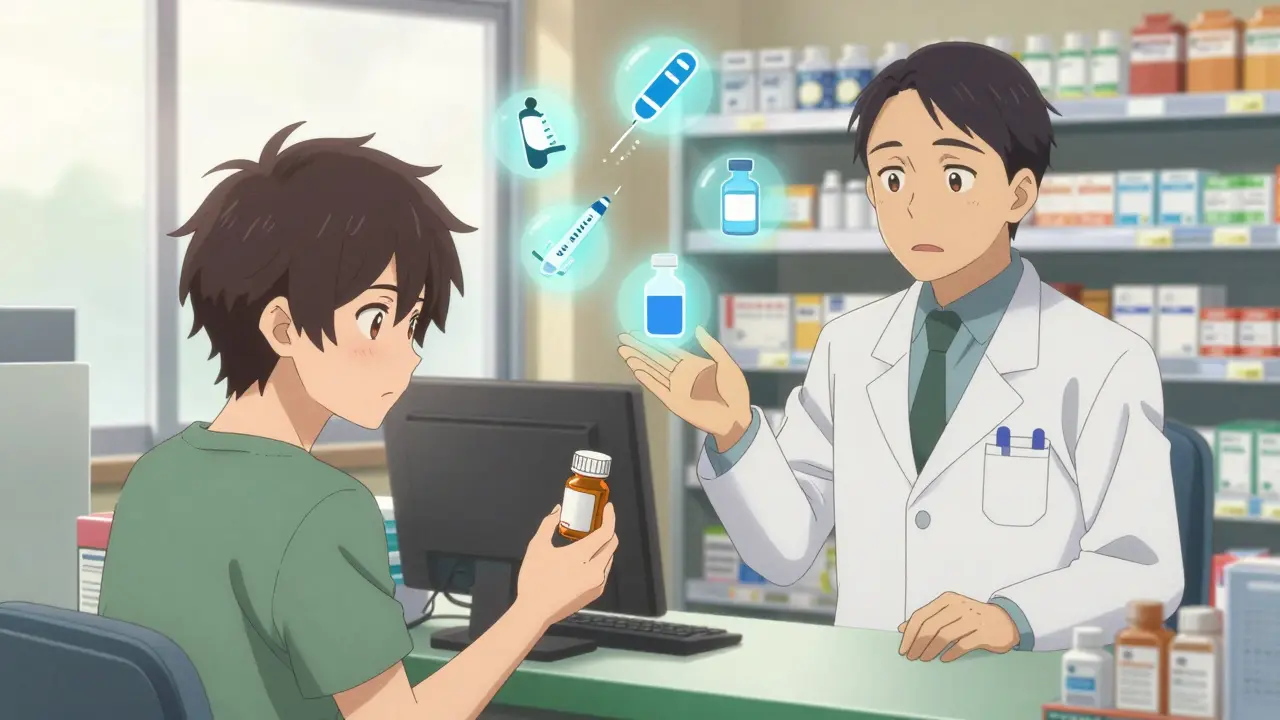
Most people have a drawer or cabinet with a few expired pills tucked away-maybe an old bottle of ibuprofen from last year’s flu, or leftover antibiotics from a past infection. It’s tempting to grab them when you’re sick and don’t want to wait for a refill. But is it safe? And how do you even bring this up with your pharmacist without sounding careless or panicked?
The truth is, expired medications aren’t always dangerous-but they’re not always safe either. The difference matters. Some pills just lose strength. Others could put your life at risk. That’s why talking to your pharmacist isn’t just a good idea-it’s essential.
What Happens When Medications Expire?
Expiration dates aren’t made up by drug companies to push new sales. They’re based on real testing. The FDA requires manufacturers to prove a medication stays stable, potent, and safe up to that date. After that? No one’s required to test it further. So while many pills still work months or even years past their label date, no one can guarantee it.
Most solid medications-like tablets and capsules-tend to hold up well. Studies, including one from the U.S. military’s Shelf Life Extension Program, found that 88% of drugs tested were still effective 1 to 5 years after expiration. But that doesn’t mean yours will be. Storage matters. If your medicine sat in a hot bathroom or a damp basement, it breaks down faster.
Liquids, injections, and eye drops? These degrade quickly. Insulin, epinephrine pens, nitroglycerin, and antibiotics in liquid form can lose potency fast-or even become harmful. If you’re using one of these and it’s expired, don’t guess. Don’t risk it.
Which Expired Medications Are Risky?
Not all expired drugs are created equal. Some are harmless. Others are serious threats.
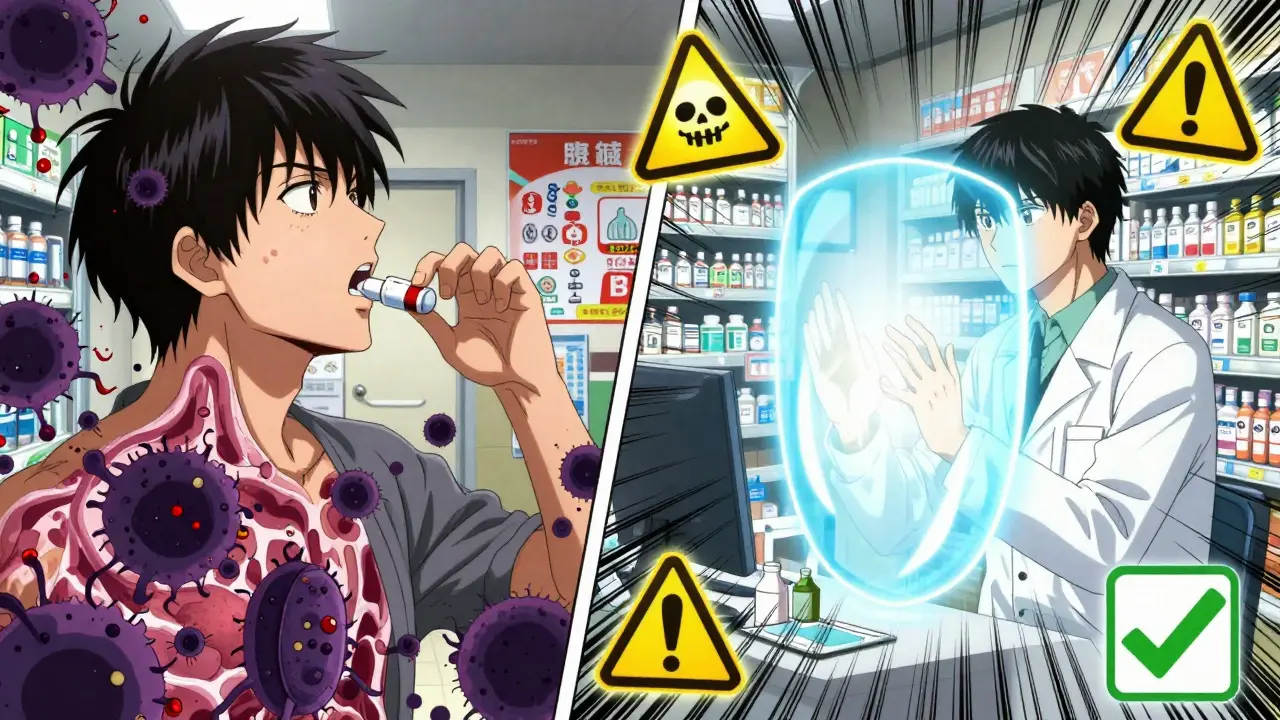
- Life-threatening risks: Epinephrine (EpiPen), insulin, nitroglycerin, seizure meds (like phenytoin), and antibiotics. If these fail, you could end up in the ER-or worse. Antibiotics that are weak don’t kill all the bacteria. That leaves behind the toughest strains, which can lead to antibiotic-resistant infections. The CDC says over 35,000 people die each year in the U.S. from these infections.
- Low risk, but still not ideal: Pain relievers like ibuprofen, acetaminophen, and antihistamines. These usually stay effective for years past expiration, especially if stored properly. But if you’re using them for something important-like daily aspirin for heart protection-they need to work. Replace them.
- Never use: Any medication that looks strange. Cloudy liquid, discolored pills, strange smells, or powdery tablets? Toss it. The expiration date isn’t the only warning sign.
If you’re managing a chronic condition-diabetes, heart disease, epilepsy, asthma-your meds need to work perfectly. There’s no room for guesswork. Your pharmacist will tell you straight: if it’s expired, get a new one.
How to Start the Conversation
Walking up to the counter with a bottle of old pills can feel awkward. But pharmacists hear this all the time. They’re trained to help, not judge.
Here’s exactly what to say:
- "I have this medication that expired. Can you tell me if it’s still safe to use?" Start simple. Name the drug and the expiration date.
- "Is this one of the types that becomes dangerous after expiration?" This gets them to clarify risk level. Most don’t. But some do.
- "What kind of medicine is this? Tablet, liquid, or injection?" Formulation matters. Tablets last longer than liquids. Injectables? Don’t risk it.
- "How was it stored?" Tell them if it was kept in a hot car, a humid bathroom, or a cool, dark drawer. That helps them judge.
- "I’m out of refills. Can I use this temporarily until I get a new prescription?" For non-critical issues-like a headache or mild allergy-they might say yes. For anything serious? They’ll say no.
- "What are the risks for my condition?" If you have high blood pressure, asthma, or depression, potency matters. Ask how reduced strength could affect you.
Pharmacists don’t just give answers-they help you avoid future problems. They might suggest a smaller refill, a generic alternative, or even connect you with a patient assistance program if cost is an issue.
What Your Pharmacist Won’t Tell You (But Should)
Most people assume expiration dates are like milk cartons-past the date, it’s bad. But it’s more like a battery. It slowly loses charge.
Here’s what you need to know:
- Pharmacy-repackaged meds (like those in a blister pack from your local pharmacy) often have a one-year expiration from when they were filled-even if the original bottle says 2027.
- Color-coded stickers on bottles? Some pharmacies use them to mark expiration years (green = 2024, blue = 2025). Ask if yours does.
- Medications stored in their original containers, away from heat and light, last longer. Don’t transfer pills to pill organizers unless you’re using them within a week or two.
- Some drugs, like tetracycline, can become toxic after expiration. Rare, but real.
And here’s the biggest myth: "If I took it and felt fine, it must be okay." That’s dangerous thinking. If you took expired antibiotics and your fever went down, you might’ve just gotten lucky. The infection could still be lurking, and now it’s stronger.
What to Do With Expired Meds
Don’t flush them. Don’t toss them in the trash with the label still readable. Don’t give them to a friend.
The safest way? Take them back.
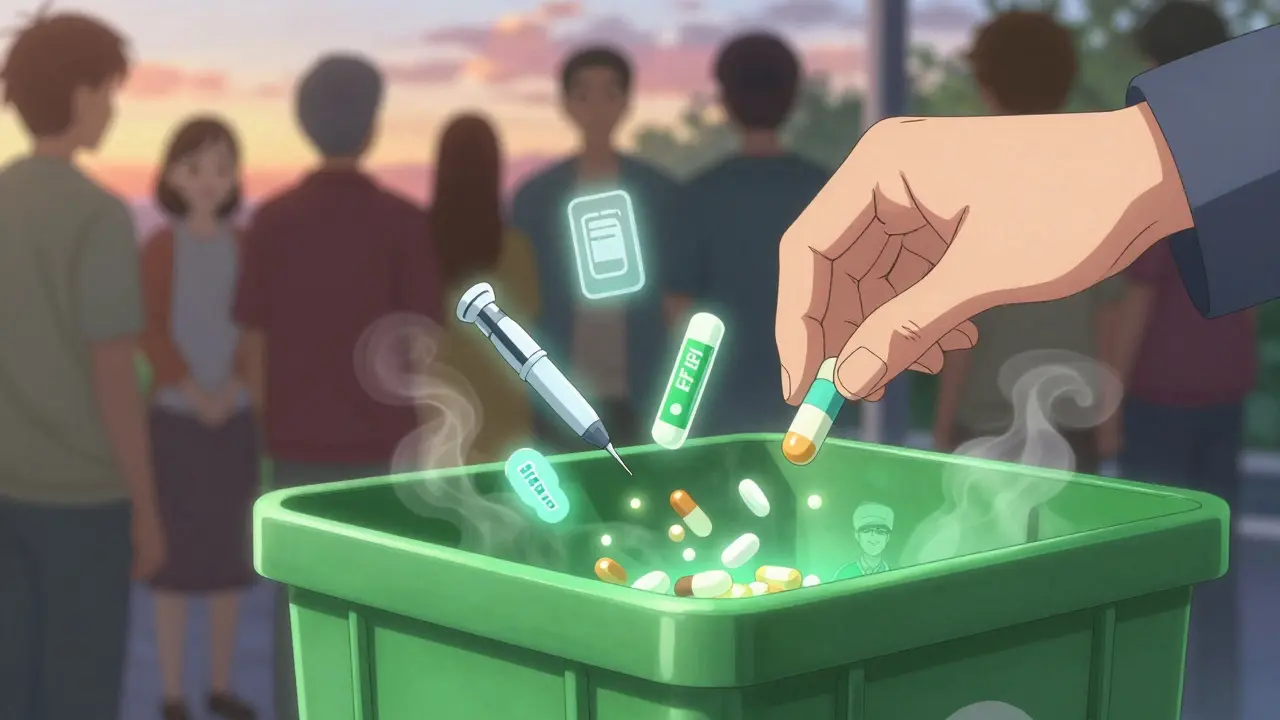
In the UK, most pharmacies-like Boots and Superdrug-offer free take-back bins for expired or unwanted meds. You don’t need a receipt. Just drop them in. These are collected and destroyed safely, so they don’t pollute water or fall into the wrong hands.
If there’s no drop-off nearby:
- Remove pills from the bottle.
- Mix them with something unappetizing-used coffee grounds, cat litter, or dirt.
- Put them in a sealed bag or container.
- Scratch out your name and prescription number on the bottle with a permanent marker.
- Throw the container in the trash.
And always recycle the empty bottle if your local recycling program accepts it.
How to Avoid This Problem Next Time
The best way to deal with expired meds? Don’t let them expire.
- Check your medicine cabinet every 3 months. Pull out anything close to expiration.
- Use the "first in, first out" rule: Put new bottles at the back, older ones in front.
- Refill prescriptions before you run out. Don’t wait until you’re sick.
- Ask your pharmacist about smaller quantities if you don’t use a drug often. No need to buy 90 pills if you only need 30.
- Keep a list of your meds with expiration dates in your phone or wallet. Set a reminder 2 weeks before each one runs out.
Pharmacists say the most common reason people use expired meds? They ran out and couldn’t afford a refill. If that’s you, ask about patient assistance programs. Many drugmakers offer free or low-cost meds to those who qualify. Your pharmacist can help you apply.
What If You Already Took an Expired Pill?
If you accidentally took an expired ibuprofen and your headache didn’t go away? You probably just needed a stronger dose. Take a new one and move on.
If you took expired insulin and your blood sugar is high? Call your doctor. If you took expired antibiotics and your infection is worse? Go to your pharmacist or GP immediately. You might need a different antibiotic.
If you’re unsure? Call your pharmacist. They’ll ask you what you took, when, and how you’re feeling. They’ve seen it all. No shame. No judgment. Just help.
Is it safe to take expired painkillers like ibuprofen or paracetamol?
For most people, expired ibuprofen or paracetamol (acetaminophen) are safe to take if they’ve been stored properly and are only a few months past the date. They usually retain most of their strength. But if you’re using them for something important-like daily low-dose aspirin for heart health-replace them immediately. Never use them if they look discolored, smell strange, or have changed texture.
Can expired antibiotics make me sicker?
Yes. Expired antibiotics may not kill all the bacteria, leaving behind the strongest strains. This can lead to antibiotic-resistant infections, which are harder to treat and can be deadly. If you took expired antibiotics and your symptoms didn’t improve-or got worse-you need to see a doctor right away. Don’t try to finish the course.
Why do expiration dates exist if many drugs still work after?
Expiration dates are based on manufacturer testing to guarantee full potency and safety up to that date. After that, no testing is required. While many drugs remain effective beyond the date, there’s no way to know for sure without lab testing. The date is there to protect you-not to force you to buy more.
Can I use expired EpiPen or insulin in an emergency?
Never. Epinephrine and insulin lose potency quickly after expiration. An expired EpiPen might not stop a life-threatening allergic reaction. Expired insulin can cause dangerously high blood sugar. If you’re out of either, call 999 or go to A&E. Don’t risk it. Keep backups on hand.
Where can I safely dispose of expired medications in the UK?
Most pharmacies in the UK, including Boots, Superdrug, and independent pharmacies, have free take-back bins for expired or unwanted medicines. You can drop them off anytime-no receipt needed. If your local pharmacy doesn’t have one, check with your local council for household hazardous waste collection days. Never flush pills down the toilet.
Final Thought: Your Pharmacist Is Your Best Ally
You don’t need to feel embarrassed about having expired meds. It happens to everyone. What matters is what you do next. Talking to your pharmacist isn’t about admitting a mistake-it’s about making a smart choice. They’re not there to scold you. They’re there to keep you safe.
Next time you find an old pill bottle, don’t toss it. Don’t swallow it. Walk into your pharmacy. Ask. They’ll tell you exactly what to do-and how to avoid it next time.

Alana Koerts
December 20 2025Expired meds? Please. I've been taking my grandma's 10-year-old ibuprofen since college. Still works. The FDA is just profit-driven. You think they care about you? Nah. They care about new prescriptions.
pascal pantel
December 21 2025The Shelf Life Extension Program data is misleading. 88% efficacy doesn't mean therapeutic equivalence. Pharmacokinetic stability ≠ bioavailability. You're playing Russian roulette with subtherapeutic dosing, especially with antibiotics. The CDC stats on AMR aren't hyperbole-they're baseline.
Chris Clark
December 22 2025I live in a small town and my pharmacist is like family. Last month I walked in with an expired EpiPen and she didn't judge. Just handed me a free sample and said 'next time call us before you panic.' Honestly? That's why we need more pharmacists like her. Not just pill pushers.
William Storrs
December 22 2025You got this. It's not about being perfect-it's about being smart. Talking to your pharmacist is a win. They're the unsung heroes of healthcare. Don't wait until you're sick to ask. Just walk in. Say 'I need help.' That's courage.
Dominic Suyo
December 23 2025Let’s be real-pharmacies in the UK have take-back bins because they’re not run by greedy corporate zombies like in the US. Here, you get charged $12 for a 30-day supply of generic lisinopril while the manufacturer makes $200 million. Expired meds? More like expired capitalism.
Kevin Motta Top
December 23 2025Don’t store meds in the bathroom. Heat and moisture ruin everything. Kitchen cabinet, drawer, cool and dry. Simple.
Alisa Silvia Bila
December 24 2025I used to hoard old pills until my mom got sick and needed her meds to work. Now I check every 3 months. It’s not about being perfect-it’s about being responsible. And yeah, pharmacists are way nicer than you think.
William Liu
December 25 2025I always ask my pharmacist about alternatives when I’m low on cash. Last time they hooked me up with a free 30-day supply through a patient program. No shame in asking. They’ve got your back.
jessica .
December 25 2025The FDA and Big Pharma are in cahoots. Expired meds are safe. They just want you to keep buying. They even put chemicals in pills to make them degrade faster. I read it on a forum. My cousin’s uncle works at Pfizer. He said it’s true.
Ryan van Leent
December 27 2025You people are so dramatic. I took expired antibiotics last year and lived. Everyone’s acting like it’s a crime. You think your life is so fragile? Grow up. Stop being so scared of everything
Mike Rengifo
December 28 2025I keep a little notebook in my wallet with all my meds and their expiry dates. Set a phone reminder for two weeks before. Works like a charm. No more panic buys. No more guilt. Just… organized.
Allison Pannabekcer
December 30 2025I used to feel weird asking my pharmacist about expired stuff. Then I realized they’ve seen it all. The guy behind the counter once told me he once helped a veteran reuse a 7-year-old insulin pen because he couldn’t afford a new one. Said he monitored his blood sugar every 2 hours until he got help. That’s why I always say thank you now. They’re not just workers-they’re lifelines.