

The Three Generations of Beta-Blockers
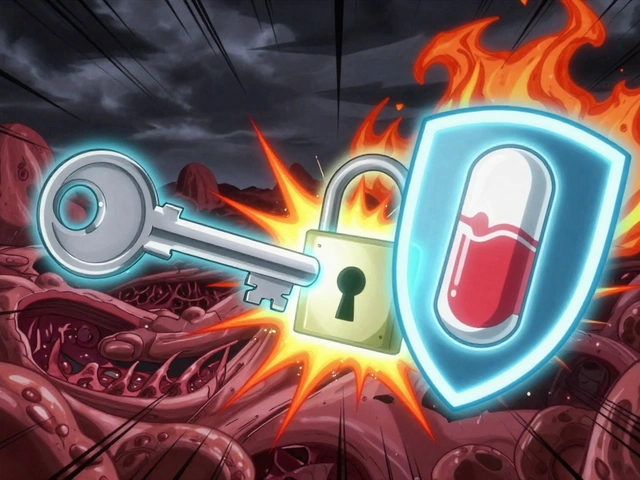
Not all beta-blockers work the same way because our bodies have different types of beta receptors. Think of these receptors as locks; some drugs fit only one lock, while others fit several. This distinction is why doctors categorize these drugs into three generations.First-generation drugs are nonselective. They block both beta-1 receptors (mostly in the heart) and beta-2 receptors (found in the lungs and blood vessels). Propranolol is the classic example here. Because it hits those beta-2 receptors in the lungs, it can cause the airways to tighten, which is why you won't see a doctor prescribe this to someone with severe asthma.
Second-generation drugs are cardioselective. They are designed to be much more precise, targeting the beta-1 receptors in the heart while mostly leaving the lungs alone. Common examples include Metoprolol, Atenolol, and Bisoprolol. These are generally safer for people with reactive airway diseases, though they can still cause issues at very high doses.
Third-generation agents are the modern "multi-taskers." They don't just block receptors; they add extra benefits like widening the blood vessels (vasodilation). For instance, Carvedilol blocks alpha-1 receptors to lower peripheral resistance, while Nebivolol stimulates nitric oxide production to relax arteries. This makes them powerhouses for treating heart failure.
| Generation | Selectivity | Key Examples | Main Advantage | Primary Risk |
|---|---|---|---|---|
| 1st Gen | Nonselective (β1 & β2) | Propranolol | Broad use, anxiety, tremors | Bronchospasm (Asthma) |
| 2nd Gen | β1 Selective | Metoprolol, Bisoprolol | Fewer lung side effects | Heart rate drops too low |
| 3rd Gen | Vasodilatory | Carvedilol, Nebivolol | Best for heart failure mortality | Initial hypotension |
How They Actually Change Your Heart's Behavior
To understand why these drugs work, you have to look at the molecular level. In a normal heart, beta-1 receptors activate a protein called Gs alpha, which increases cyclic AMP (cAMP). This leads to a surge of calcium ions inside the heart cells. More calcium equals a stronger, faster beat. When a beta-blocker plugs that receptor, it stops the calcium surge. This results in several key changes:- Reduced Chronotropy: Your heart rate slows down.
- Reduced Inotropy: The heart muscle doesn't squeeze as violently, which lowers oxygen demand.
- Improved Lusitropy: The heart has more time to relax and fill with blood between beats.
- Lower Renin: They reduce renin release by about 25-30%, which helps lower blood pressure over time.

Critical Interactions and Patient Safety
One of the most dangerous things you can do with a beta-blocker is stop taking it suddenly. The FDA has warned that abrupt discontinuation can increase the risk of a heart attack by 300% in the first 48 hours. This happens because your receptors have "upregulated"-basically, your heart has created more locks because they were all plugged. When you suddenly remove the drug, the heart is flooded with adrenaline, leading to a dangerous spike in heart rate and blood pressure. There are also significant drug-drug interactions to watch for. If you are on a nonselective beta-blocker like propranolol, using a beta-2 agonist inhaler (like Albuterol) for asthma is often a waste of time. The medication in your lungs blocks the rescue inhaler from working, reducing its efficacy by as much as 40-50%. Another interaction happens with calcium channel blockers. Combining beta-blockers with certain heart-slowing calcium blockers (like Verapamil) can lead to severe bradycardia, where the heart rate drops to a level that can cause fainting or cardiac arrest.Tailoring the Drug to the Individual
Not every patient reacts the same way. In the real world, the "side effect profile" often determines which drug a person stays on. For example, many users of metoprolol report feeling fatigued or having cold hands and feet (due to reduced peripheral circulation). Interestingly, some third-generation drugs offer quality-of-life improvements. A significant number of men over 50 have found that Nebivolol is much friendlier regarding sexual function-specifically erectile dysfunction-compared to older generations. This is likely due to its ability to increase nitric oxide, which relaxes blood vessels throughout the body, not just in the heart. For those with heart failure, the titration process is the biggest hurdle. You can't just jump to a full dose of carvedilol; you'd likely crash your blood pressure. Doctors typically start at a tiny dose (3.125 mg) and slowly increase it over 8 to 16 weeks. This slow ramp-up is essential for the body to adapt and actually achieve the 35% mortality reduction seen in major clinical trials.
The Future of Heart Rate Management
We are moving away from a "one size fits all" approach. We're seeing the rise of combination therapies, like nebivolol paired with valsartan, to hit blood pressure from two different angles. There is even research into gene expression-guided selection, which would allow doctors to look at your DNA to predict which beta-blocker you'll tolerate best. Newer approvals, like the beta-3 agonist/beta-1 blocker combinations, are targeting heart failure with preserved ejection fraction (HFpEF)-a condition that was historically very hard to treat. These new developments suggest that while the basic concept of blocking adrenaline is old, the precision with which we do it is getting much sharper.Can I take beta-blockers if I have asthma?
It is risky. Nonselective beta-blockers (like propranolol) can cause bronchospasms by blocking beta-2 receptors in the lungs. If a beta-blocker is absolutely necessary, doctors typically use "cardioselective" beta-1 blockers (like metoprolol or bisoprolol), which have a lower affinity for lung receptors, though caution is still required.
Why do I feel so tired on these medications?
Fatigue is a common side effect because beta-blockers limit how much your heart rate can increase during activity. When you move or exercise, your heart can't "rev up" as easily as it used to, which can leave you feeling sluggish or winded more quickly.
What is the difference between Metoprolol Tartrate and Metoprolol Succinate?
The main difference is how they are released into your system. Metoprolol Tartrate is immediate-release and usually needs to be taken twice a day. Metoprolol Succinate is an extended-release version that provides a steady dose over 24 hours and is typically taken once daily.
Are third-generation beta-blockers better for heart failure?
Generally, yes. Because drugs like carvedilol and nebivolol provide vasodilation (widening of the blood vessels), they reduce the workload on the heart more effectively than older versions. Clinical data shows they can significantly reduce mortality rates in heart failure patients compared to placebos or some older blockers.
What should I do if I miss a dose?
You should generally take the missed dose as soon as you remember, unless it is almost time for your next dose. However, you must never take a double dose to make up for a missed one. If you miss several doses, contact your doctor immediately, as abrupt cessation can cause a dangerous spike in blood pressure.
Goodwin Colangelo
April 4 2026Good breakdown. One thing to keep in mind for anyone starting these is that the fatigue usually levels off after a few weeks as your body adjusts. Just keep moving and stay hydrated, it gets easier.
sophia alex
April 5 2026Finally, some actual medical info that isn't written by some third-world bot! 🙄 USA has the best healthcare system and it shows in the way we categorize these drugs. Absolutely superior science here! 🇺🇸✨
Rachelle Z
April 5 2026Oh wow... a table!!! So helpful... I'm just so amazed that someone figured out how to make a list... 🙄🙄💅
HARSH GUSANI
April 7 2026Why you talk about US drugs only? India makes best generic medicines for whole world 🇮🇳🇮🇳 Cheap and best! You are ignoring the real heroes of pharma 😡🔥
Branden Prunica
April 8 2026I literally almost died when I stopped my meds cold turkey! It was a total nightmare! My heart was pounding out of my chest and I thought the world was ending! Absolute chaos!
Beth LeCours
April 8 2026too long didn't read
Vicki Marinker
April 10 2026The claim regarding Nebivolol and sexual function is marginally supported by a handful of studies, but it is far from a universal truth. Most patients simply find the side effects of all beta-blockers intolerable regardless of the generation.
angel sharma
April 11 2026You all need to stay positive and push through the fatigue because once you get that dosage right, you are going to feel like a brand new person with a heart that is finally working in harmony with your goals! Keep grinding and keep fighting for your health because the reward of a long life is worth every single tiny dose of those meds during the titration phase!
Sam Hayes
April 12 2026just a quick tip for the cold hands and feet thing try wearing wool socks or using a heating pad while you are adjusting to the med it really helps with the peripheral circulation issues mentioned
Hope Azzaratta-Rubyhawk
April 13 2026It is absolutely imperative that you follow the titration schedule with unwavering discipline! You must be aggressive about your health and demand the best care from your doctors to ensure your heart reaches maximum efficiency immediately!