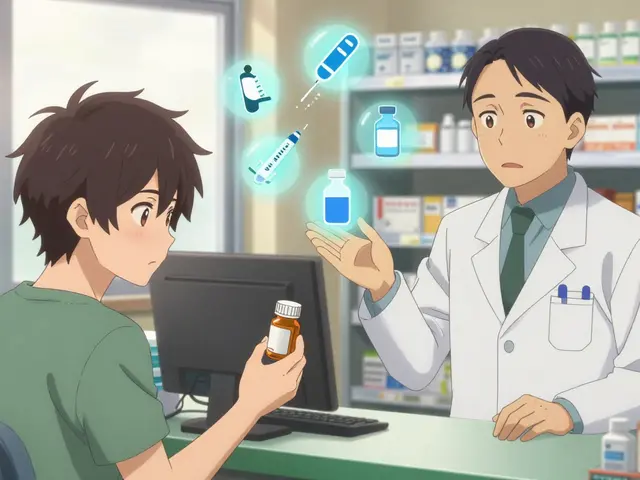
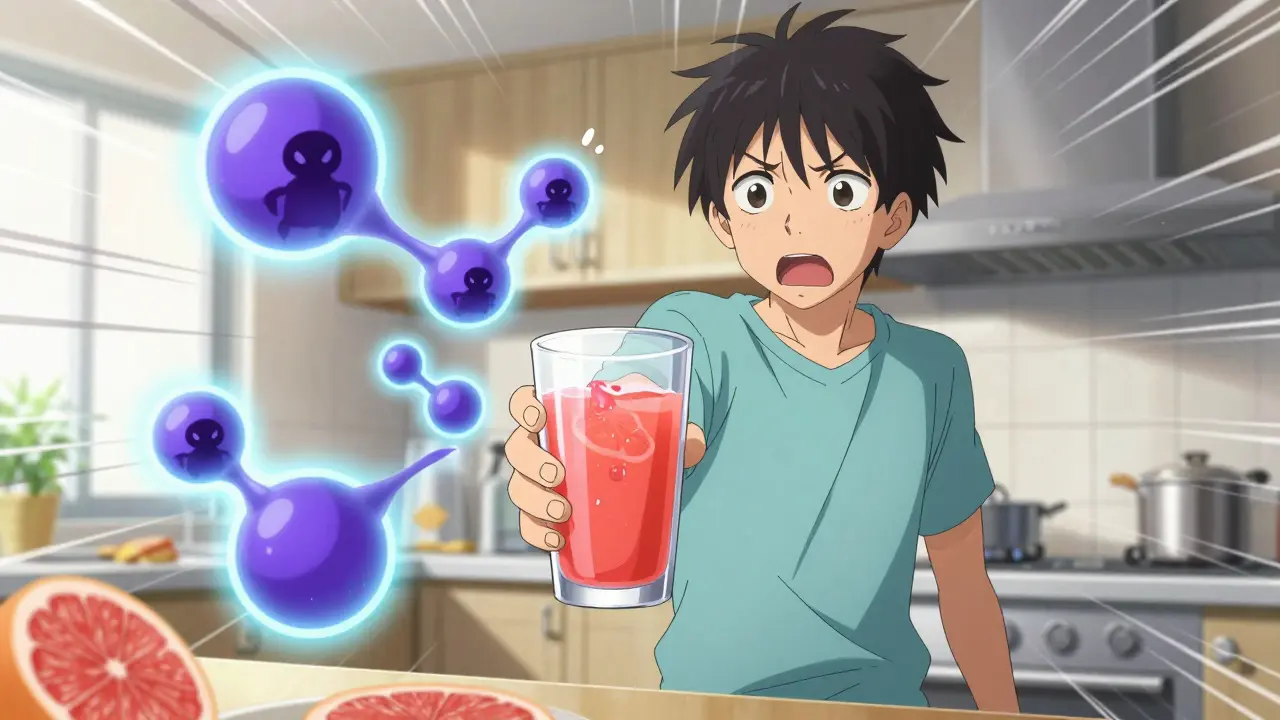
That morning glass of grapefruit juice is a popular breakfast beverage rich in vitamin C but known to interfere with the metabolism of many prescription drugs might be doing more harm than good. It sounds like an old wives' tale, right? Just skip it for an hour after your pill and you're fine. But that’s exactly where the danger lies. Unlike alcohol or food that sits in your stomach, this interaction happens deep inside your intestines, and once triggered, it doesn't just go away when you finish drinking.
In 1989, researchers at the University of Western Ontario stumbled upon a shocking discovery. They found that patients taking felodipine, a blood pressure medication, had dangerously high levels of the drug in their blood simply because they drank grapefruit juice. This wasn't a minor fluctuation; it was a massive spike that could lead to hospitalization. Since then, we’ve learned that this isn't just about one drug. It’s a widespread biochemical clash that affects hundreds of medications.
The Biochemical Mechanism: Why Grapefruit Is Different
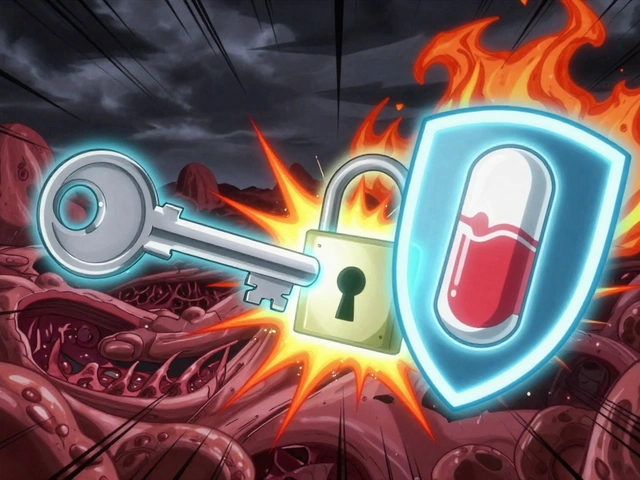
To understand why this fruit is so tricky, you have to look at how your body processes medicine. Most oral drugs don't enter your bloodstream directly. First, they pass through your liver and your small intestine, where enzymes act like security guards, breaking down the chemicals before they can do their job. The main bouncer here is an enzyme called CYP3A4 is a cytochrome P450 enzyme located in the liver and intestines responsible for metabolizing approximately 50% of all prescribed medications.
Grapefruit contains compounds called furanocoumarins-specifically bergamottin and 6',7'-dihydroxybergamottin. These compounds are toxic to the CYP3A4 enzyme. When they meet, the furanocoumarins essentially kill the enzyme cells in your intestinal wall. Here is the critical part: this inhibition is irreversible. Your body has to grow brand-new enzyme cells to replace the dead ones. That process takes time.
Clinical studies published in *Clinical Pharmacology & Therapeutics* show that a single 200-milliliter glass of grapefruit juice can inhibit these enzymes by nearly half within four hours. The effect peaks at 24 hours and can last up to 72 hours. This means separating your drink from your pill by two hours won't help. The damage to your metabolic pathway is already done and will persist for days.
High-Risk Medication Categories
Not every drug reacts this way, but the list of offenders is long. As of recent FDA updates, over 85 prescription medications carry warnings about this interaction. Some cause mild side effects; others can be fatal. Let's break down the most common culprits.
| Medication Class | Example Drugs | Interaction Severity | Potential Consequence |
|---|---|---|---|
| Statins (Cholesterol) | Simvastatin (Zocor), Atorvastatin (Lipitor) | High to Very High | Muscle damage (rhabdomyolysis), kidney failure |
| Calcium Channel Blockers | Felodipine (Plendil), Nifedipine (Procardia) | Very High | Dangerously low blood pressure, dizziness, fainting |
| Immunosuppressants | Cyclosporine (Neoral), Tacrolimus | Severe | Organ rejection risk or drug toxicity/nephrotoxicity |
| Antiarrhythmics | Amiodarone (Cordarone) | Moderate to High | Fatal heart rhythm disturbances |
| Antihistamines | Fexofenadine (Allegra) | Moderate | Reduced effectiveness of allergy relief |
Statins deserve special attention. For drugs like simvastatin, drinking grapefruit juice daily can triple the amount of drug in your blood. A study in the *Canadian Medical Association Journal* linked this combination to a tenfold increase in the risk of rhabdomyolysis-a condition where muscle tissue breaks down and releases harmful proteins into the blood, potentially causing acute kidney failure. Interestingly, not all statins react this way. Pravastatin and rosuvastatin bypass the CYP3A4 pathway mostly, making them safer alternatives for grapefruit lovers.
Then there are immunosuppressants used by transplant patients. Cyclosporine exposure can jump by 50-60% with just one glass of juice. For someone relying on precise dosing to prevent organ rejection, this variability is terrifying. On the flip side, some drugs like trazodone (an antidepressant) or zolpidem (Ambien) show little to no significant interaction, proving that context matters immensely.
Myths vs. Reality: Timing and Quantity
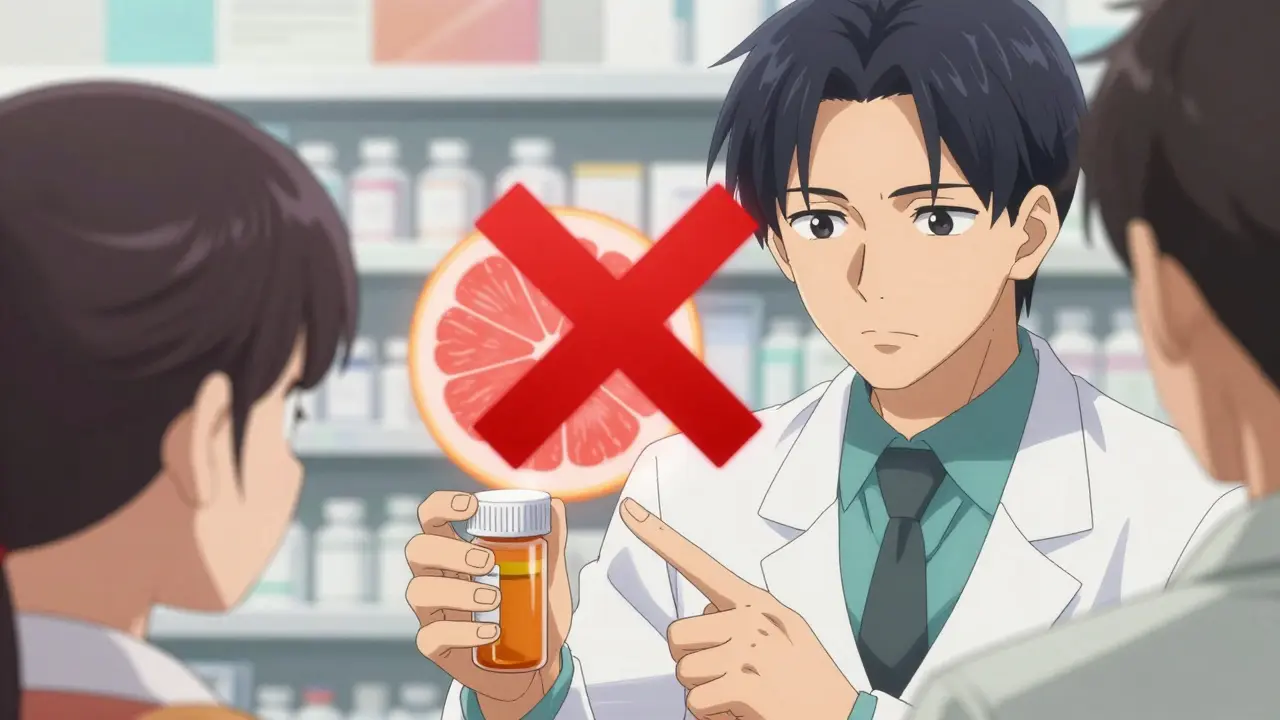
Many patients ask, "If I wait three hours between my pill and my juice, am I safe?" The answer is almost certainly no. Because the enzyme destruction is irreversible, the window of vulnerability lasts for 24 to 72 hours. The U.S. Food and Drug Administration (FDA) explicitly states that patients must avoid consuming grapefruit for the entire period they are on the medication.
Another myth involves quantity. You might think a splash in a smoothie is harmless. However, individual susceptibility varies wildly. In one pharmacotherapy study, systemic drug concentrations ranged from zero increase to an eight-fold increase among different people drinking the same amount of juice. We cannot currently measure your baseline CYP3A4 expression in a standard clinic visit, so guessing your personal tolerance is a dangerous game.
Variety also plays a role. White grapefruits tend to contain higher levels of furanocoumarins than red varieties. Fresh-squeezed juice packs a bigger punch than pasteurized bottled versions, though both pose risks. Even grapefruit supplements or essential oils containing these compounds can trigger the interaction.

Safe Alternatives and Citrus Confusion
If you love citrus, you don't have to give it all up. The bad news is that Seville oranges-the bitter kind often used in traditional marmalades-and pomelos contain similar furanocoumarins. If you eat a bowl of Seville orange marmalade with your toast, you might be triggering the same reaction as grapefruit juice.
The good news? Sweet oranges, lemons, limes, and tangerines are generally safe. They do not contain the specific furanocoumarins that inhibit CYP3A4. So, swapping your morning grapefruit juice for fresh orange juice or lemon water is a simple, effective fix that keeps your vitamin C intake high without messing with your meds.
For those on critical medications like simvastatin or cyclosporine, doctors may recommend switching to alternative drugs that don't rely on the CYP3A4 pathway. For example, switching from simvastatin to pravastatin eliminates the interaction risk entirely. Always consult your pharmacist or doctor before making any changes to your prescription regimen.
Practical Steps for Patients
Managing this interaction comes down to awareness and communication. Here is what you should do today:
- Audit your medications: Look at your prescription labels. Since 2014, the FDA has required manufacturers to include specific warnings about grapefruit interactions on prescribing information. Check for phrases like "avoid grapefruit" or "do not take with grapefruit juice."
- Talk to your pharmacist: Pharmacists are the frontline experts in drug interactions. A 2021 study found that nearly 90% of community pharmacists routinely screen for these issues. Ask them specifically: "Does any of my current medication interact with grapefruit or Seville oranges?"
- Check supplements: Don't forget over-the-counter products and herbal supplements. Some antihistamines and sleep aids can also be affected.
- Read ingredient lists: If you buy processed foods, check for grapefruit extract or Seville orange juice concentrate, which can hide in energy drinks, desserts, or savory sauces.
Regulatory bodies are tightening the rules. The European Medicines Agency now requires specific interaction assessments for new oral medications metabolized by CYP3A4. Meanwhile, scientists at the USDA are using CRISPR technology to develop grapefruit varieties with 90% reduced furanocoumarin content. While these 'safe' grapes might hit shelves in the future, until then, the safest bet is total avoidance if you are on high-risk meds.
How long does the grapefruit interaction last?
The interaction can last anywhere from 24 to 72 hours after consumption. This is because the furanocoumarins in grapefruit irreversibly destroy the CYP3A4 enzymes in your intestine, and your body needs several days to regenerate new enzyme cells. Waiting a few hours between your medication and your juice is not sufficient to avoid the interaction.
Are all citrus fruits unsafe with medications?
No. Only grapefruit, Seville oranges (often used in marmalades), and pomelos contain the furanocoumarins that cause these interactions. Sweet oranges, lemons, limes, and tangerines are generally considered safe to consume with medications, as they do not significantly inhibit the CYP3A4 enzyme.
Can dried grapefruit or supplements cause interactions?
Yes. Dried grapefruit, grapefruit seed extracts, and dietary supplements containing grapefruit components still retain the furanocoumarins responsible for the interaction. Even small amounts can inhibit enzyme activity, so these forms should also be avoided if you are taking sensitive medications.
Why does grapefruit affect some statins but not others?
It depends on how the specific statin is metabolized. Simvastatin and atorvastatin are heavily processed by the CYP3A4 enzyme, making them highly susceptible to grapefruit interference. Pravastatin and rosuvastatin use different metabolic pathways that are not blocked by furanocoumarins, making them safer options for regular grapefruit consumers.
Is the interaction dangerous for everyone?
Individual susceptibility varies greatly due to genetic differences in enzyme production. Some people may experience only mild effects, while others could face life-threatening toxicity from the same amount of juice. Because there is no routine clinical test to predict your personal risk level, healthcare providers recommend complete avoidance for anyone taking high-risk medications.