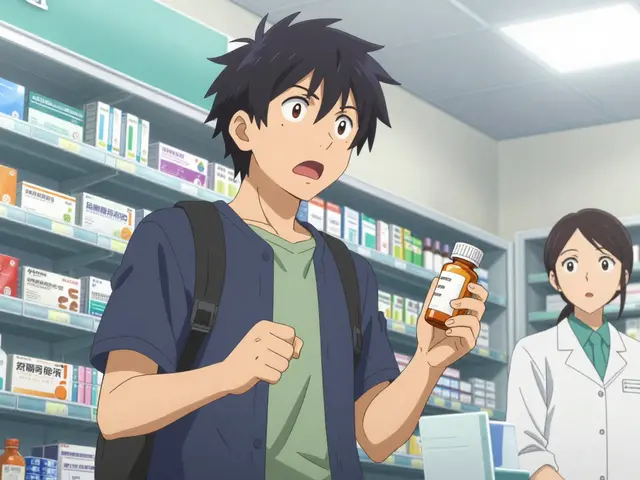
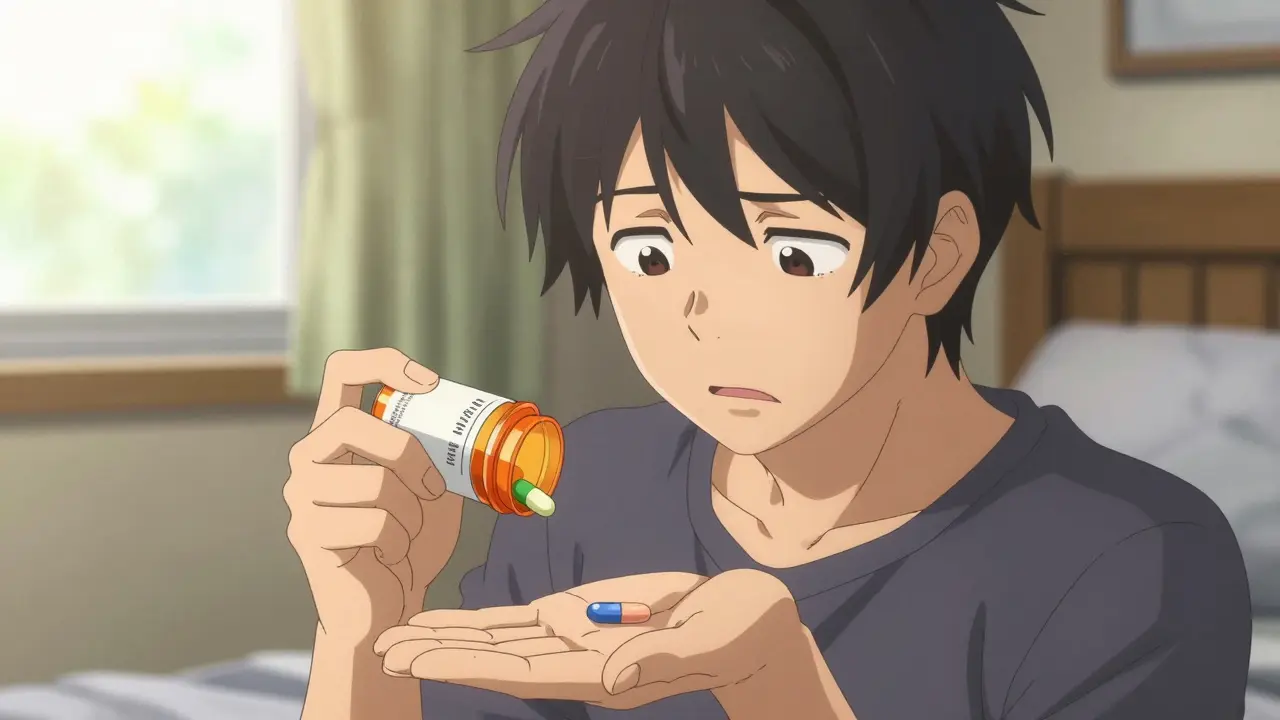
Imagine your morning routine changes because the pill in your bottle looks different. It’s smaller, a different color, maybe even a different shape. You take it anyway, but that nagging question stays with you: Will this still work? This is the reality for millions of people when their pharmacist substitutes a brand-name drug with its generic equivalent. While the active ingredient is legally required to be identical, the experience of switching isn’t always seamless.
If you are making the switch-or if your insurance just forced you to-here is exactly what happens behind the scenes, why some medications behave differently than others, and how to protect your health during the transition.
The Science Behind the Switch
To understand whether you should worry, you first need to know what a generic drug actually is. By law, specifically under regulations enforced by agencies like the U.S. Food and Drug Administration (FDA), a generic must contain the exact same active ingredient as the brand-name version. It must also have the same strength, safety profile, and quality standards.
The critical metric here is bioequivalence. This means the generic delivers the same amount of active ingredient into your bloodstream at the same speed as the brand name. The FDA requires that pharmacokinetic parameters fall within an 80-125% confidence interval compared to the original. For most drugs, this tiny window makes no practical difference in how you feel or how well the medicine works.
However, trademark laws prevent generics from looking identical to the brand. They can differ in size, shape, color, and inactive ingredients like fillers, binders, or preservatives. For most people, these inactive components do nothing. But for those with specific sensitivities, they can cause mild stomach upset or allergic reactions. If you notice new side effects after a switch, the filler might be the culprit, not the active drug itself.
When Switching Is Risky: Narrow Therapeutic Index Drugs
Not all medications are created equal when it comes to substitution. The biggest concern lies with Narrow Therapeutic Index (NTI) drugs. These are medications where a small change in blood concentration can lead to serious health consequences or treatment failure.
- Anti-seizure medications: Drugs like phenytoin or carbamazepine require precise levels in the blood to prevent seizures. Studies have shown that switching between brands and generics, or even between different generic manufacturers, can alter seizure frequency in sensitive patients.
- Thyroid hormones: Levothyroxine is a classic example. Patients often report significant changes in TSH levels when switched from Synthroid (brand) to generic levothyroxine. One patient reported their TSH jumping from 2.5 to 8.7 in just six weeks after such a switch.
- Blood thinners: Warfarin requires careful monitoring. Fluctuations in absorption due to different inactive ingredients can make dosing unpredictable.
- Immunosuppressants: Medications used after organ transplants must maintain steady levels to prevent rejection.
If you are taking any of these, do not assume automatic substitution is safe. Talk to your doctor about keeping the same manufacturer or staying on the brand name if your body has stabilized on it.

The Cost Factor: Why Your Insurance Insists
You might be wondering why your pharmacy suddenly handed you a different pill. In many cases, it’s not a medical decision-it’s a financial one. Generic drugs are significantly cheaper to produce because manufacturers don’t have to repeat expensive clinical trials.
The savings are massive. According to data from the Association for Accessible Medicines, copays for generic drugs are often under $20, while brand-name copays frequently exceed that threshold. In fact, new patient medication abandonment rates are 266% higher for brand-name drugs simply because people can’t afford them. On a national scale, increased use of generics could save billions in healthcare spending.
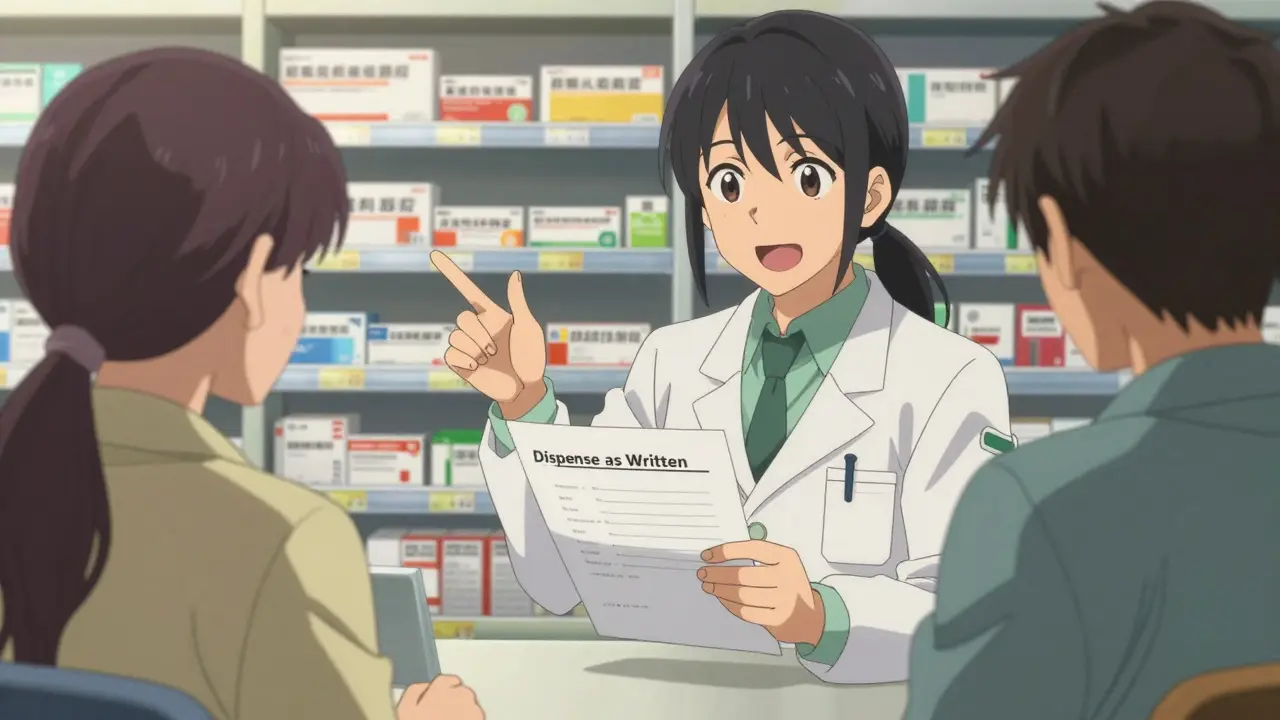
Your insurance plan likely has a formulary that incentivizes or mandates generic use. Unless your doctor specifies "dispense as written," the pharmacist will automatically substitute the generic to keep your costs down. This policy exists to make healthcare sustainable, but it puts the burden of adaptation on you.
What to Expect During the Transition
When you start taking the generic, monitor your body closely for the first few weeks. Most people experience zero difference. However, some report subtle changes.
- Physical appearance: Don’t panic if the pill looks different. Check the label to ensure it’s the correct dosage and medication name. Pharmacies sometimes add stickers to bottles alerting you to appearance changes.
- Digestive comfort: If you experience new nausea or bloating, it may be due to different binders or dyes. Try taking the medication with food to see if it helps.
- Efficacy check: For chronic conditions, track your symptoms. If you take blood pressure medication, monitor your readings. If you take antidepressants, note any return of anxiety or mood swings.
If you feel the generic isn’t working, don’t stop taking it abruptly. Contact your healthcare provider. They may order blood tests to check drug levels or write a new prescription specifying the brand name. Some insurers will cover the brand if you provide documentation of "therapeutic failure" with the generic.
Manufacturer Variability and Frequent Switches
A lesser-known issue is that generic drugs come from various manufacturers. One month, your pharmacy might stock a generic made by Company A. The next month, due to supply chain issues or price bidding, they might switch to Company B. Both are FDA-approved, but their inactive ingredients may differ.
Research from Saudi Arabia’s healthcare system showed that over 25% of formulary medications were switched between generics and brands over five years due to procurement bidding. This frequent switching can confuse patients and increase the risk of medication errors. If you notice your pills changing frequently, ask your pharmacist if they can stick to one manufacturer for consistency. Some pharmacies offer loyalty programs or bulk purchasing agreements that allow them to maintain a consistent supplier.
| Feature | Brand-Name Drug | Generic Drug |
|---|---|---|
| Active Ingredient | Identical | Identical |
| Cost | Higher (often 10x more) | Lower (saves billions annually) |
| Appearance | Consistent shape/color | Varies by manufacturer |
| Inactive Ingredients | Specific formulation | May vary (fillers/dyes) |
| Bioequivalence | N/A (Reference standard) | Must match brand (80-125%) |
How to Advocate for Yourself
You have rights as a patient. If you believe the generic is causing issues, you can request a "dispense as written" prescription. Your doctor can mark this on the script, preventing automatic substitution. Be prepared to explain why-citing specific side effects or past experiences with therapeutic failure strengthens your case.
Education is key. Many fears stem from misinformation. Understanding that the FDA rigorously tests generics can reduce anxiety. However, trusting your own body is equally important. If something feels wrong, it deserves attention. Keep a log of your symptoms before and after the switch. This data helps your doctor make informed decisions rather than guessing.
Finally, communicate openly with your pharmacist. They are medication experts who can explain which inactive ingredients are in your specific batch. If you have allergies to certain dyes or lactose, tell them upfront. They can often source a generic from a manufacturer that avoids those specific fillers.
Is it safe to switch from brand to generic drugs?
For most medications, yes. The FDA ensures generics are bioequivalent to brand names. However, for Narrow Therapeutic Index drugs like anti-seizure meds or thyroid hormones, switching can sometimes affect efficacy. Monitor your symptoms closely and consult your doctor if you notice changes.
Why does my generic pill look different?
Trademark laws prevent generics from looking identical to brand names. Differences in color, shape, and size are normal. The active ingredient remains the same. If the appearance change causes confusion, ask your pharmacist to label the bottle clearly.
Can I refuse the generic and stay on the brand?
Yes, but it may cost more. Ask your doctor to write "dispense as written" on your prescription. Your insurance might require prior authorization or charge a higher copay. Document any negative experiences with the generic to support your request.
What are Narrow Therapeutic Index (NTI) drugs?
NTI drugs are medications where small changes in blood concentration can cause serious harm or treatment failure. Examples include warfarin, levothyroxine, and certain anti-seizure medications. Extra caution is needed when switching these drugs.
Why do generic drugs cost less?
Generic manufacturers do not need to conduct expensive clinical trials because the drug's safety and efficacy are already established. They only need to prove bioequivalence. This reduces production costs, allowing for lower prices for consumers.
Should I worry about inactive ingredients in generics?
Usually, no. Inactive ingredients like fillers and dyes are generally safe. However, if you have specific allergies or sensitivities, they could cause mild reactions. Tell your pharmacist about any known allergies so they can choose a compatible manufacturer.