
When you pick up a prescription, you might see two names on the bottle: one you recognize from TV ads, and another that looks completely different. You might wonder-is the cheaper one just as good? The answer is yes, in almost every case. Generic drugs aren’t knockoffs. They’re not inferior. They’re the exact same medicine, approved by the FDA, and backed by decades of data.
What Makes a Drug "Generic"?
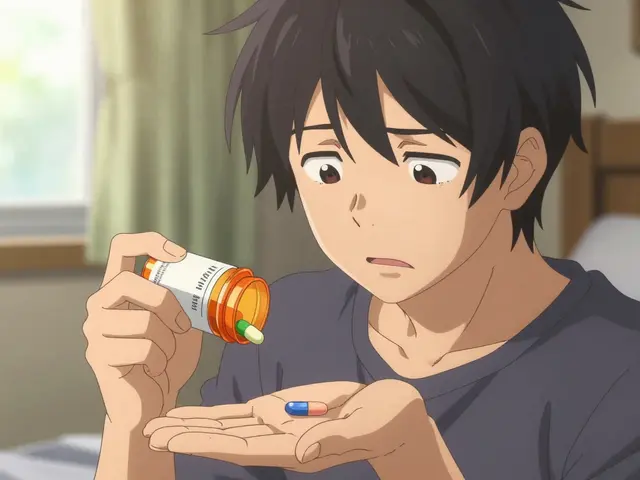
A generic drug has the same active ingredient, strength, dosage form, and route of administration as the brand-name version. That means if you take 10 mg of lisinopril from a generic bottle or a brand-name bottle, your body gets the same molecule, in the same amount, at the same speed. The FDA requires this. It’s not a suggestion-it’s the law. The difference? Everything else. Color, shape, flavor, packaging, and inactive ingredients (like fillers or dyes) can vary. That’s why a generic version of a blue pill might be white and oval. It’s not a different drug. It’s just not allowed to look exactly like the brand, thanks to trademark rules. The approval process for generics is strict. Manufacturers must prove their drug is bioequivalent to the brand. That means the amount of active ingredient entering your bloodstream must be within 80% to 125% of the brand-name drug’s level. For drugs with narrow therapeutic indexes-like warfarin or levothyroxine-the range is even tighter: 90% to 111%. The FDA doesn’t cut corners here.Why Are Generic Drugs So Much Cheaper?
Brand-name drug companies spend billions developing a new medicine. They run clinical trials, pay for FDA reviews, and market the product for years. All that cost gets baked into the price. Once the patent expires-usually 20 years after filing, though often only 12-14 years of market exclusivity-other companies can step in. Generic makers don’t need to repeat expensive trials. They just prove their version works the same way. That cuts development costs by 90%. The result? Generics cost 80-85% less on average. A 2022 University Hospitals analysis found patients save about $313 per prescription when switching to generic. The numbers tell the full story: generics make up 90% of all prescriptions filled in the U.S., but only 25% of total drug spending. Brand-name drugs, which account for just 10% of prescriptions, make up 75% of the cost. That’s because brand-name drugs are priced to recoup R&D and fund future innovation. Generics? They’re priced to be affordable.Are Generic Drugs Safe?
Yes. The FDA holds generics to the same standards as brand-name drugs. They must meet identical requirements for purity, stability, strength, and quality. The same manufacturing rules apply. The same inspections happen. The same monitoring system tracks side effects for both. The FDA says plainly: “All drugs, including brand-name and generic, must work well and are safe.” That’s not marketing. That’s regulatory policy. A 2019 study in JAMA Internal Medicine tracked 38,000 patients taking levothyroxine-both brand and generic-and found no difference in thyroid control or hospital visits. Another study of 1.2 million patients on generic statins showed no increase in heart attacks or strokes compared to brand-name versions. Even experts who are cautious about generics agree. The American Medical Association says doctors should prescribe generics when appropriate to reduce costs without hurting outcomes. Pharmacists at major hospitals like Cedars-Sinai confirm that generics are continually monitored for safety and quality.
When Might You Notice a Difference?
Most people won’t notice any difference. On Reddit’s r/Pharmacy community, over 86% of 147 users reported no change in effectiveness when switching from brand to generic for common drugs like metformin, atorvastatin, and lisinopril. One user saved $400 a month on asthma medication with zero loss of control. But some people do report issues. About 14% of users in online forums mentioned problems-usually with drugs that have a narrow therapeutic index. For example, some patients switching from brand Lamictal to generic lamotrigine reported changes in seizure control. In those rare cases, doctors may recommend sticking with the brand. Consumer Reports’ 2022 survey of 1,247 people found 89% believed generics were as effective. Only 7% said they had occasional issues. The key? Consistency. If you’re on a drug where small changes matter-like thyroid meds, seizure drugs, or blood thinners-sticking with one version (brand or generic) helps avoid fluctuations.What If Your Doctor Prescribes a Brand?
In 49 states, pharmacists are legally required to substitute a generic unless the doctor writes “dispense as written” or “no substitution” on the prescription. That’s not a loophole-it’s a policy designed to save money. If you’re worried, ask your doctor: “Is there a generic available? Should I take it?” Most will say yes. If they don’t, ask why. Is it because of a known sensitivity? Or just habit? Some complex drugs-like inhalers, injectables, or topical creams-don’t have generics yet because they’re harder to copy. The FDA calls these “complex generics,” and there are about 150 opportunities identified for future development. These are the next frontier for cost savings.How to Track Your Medications
Keep a simple list: drug name, dose, brand or generic, and pharmacy. Many people get confused when their prescription switches from brand to generic and back again. Your pharmacy might change suppliers without telling you. That’s normal-but it’s worth noting. Use tools like GoodRx or your pharmacy’s app to compare prices. Sometimes the generic isn’t even the cheapest option. A cash price for a generic might be lower than your insurance copay. Always ask.
What’s Changing in the Generic Drug Market?
The FDA’s Generic Drug User Fee Amendments (GDUFA) III, launched in 2023, aims to cut approval times for generics from 18 months to 10 months by 2027. That means more generics will hit the market faster. The 2022 Inflation Reduction Act includes new rules to speed up competition for high-cost drugs. And by 2028, over 450 brand-name drugs will lose patent protection, opening the door for generics. Still, challenges remain. Some brand companies use “evergreening”-making tiny changes to extend patents. Others delay generic entry by controlling access to samples needed for testing. The 2022 CREATES Act was passed to stop these tactics. Supply chain issues also linger. During the pandemic, 80% of active ingredients for generics came from India and China. That exposed vulnerabilities. The U.S. is now investing more in domestic production, but it’s a slow process.Bottom Line: Choose Generic Unless There’s a Clear Reason Not To
For the vast majority of medications-blood pressure pills, cholesterol drugs, antidepressants, diabetes meds-generic versions are just as safe and effective. They save you money, reduce healthcare costs overall, and don’t compromise your health. The only times you might stick with brand-name are if:- You’ve had a documented reaction to a specific generic formulation
- You’re on a narrow therapeutic index drug and your doctor recommends consistency
- No generic exists yet (about 30% of drugs still lack generics)
Questions About Generic Drugs
Are generic drugs as effective as brand-name drugs?
Yes. Generic drugs must meet the same FDA standards for safety, strength, quality, purity, and effectiveness as brand-name drugs. They contain the same active ingredient and deliver it to your body in the same way. The FDA requires proof of bioequivalence before approval, meaning the drug works the same way in your system.
Why do generic drugs look different from brand-name drugs?
U.S. trademark laws prevent generic drugs from looking identical to brand-name versions. That’s why color, shape, size, or packaging may differ. But the active ingredient-and how it works-is exactly the same. The differences are only in inactive ingredients like dyes or fillers, which don’t affect how the drug works.
Can I switch from a brand-name drug to a generic safely?
For most medications, yes. Over 90% of prescriptions in the U.S. are filled with generics, and studies show no meaningful difference in outcomes. However, for drugs with a narrow therapeutic index-like warfarin, levothyroxine, or certain seizure medications-your doctor may recommend staying on one version to avoid small fluctuations in blood levels. Always talk to your provider before switching.
Why are generic drugs cheaper if they’re the same?
Brand-name drug makers recover billions spent on research, clinical trials, and marketing. Generic manufacturers don’t need to repeat those costs-they only prove their version works the same. That cuts development costs by up to 90%, which translates to savings of 80-85% for consumers. The FDA doesn’t charge extra for generics, and competition among generic makers drives prices even lower.
Do pharmacists have to give me a generic if it’s available?
In 49 states, pharmacists are required by law to substitute a generic drug unless the doctor writes “dispense as written” on the prescription. This is designed to lower costs. If you prefer the brand-name version, you can ask your doctor to restrict substitution. Otherwise, the generic will be dispensed by default.
Are there any drugs that don’t have generic versions?
Yes. About 30% of brand-name drugs still don’t have generic equivalents, usually because they’re still under patent protection or are too complex to manufacture (like biologics, inhalers, or certain injectables). The FDA is working to approve more complex generics, and over 450 brand-name drugs will lose patent protection by 2028, opening the door for new generics.
Can I trust the quality of generic drugs?
Absolutely. The FDA inspects generic drug manufacturing facilities just as often as brand-name ones. The same quality control standards apply. Generics are subject to the same post-market surveillance for side effects and safety issues. In fact, many brand-name companies make their own generics once the patent expires.
Kristi Pope
December 12 2025Generics saved my life when I was on disability. I was paying $600 a month for my blood pressure med until I switched. Now I pay $12. Same pill. Same results. No drama. Just cheaper. I wish more people knew this.
Neelam Kumari
December 13 2025Lmao sure. And I'm sure the filler in your generic Adderall is just *so* identical to the real thing. You people really believe the FDA is your fairy godmother, don't you?
Lisa Stringfellow
December 14 2025Ugh. Another one of these posts. I've been on 3 different generics for my thyroid and each one made me feel like a zombie. Then I went back to Synthroid and suddenly I could breathe again. So no, not all generics are 'the same'. Stop pushing your corporate agenda.
Aidan Stacey
December 14 2025Let me tell you about my cousin who works at a compounding pharmacy in Ohio. She says 40% of the generic metformin batches they get from India have inconsistent dissolution rates. They have to test every single one. The FDA doesn't inspect every factory. And yeah, that's scary.
It's not that generics are bad. It's that the system is broken. We're outsourcing our health to countries with zero accountability. And we're all just supposed to shrug and say 'it's cheaper'.
Monica Evan
December 15 2025As a pharmacist in rural Texas, I see this daily. A grandma comes in for her levothyroxine. She’s been on brand for 10 years. We switch her to generic. She comes back two weeks later saying she’s ‘feeling off’. We switch her back. She’s fine. No lab changes. No hospital visits. Just… feels different. And sometimes that’s enough.
It’s not about science. It’s about trust. And if a patient believes the brand works better? Let them have it. Money’s tight, but so is peace of mind.
Queenie Chan
December 15 2025Wait, so if I take a generic version of a drug that’s bioequivalent within 80–125%, that means the concentration in my blood could be half as high or 25% higher than the brand? That’s not ‘the same’ - that’s a wild swing. Why isn’t that more widely discussed?
Stephanie Maillet
December 17 2025It’s funny… we trust generics for our insulin, our antibiotics, our blood pressure meds… but when it comes to mental health, suddenly we’re terrified of the ‘unknown’? Why? Is it because we’ve been conditioned to fear the cheap? Or because we’ve been sold the idea that expensive = better?
Maybe the real issue isn’t the drug. It’s the story we tell ourselves about it.
Jimmy Kärnfeldt
December 17 2025My dad’s on warfarin. We switched him to generic a few years ago. His INR stayed perfect. He saves $300/month. He’s 78. He’s alive. He’s happy. The science is solid. The money matters. Don’t let fear cost you your health.
Aman deep
December 19 2025From India here - I work in pharma logistics. The quality control in Indian generics? Sometimes it's top-tier. Sometimes it's chaos. The FDA checks a few factories. But there are 500+ manufacturers. And not all are equal. So yeah, it's not all bad. But don't act like it's all perfect either.
Just ask your pharmacist which brand they use for their own family. That's the real test.
john damon
December 19 2025Generics are great 😊 but I had one that made me break out in hives. Brand didn't. So now I just pay more. Life’s too short to risk rashes for $20. 🤷♀️💊
Rebecca Dong
December 20 2025Did you know the FDA allows generic manufacturers to use talc from China that’s been linked to ovarian cancer? And they don’t have to list it? This isn’t science. It’s a cover-up. Big Pharma owns the FDA. Wake up.
Ariel Nichole
December 21 2025I switched my kid’s ADHD med to generic last year. No issues. School performance stayed the same. We saved $400/month. I wish I’d done it sooner. Sometimes the simplest choice is the smartest one.
Nikki Smellie
December 22 2025Dear FDA: You are not my mother. You do not get to decide what I put in my body. I have researched every single ingredient. I know what is in my brand-name drug. I will not take a generic that contains ‘dyes’ or ‘fillers’ I cannot pronounce. My health is not a cost-cutting experiment. I demand transparency. Sincerely, a patient who remembers.