
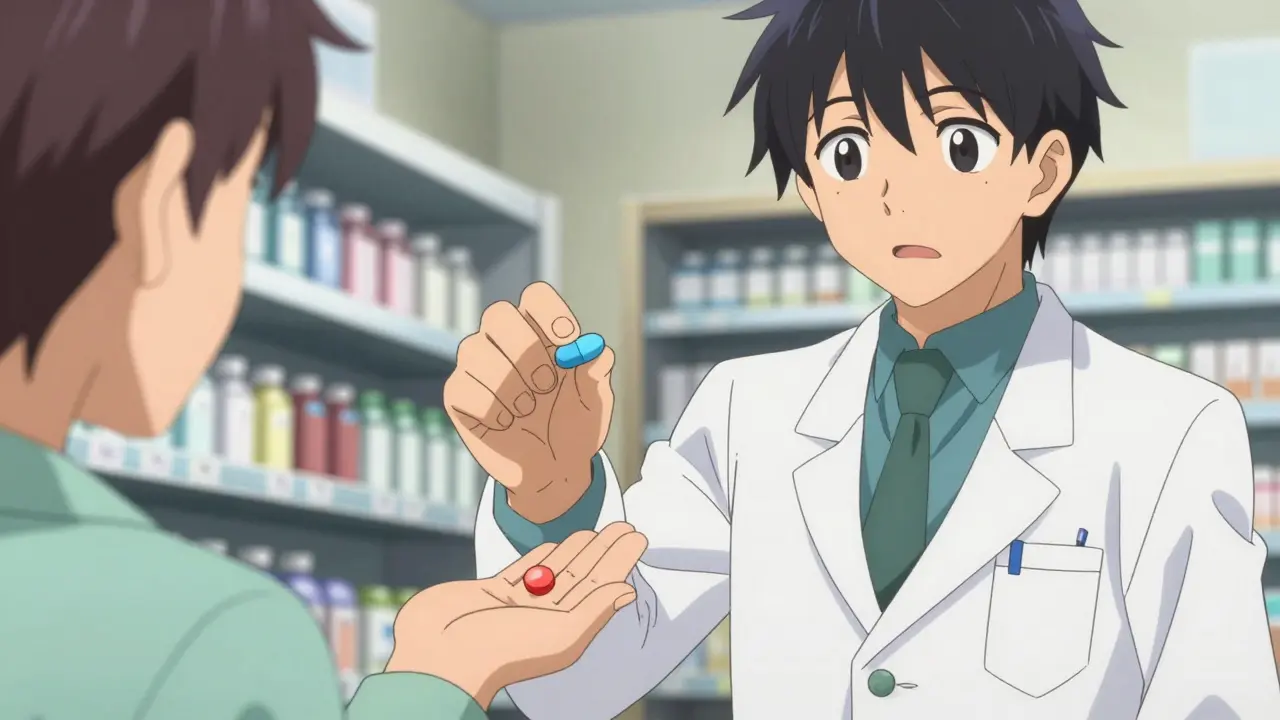
When you switch to a generic medication, not all generics are created equal. Many people assume "generic" means the same as the brand, but that's not true. There are two main types: authorized generics and regular generics. The difference between them can affect your health and your wallet. Let's break down what you need to know.
What Is an Authorized Generic?
Authorized Generic is a medication produced by the original brand manufacturer but sold without the brand name. It contains identical active and inactive ingredients as the brand-name drug. For example, Greenstone Pharmaceuticals makes an authorized generic of Celebrex (celecoxib). The exact same ingredients, same factory, same production line. The only difference? The label doesn't say "Celebrex". The FDA calls this "an approved brand name drug that is marketed without the brand name on its label". Since it's made by the brand company, there's zero variation in formulation. This matters most for drugs where tiny changes in inactive ingredients can cause problems, like epilepsy or thyroid medications.
Authorized generics hit the market right after a brand's patent expires. They're sold under the original drug's New Drug Application (NDA), not the standard generic pathway. This means they skip the bioequivalence testing regular generics need. Why? Because they're physically identical to the brand. You'll often see them priced 10-30% cheaper than the brand but 5-15% more than regular generics. For instance, the authorized generic of Concerta (methylphenidate ER) costs around $185 for a 30-day supply, while the brand is $210 and regular generics are $165.
Understanding Regular Generics
Regular generics are what most people picture when they hear "generic drug". They contain the same active ingredient as the brand but can have different inactive ingredients like fillers, binders, or colorants. For example, a regular generic of lisinopril (a blood pressure drug) might use cornstarch instead of lactose as a filler. This seems minor, but for some people, it changes how the drug works. The FDA requires regular generics to prove they're "bioequivalent" to the brand. That means they must deliver the active ingredient within 80-125% of the brand's absorption rate. In simple terms, they can be up to 25% different in how quickly your body absorbs the medicine.
Most generics you get at the pharmacy are regular generics. They dominate the market, making up 92% of all generic prescriptions in the U.S. (IQVIA, 2022). They're cheaper because multiple companies can make them, and they compete on price. A regular generic of Lipitor (atorvastatin) might cost just $10 for a month's supply versus $150 for the brand. But this cost savings comes with trade-offs. For some patients, even small changes in inactive ingredients cause side effects or reduced effectiveness.
Key Differences Between Authorized and Regular Generics
| Feature | Authorized Generic | Regular Generic |
|---|---|---|
| Manufacturer | Original brand company | Other pharmaceutical companies |
| Inactive Ingredients | Identical to brand | May differ |
| Regulatory Pathway | Brand's NDA | Abbreviated New Drug Application (ANDA) |
| Bioequivalence Testing | Not required | Required (80-125% absorption range) |
| Typical Cost vs Brand | 10-30% lower | 80-85% lower |
| Common Issues Reported | 6.2% of patients | 18.7% of patients |
This table shows why the choice matters. For drugs with narrow therapeutic indices-where small changes in dosage or formulation can cause big effects-authorized generics are often safer. Think epilepsy drugs like lamotrigine. A patient with epilepsy shared on Reddit: "When my insurance switched me from brand Lamictal to a regular generic, I had two breakthrough seizures within 3 weeks. Switched to the authorized generic made by the brand company, zero issues for 18 months now." Meanwhile, for blood pressure meds like lisinopril, regular generics work perfectly fine for most people. One patient noted: "Switched from brand Lisinopril to a regular generic and my blood pressure was better controlled at half the price-saved me $400/month with no side effects."

When to Choose an Authorized Generic
Not all medications need the precision of an authorized generic. But for certain drugs, it's worth the extra cost. The American College of Clinical Pharmacy recommends authorized generics for:
- Narrow therapeutic index drugs (where small dose changes cause big effects)
- Drugs with complex delivery systems (like extended-release pills or inhalers)
- Medications where inactive ingredients affect absorption (e.g., thyroid hormones)
For example, warfarin (a blood thinner) has a narrow therapeutic index. A 2021 study found patients switching to regular generics had 30% higher risk of dangerous bleeding episodes compared to authorized generics. Similarly, antiepileptic drugs like phenytoin often require authorized generics. The American Academy of Neurology specifically advises against automatic substitution for these drugs due to ingredient differences. If you take medication for seizures, thyroid issues, or blood thinning, ask your pharmacist: "Is this an authorized generic?"
When Regular Generics Work Just Fine
For many common medications, regular generics are perfectly safe and effective. Statins for cholesterol (like atorvastatin) have wide therapeutic indices-meaning small changes in formulation don't affect outcomes. Over 98% of statin prescriptions use regular generics with no issues. Same goes for ACE inhibitors like lisinopril (blood pressure) or beta-blockers like metoprolol. A 2022 FDA analysis showed no clinically significant differences between brand and regular generic versions of these drugs.
Here's the rule of thumb: if your medication has a "wide therapeutic index" (meaning there's a large safety margin between effective and toxic doses), regular generics are fine. Most antibiotics, antidepressants (like sertraline), and allergy meds fall into this category. For these drugs, the cost savings of regular generics make sense. You'll save $10-$50 per month without compromising safety.

How to Ensure a Smooth Medication Switch
Switching to generics can be confusing. Here's how to navigate it:
- Check the NDC number: The National Drug Code (NDC) on your prescription label tells you exactly who made the drug. Authorized generics share the same manufacturer code as the brand. For example, if your brand has an NDC starting with "00026", the authorized generic will start with the same numbers.
- Ask your pharmacist: Pharmacists can tell you if your generic is authorized or regular. Say: "Is this made by the same company as the brand?"
- Review your insurance: Some plans cover authorized generics at the same cost as regular generics. Others require higher copays. Call your insurer to confirm.
- Monitor for side effects: If you notice new symptoms after switching (like headaches, nausea, or reduced effectiveness), contact your doctor immediately. Don't assume it's "all in your head"-formulation differences can cause real issues.
According to a 2021 study in the Journal of the American Pharmacists Association, 47% of patients couldn't tell the difference between authorized and regular generics on their prescription labels. That's why asking questions matters. The FDA's "Medication Switch Checker" tool (used by 2.3 million patients monthly) helps you verify drug sources. Just enter your medication name and pharmacy details to see if it's authorized.
Frequently Asked Questions
Can I ask my pharmacist for an authorized generic?
Yes, absolutely. You can request an authorized generic by name. Just tell your pharmacist: "I'd like the authorized generic version of [medication name]." In most states, pharmacists can fill this request unless your doctor specifically prohibits substitutions. Authorized generics are especially important for drugs with narrow therapeutic indices, like epilepsy medications or blood thinners.
Why do some generics work better than others?
It's all about inactive ingredients. For example, a regular generic of lamotrigine (Lamictal) might use a different filler that changes how quickly the drug is absorbed. This can cause breakthrough seizures in epilepsy patients. Authorized generics avoid this because they're made by the original brand company with identical ingredients. A 2023 GoodRx survey found 18.7% of patients had issues switching to regular generics, versus just 6.2% with authorized generics.
Does insurance cover authorized generics?
Coverage varies. Some plans treat authorized generics like regular generics and cover them at the same low copay. Others charge more because authorized generics cost slightly more than regular generics. Always check with your insurer before switching. For example, Medicare Part D plans now require clear labeling of authorized generics starting in 2024, which should improve coverage consistency. If your plan doesn't cover it, ask your doctor if they can write a "brand medically necessary" note.
How do I know if my generic is authorized?
Look at the NDC number on your prescription label. Authorized generics share the same manufacturer code as the brand. For instance, if the brand's NDC starts with "00026", the authorized version will too. You can also ask your pharmacist: "Is this made by the original brand company?" Many pharmacies label authorized generics as "Authorized Generic" or "Same as [Brand Name]" on the bottle. The FDA's Orange Book website also lists authorized generics by drug name.
Are authorized generics always better?
Not always. For most medications-like cholesterol drugs, antibiotics, or allergy pills-regular generics work just as well. The big difference comes with drugs where tiny formulation changes matter: thyroid meds, antiepileptics, or blood thinners. For these, authorized generics are safer. But for everyday drugs, regular generics save you money without risk. The key is knowing which type your medication falls into.

one hamzah
February 6 2026Authorized generics are such a crucial topic! 🌟 Many people don't realize they're made by the same company as the brand-name drug. For example, Greenstone makes the authorized generic of Celebrex, which is identical in every way. This matters most for drugs with narrow therapeutic indices, like epilepsy or thyroid meds. I've seen patients have serious issues when switched to regular generics. The difference in inactive ingredients can be life-changing. 😊 It's important to ask your pharmacist if it's authorized. Thanks for sharing this info! #HealthcareAwareness
Diana Phe
February 8 2026Big Pharma is in cahoots with the FDA to push authorized generics as 'better' when they're not. It's all about profits. Regular generics are tested and safe. Don't fall for this scam!
Carl Crista
February 8 2026Authorized generics are not better than regular generics. FDA requires same testing. All manufacturers same ingredients. Money grab. Trust no one.
Andre Shaw
February 9 2026Yo, authorized generics are total nonsense. Regular generics are just as good. Big pharma wants you to think they're different so they can jack up prices. It's all smoke and mirrors. Trust me, I know this stuff.
Dr. Sara Harowitz
February 10 2026Authorized generics are the ONLY safe option for medications with narrow therapeutic indices! Regular generics? They're unreliable and dangerous. The FDA should mandate authorized generics for critical drugs. This is basic pharmacology knowledge! For example, in antiepileptic drugs like phenytoin, even small changes in inactive ingredients can cause seizures. The American Academy of Neurology specifically advises against automatic substitution for these drugs due to ingredient differences. I've seen too many patients suffer because of this. The cost difference is minimal compared to the risks. Why would anyone risk their health for a few dollars? It's a no-brainer. The government needs to enforce stricter regulations. Big Pharma is trying to push regular generics to save money, but patient safety must come first. This is a national health crisis. Every patient deserves the best possible care. Don't let cost-cutting compromise your health. Always ask for authorized generics when possible. The FDA's Orange Book is a great resource to check. Trust me, I've been in this field for decades. This is not up for debate. It's science.
Joyce cuypers
February 11 2026This is such important info! I had no idea about authorized vs regular generics. I switched to a regular generic for my blood pressure med and it's been fine, but for my thyroid, I'll ask for the authorized one. Thanks for the clear explanation! 😊
Cole Streeper
February 11 2026Why are we letting foreign companies make our drugs? Authorized generics are made by the original company, but if that company is overseas, it's still bad. We need to ban all imports and make drugs in America. This is a national security issue!
Dina Santorelli
February 12 2026Ugh, this is all just a scam. 💔