
Why Partial Fills and Back-Orders Cause Dispensing Errors
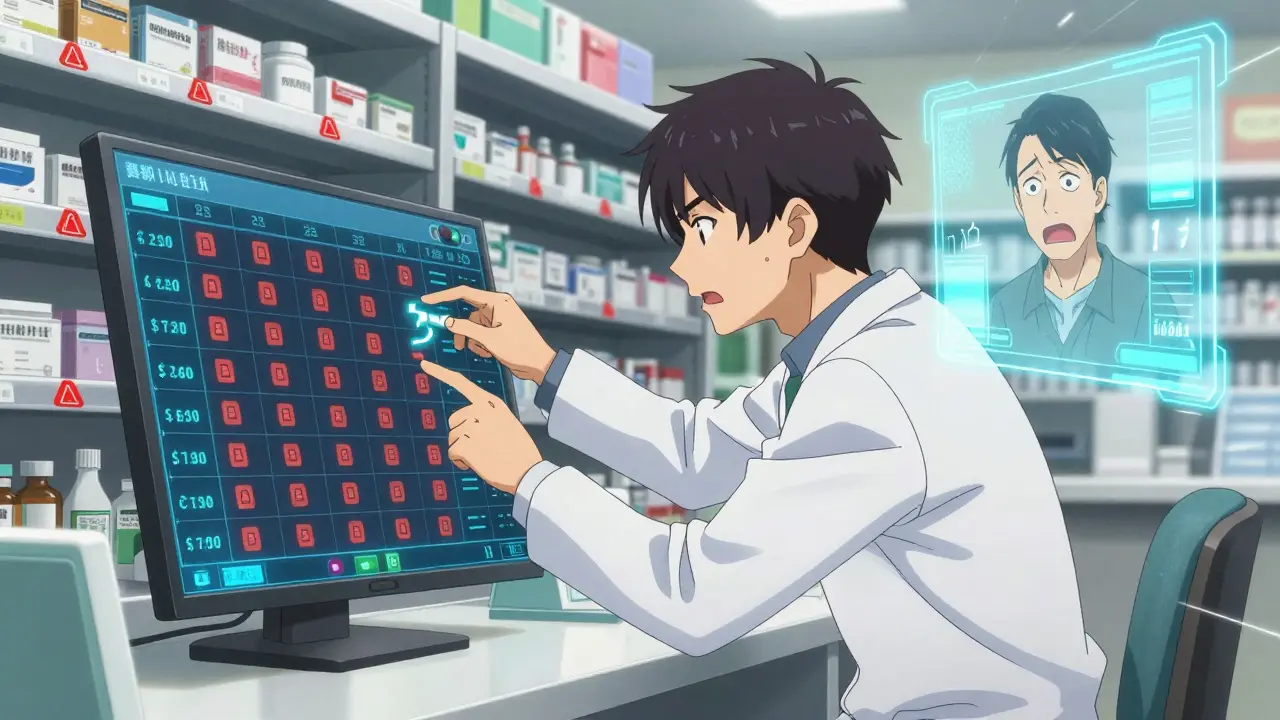
Imagine you’re filling a prescription for a patient who needs three medications. Two are in stock. One is out. You ship the two now and promise the third in a few days. Sounds simple, right? But if your system doesn’t track which items were shipped, when the third arrives, or who ordered it - you’ve just created a dispensing error. Partial fills and back-orders aren’t just logistical headaches. In pharmacies, they’re high-risk events that can lead to medication delays, patient harm, or legal liability.
According to industry data, 8-12% of all pharmacy orders experience some form of back-order or partial fulfillment. In specialty medication clinics, that number jumps to 25%. And here’s the real problem: patients don’t care about your inventory system. They care if they get their medicine on time. When they don’t, trust erodes. Complaints rise. And in healthcare, that’s not just bad service - it’s a safety issue.
Set Clear Back-Order Policies for Different Medications
Not all drugs are the same. A 30-day supply of blood pressure medication is different from a specialty oncology drug that needs refrigeration and special handling. You need to classify your inventory into three tiers.
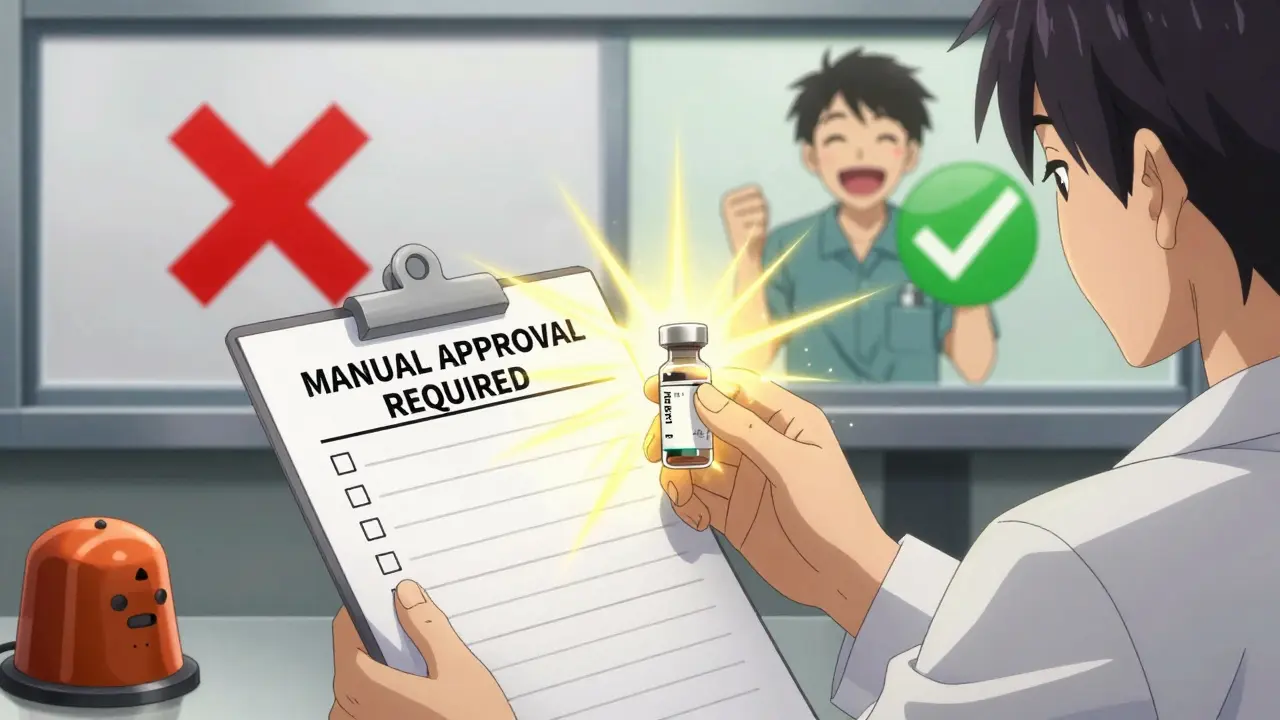
- Tier 1: High-risk or specialty meds - These include controlled substances, injectables, or drugs with narrow therapeutic windows. Never auto-approve back-orders for these. Require manual review by a pharmacist. If it’s out of stock, call the patient. Offer alternatives. Delaying this step can be dangerous.
- Tier 2: Common prescriptions - Think antibiotics, statins, or diabetes meds. These can be auto-approved for back-order if your inventory system confirms the expected restock date is within 7 days. Set a 30-day maximum window. After that, the system should auto-cancel and notify the patient.
- Tier 3: Discontinued or obsolete drugs - If a medication has been discontinued or replaced, don’t allow back-orders at all. Your system should block the order and suggest an FDA-approved alternative immediately.
This tiered approach isn’t just smart - it’s required by best practice standards from the National Association of Boards of Pharmacy (NABP). It reduces errors by forcing human judgment where it matters most.
Use Real-Time Inventory Tracking That Updates Every 5 Seconds
One of the biggest causes of partial fill errors is outdated inventory counts. If your system says you have 10 bottles of lisinopril, but the shelf actually has 3, you’re setting yourself up for a mistake.
Modern pharmacy systems must update inventory in real time - within 5 to 10 seconds of a dispense, return, or restock. This isn’t optional. Systems that lag even 30 seconds create overselling, which leads to back-orders you didn’t plan for. And when those back-orders arrive, you’re left guessing which patient they belong to.
Look for systems that integrate with your point-of-sale, electronic health records, and automated dispensing cabinets. If your software can’t show live stock levels across all locations (main pharmacy, drive-thru, mail-order), you’re operating blind. FIDELITONE’s case studies show pharmacies using real-time tracking cut back-order processing time from 72 hours to under 4 hours - simply because they knew exactly what was in stock, when it arrived, and who needed it.
Ship Only What’s Available - and Bill Only for What’s Shipped
Never charge a patient for medication they haven’t received. This is a rule in healthcare billing, not just good practice. If you bill upfront for a full order and only ship part of it, you’re creating a financial error that leads to patient complaints, refund requests, and audit flags.
Instead, generate a separate invoice for each shipment. If a patient orders three drugs and you ship two now, bill them only for those two. When the third arrives and ships, send a second invoice. Link both invoices to the original order number. This keeps your books clean and your patients informed.
And don’t forget shipping costs. If you ship in two batches, prorate the delivery fee based on weight and value. Don’t charge full shipping twice. Patients notice. And in healthcare, perception of fairness matters as much as accuracy.
Implement FIFO Inventory Allocation to Speed Up Fulfillment
First-In, First-Out (FIFO) isn’t just for food. It’s critical for pharmaceuticals. When new stock arrives, use it to fill back-orders before putting it on the shelf. This eliminates put-away delays and gets meds to patients faster.
Dave Butterly from FIDELITONE explains it plainly: "FIFO lets you ship back-orders the same day inventory arrives. No waiting. No misplacement. No confusion." In one pharmacy case, this simple shift reduced back-order resolution time by 94%. Patients got their missing meds the same day they were restocked - no follow-up calls, no frustration.
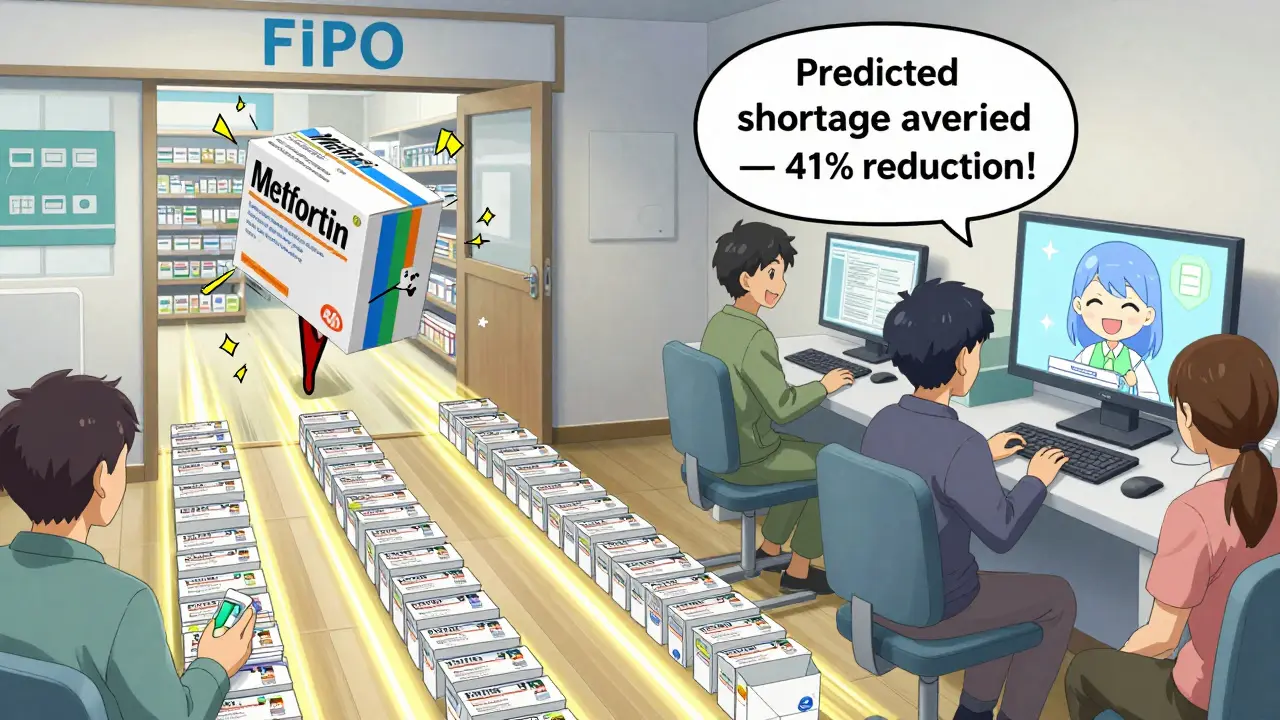
Train your techs to check back-order lists before restocking. If a new shipment of metformin arrives, and three patients are waiting for it, assign that batch to those orders immediately. Don’t put it in storage. Don’t wait for a scan. Do it right away.
Communicate Early, Often, and Clearly
Patients don’t mind waiting if they know why and when. But they hate being left in the dark. That’s why communication is the #1 factor in reducing complaints and errors.
Set up automated messages:
- When a back-order is created: "Your prescription for metformin is temporarily out of stock. We expect it in 5 days. You’ll be notified when it ships."
- When the item arrives: "Your metformin has arrived and will ship today. Your updated delivery date is January 25."
- When the window closes: "We’re unable to fulfill your order for gabapentin by January 30. Would you like a refund or a substitute?"
These messages should come via text, email, and patient portal. Don’t rely on phone calls. Patients are busy. They won’t answer.
NetSuite’s data shows pharmacies using this approach see a 39% drop in customer service calls about back-orders. That’s not just convenience - it’s risk reduction. Fewer calls mean fewer miscommunications, fewer errors, and more time for actual patient care.
Train Staff on Back-Order Workflows - and Audit Regularly
Even the best system fails if staff don’t know how to use it. Most dispensing errors in back-orders happen because someone skipped a step: forgot to tag the order, didn’t update the status, or shipped without verifying the patient’s consent.
Train your team in a 2-3 week program that covers:
- How to identify Tier 1, 2, and 3 drugs
- When to override auto-approval
- How to generate and link partial invoices
- How to use FIFO allocation
- How to respond to patient inquiries
After training, run weekly audits. Pick 20 random back-orders. Check:
- Was the correct tier applied?
- Was the patient notified?
- Was billing accurate?
- Was FIFO followed?
Fix errors immediately. Reward teams that hit 98%+ accuracy. This isn’t bureaucracy - it’s patient safety.
Use AI to Predict and Prevent Back-Orders Before They Happen
Don’t just react to back-orders. Stop them before they start. AI-powered forecasting tools now analyze historical demand, seasonal trends, and even local outbreaks (like flu season) to predict shortages up to 14 days in advance.
NetSuite’s latest update shows pharmacies using AI reduce unexpected back-orders by 41%. The system might flag: "Lisinopril demand in your region is 22% higher than normal. Order 50 extra units by Friday." You act. No patient is left waiting.
Some systems even suggest substitutions. If your stock of a brand-name drug runs low, the AI recommends a generic with the same FDA equivalence rating. If the patient accepts, the order completes - no delay, no back-order.
Prepare for Regulatory Changes - Especially in 2025
As of January 1, 2025, California law (SB-1287) requires online pharmacies to clearly state expected back-order fulfillment times. If you serve patients in California, you must display this on your website and in confirmation emails. Failure means fines.
Even if you’re not in California, this trend is spreading. Other states are watching. The NABP is expected to adopt similar guidelines nationally by 2026. Start now. Build your system to show:
- Estimated restock date
- Maximum wait time (30 days)
- Option to cancel or substitute
It’s not just compliance. It’s trust. Patients will choose pharmacies that are transparent - not those that hide delays.
What Happens When You Get It Right?
Pharmacies that handle partial fills and back-orders well don’t just avoid errors - they build loyalty. One clinic in Bristol saw patient retention jump 18% in 12 months after fixing their back-order system. Why? Because patients felt respected. They got their meds on time. They were told the truth. And when they had questions, the system answered before they even asked.
That’s the goal. Not perfection. But predictability. Transparency. And care.
Elizabeth Cannon
January 23 2026lol i just had a backorder for my antidepressants and they sent me half the script and forgot to tell me. i had to call 3 times. why is this even a thing in 2025? pharmacy techs need better training or i swear i'm switching to mail-order.
Marlon Mentolaroc
January 24 20268-12% error rate? that's actually low. my last pharmacy had 17% partial fills. and they still billed me for the full thing. big red flag. also, FIFO? sounds like a grocery store tactic. why aren't we using AI to auto-prioritize based on patient risk scores? just saying.
Luke Davidson
January 25 2026man i love how this post breaks it down like a story not a manual. i work in a clinic and we used to have patients crying because they missed doses. now we use the tier system and automated texts and it's night and day. one lady told me "i finally feel like my meds care about me" and i cried too. it's not just inventory it's human connection. we even started tagging backorders with emojis now 🚨 for tier 1 🕒 for delays. weird? maybe. but it works.
Heather McCubbin
January 27 2026this whole system is just corporate gaslighting. they want you to believe that if you just follow their 7-step checklist everything will be fine. but the truth? pharmacies are understaffed and overworked. AI won't fix that. no algorithm can replace a human who actually gives a damn. and don't even get me started on California's new law. they're just making us do more paperwork to feel better about doing nothing real.
Sawyer Vitela
January 29 2026Tier 1 needs manual review. Tier 2 auto-approve under 7 days. Tier 3 block. Done. Everything else is fluff.
Viola Li
January 29 2026so you're telling me we're supposed to trust an algorithm to pick a generic substitute? what if it's not bioequivalent? what if the patient has a rare allergy? this is how people die. and you call this "best practice"? laughable.
Dolores Rider
January 31 2026they're watching us. the AI tracks everything. your refills. your backorders. your emotional state when you call. next thing you know they'll be adjusting your meds based on your text tone. i'm not taking any more pills until i know who's really in charge.
venkatesh karumanchi
February 1 2026in india we dont have fancy systems. we write names on sticky notes. we call patients on their landlines. we walk meds to their homes when they cant come. its messy. its loud. its human. and somehow we rarely mess up. maybe the answer isnt more tech. maybe its more heart.
Jenna Allison
February 2 2026FIFO is gold. we started doing it last month. same-day fulfillment for backorders jumped from 12% to 89%. also, make sure your EHR syncs with your inventory. if it doesn't, you're flying blind. and yes, billing per shipment is non-negotiable. CMS audits are brutal if you don't.
Vatsal Patel
February 3 2026so you built a 2000-word manual to solve a problem caused by underpaying pharmacists and overcharging patients? brilliant. next you'll tell me the solution is more training. nah. the solution is pay them enough to care. the rest is just theater. this whole thing is a performance for investors, not patients.