

Imagine prescribing a standard dose of an antibiotic to a patient in their seventies, only to find them weeks later suffering from severe cognitive decline or seizures. This isn't a rare scenario; it is a direct result of overlooking renal function in older adults. Approximately 38% of adults aged 65 and older suffer from chronic kidney disease, yet many prescriptions are written without adjusting for declining kidney function. The kidneys act as the body's filter, and when they slow down, medications pile up until they become toxic.
This issue hits hardest because aging changes how our bodies handle drugs. A healthy twenty-year-old clears a dose of lithium quickly. An eighty-year-old with mild kidney strain might hold onto that same chemical for days, leading to dangerous buildup. We are talking about preventing falls, avoiding hospitalization, and ensuring life-saving drugs don't accidentally cause harm. Getting the math right on kidney function is not just a formality; it is a safety critical step.
Understanding Kidney Function in Aging
To manage medication safely, we must first understand what is happening inside the body. The Glomerular Filtration Rate, often called eGFRa measure of how well your kidneys are filtering blood, drops naturally as we age. By age 80, kidney function can be half of what it was at age 30, even in people who never had diagnosed kidney trouble.
The standard way doctors measure this filtration is through equations that look at serum creatinine, age, weight, and sex. For decades, the industry standard was the Cockcroft-Gault Equationa formula used to calculate creatinine clearance for drug dosing. Published back in 1976, it remains surprisingly relevant for drug dosing because many medication labels were written based on this specific calculation. However, newer methods like the Modification of Diet in Renal Disease (MDRD) equation often give different results.
Here lies a common pitfall. In 2023, research showed that standard calculations can underestimate kidney function in elderly patients by up to 20%. If the numbers say a patient has poor kidney function, but they actually have slightly better function, a doctor might under-dose a critical antibiotic. Conversely, relying on a test that overestimates function could lead to giving a full dose to someone who cannot process it. For patients with an estimated GFR between 25 and 59 mL/min/1.73 m², guidelines suggest using the Cockcroft-Gault method as a more conservative safety net.
High-Risk Medications to Watch
Not every pill carries the same risk. Some drugs leave the body through the liver, so kidney changes don't affect them much. Others rely almost entirely on the kidneys. When kidney function slips, these "renal-dependent" drugs become time bombs.
A classic example is Digoxina heart medication with a narrow therapeutic index requiring precise monitoring. Used for heart failure and atrial fibrillation, digoxin has very little room for error. In a healthy adult, the level needed to work is tight. In a senior with impaired kidneys, levels can rise to toxic concentrations quickly, causing nausea, vision changes, and irregular heartbeats. You cannot guess the dose here; it requires calculating the clearance rate precisely.
Diabetes management presents another complex challenge. The drug Metforminthe most commonly prescribed oral diabetes medication cleared by kidneys is generally safe, but in severe kidney impairment, it can cause lactic acidosis-a potentially fatal condition. While some European guidelines allow more flexibility, standard precautions still dictate stopping or reducing doses when kidney function falls below certain thresholds. Similarly, pain relief often involves NSAIDs (like ibuprofen). These aren't just cleared by kidneys; they can actually damage kidney tissue further. In elderly patients, this double whammy accelerates renal decline.
Strategies for Adjusting Doses
Once you know a patient has renal impairment, what do you actually do? There are three main ways to modify a prescription to stay safe. The first is reducing the amount of drug given each time. Instead of 1 gram, you prescribe 500 milligrams. The second is extending the interval between doses. Instead of taking the pill every 6 hours, the patient takes it every 12 hours. The third is combining both approaches, which is common for powerful antibiotics like piperacillin/tazobactam.
A widely cited heuristic in community practice is the "50% rule." If a patient's Creatinine Clearance (CrCl) drops below 50 mL/min, a clinician should reduce the dose by half or double the time between doses. This works well for many simple antibiotics. However, it fails for complex drugs like vancomycin, which requires monitoring peak and trough levels. Over-relying on a simple rule without checking individual patient factors leads to inappropriate dosing decisions in about 30% of cases according to geriatric reviews.
For specific drugs, protocols are quite granular. Take cefepime, a strong antibiotic. If the clearance is above 50, the dose is normal (every 6 hours). Once clearance drops to 30-50, you switch to every 8 hours. Below 10, you stretch the interval to once every 24 hours. Missing these checkpoints can result in neurotoxicity. Allopurinol, used for gout, offers another clear case. Standard doses are often too high for elderly patients. Current guidance suggests starting low, perhaps 100 mg on alternate days, rather than the standard daily maintenance dose found in drug monographs.
Clinical Tools and Implementation
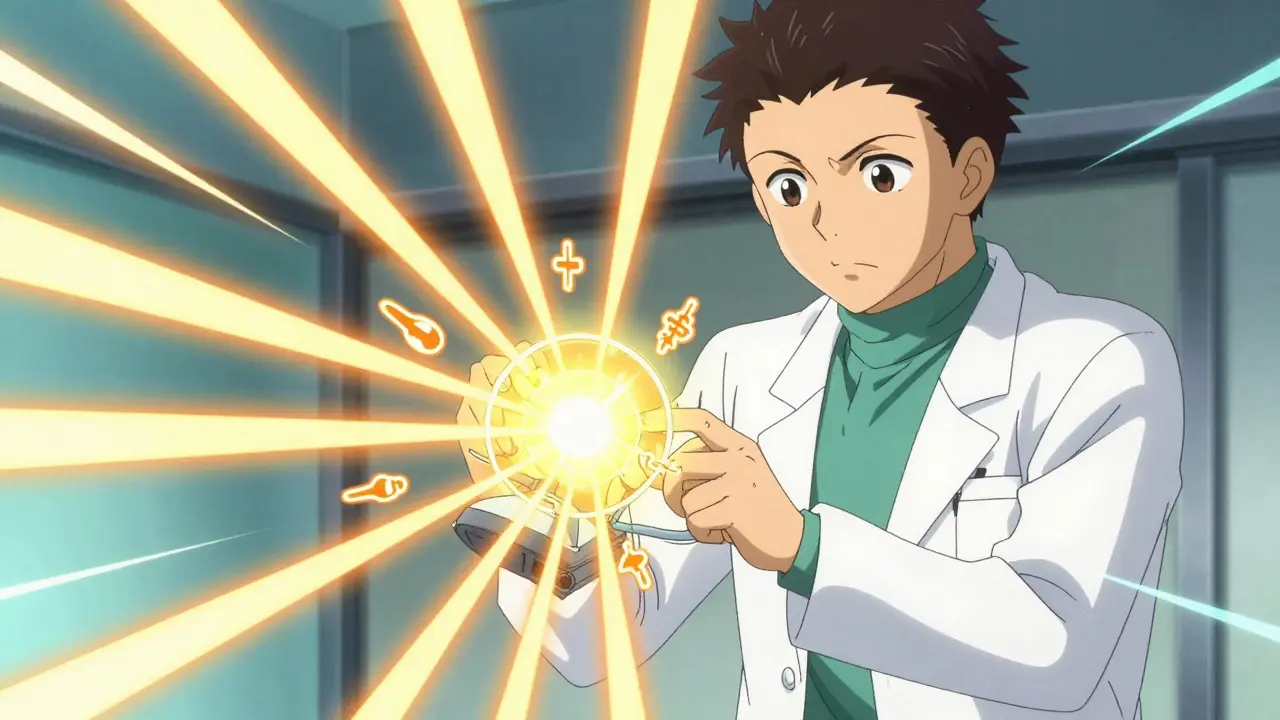
Knowing the theory is one thing; applying it under pressure is another. A 2015 study found that fewer than half of prescribers consistently adjusted doses for renally excreted medications. The workload is massive, and mental math errors happen. To combat this, modern healthcare relies on technology integration.
Hospitals increasingly use Electronic Health Record (EHR) alert systems. If a doctor tries to order a standard dose of gabapentin for a patient with a known GFR of 30, the system pops up a warning flag. One major medical center reported a 37% reduction in inappropriate dosing after rolling out such alerts in 2019. Mobile apps also help. Tools like Epocrates Renal Dosing allow pharmacists and doctors to plug in a patient's labs and get an instant recommendation. This removes the guesswork from the bedside discussion.
Institutional leadership plays a role too. Clinical pharmacists are essential in this ecosystem. When pharmacists review renal dosing protocols before a patient gets the drug, adverse events drop significantly. Studies from Mayo Clinic indicate a 58% reduction in bad reactions when pharmacy teams managed the adjustments. This isn't just about paperwork; it saves money and lives.
| Drug Class | Standard Approach | Impaired Kidney Action |
|---|---|---|
| Digoxin | Frequent monitoring required | Reduce dose by 50% |
| Metformin | No change usually | Contraindicated if GFR <30 |
| Gabapentin | Every 8 hours | Extend interval to q12h-q24h |
| Cefepime | Every 6 hours | Adjust to q24h if CrCl <10 |
Safety Protocols and Regulatory Standards
Safety isn't left to chance anymore. Organizations like the American Geriatrics Society publish the Beers Criteria annually. This document lists medicines that should be avoided in older people. Currently, there are 32 medications flagged with specific renal dosing requirements. Adhering to this checklist helps prevent the top causes of avoidable readmissions.
Regulatory bodies are stepping up, too. The FDA now requires specific labeling for geriatric patients, mandating that drug manufacturers include detailed dosing information for those over 65. In Europe, the EMA went further, requiring protocols for any patient where calculated clearance is below 60 mL/min. These rules push hospitals toward a culture of safety rather than convenience.
Despite these advances, gaps remain. Long-term care facilities struggle the most. Only about 28% have formal renal dosing protocols in place compared to university hospitals. This disparity means residents in nursing homes face higher risks of toxicity. Bridging this gap requires training staff to recognize early signs of toxicity, such as sudden confusion or worsening balance, rather than assuming it is just 'aging'.
Future Directions in Geriatric Care
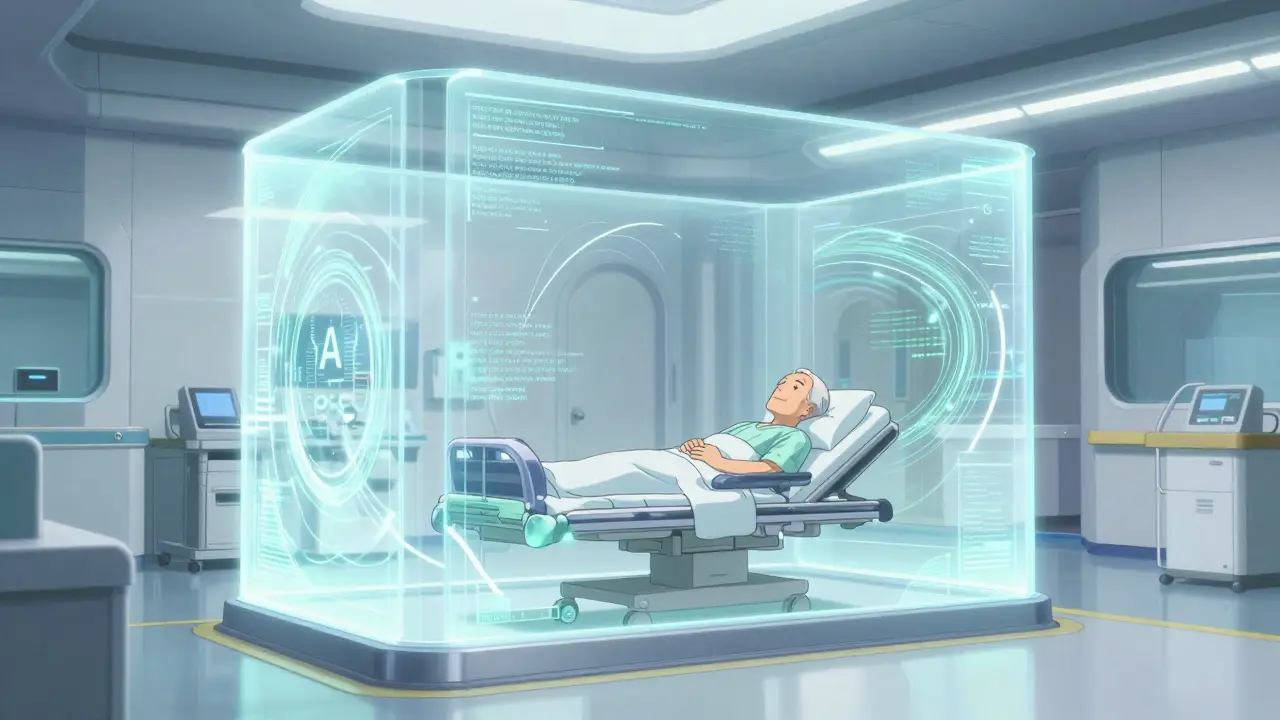
As we move into late 2026, the approach to renal safety is becoming more predictive. Artificial Intelligence platforms like DoseOptima are now integrated into hospital systems. These tools analyze real-time lab data to recommend doses with over 90% accuracy across thousands of encounters. This reduces reliance on memory-based prescribing.
We are also seeing the rise of pharmacogenomics. Researchers are studying how genetic variants affect drug transport in the elderly. A patient might metabolize a drug differently not just because of their age, but because of their DNA. Future guidelines may combine kidney function with genetic profiles to create personalized dosing charts that eliminate the risk of guessing.
Ultimately, the goal is simplicity. Whether through AI tools or pharmacist-led checks, the aim is to ensure that when an elderly person takes a pill, it heals them rather than hurts them. Recognizing kidney function as a vital part of safety allows us to treat conditions effectively without paying the price of toxicity.
Frequently Asked Questions
Why do kidney function tests change with age?
Muscle mass decreases as we age, which affects how creatinine is produced and filtered. Equations account for this loss to give an accurate picture of kidney health.
Is serum creatinine enough to determine dosage?
No. Serum creatinine alone is often misleading in older adults because muscle mass varies. Calculated GFR or Creatinine Clearance is required for accuracy.
Can I stop metformin if my GFR is slightly low?
Consult your doctor immediately. Usually, Metformin is restricted if GFR falls below 30, but guidelines vary slightly by region regarding the 45-60 range.
What are early signs of drug toxicity in seniors?
Look for unexplained confusion, increased drowsiness, loss of balance or falling, and changes in appetite. These are often mistaken for dementia or natural frailty.
Does hydration affect kidney drug clearance?
Yes. Dehydration drastically lowers kidney filtration rate, temporarily increasing drug concentration. Maintaining proper fluid intake is critical.

Sophie Hallam
March 27 2026It is really important to consider these factors when we think about elderly care today. Many people forget that aging changes how the body processes chemical substances naturally. We often see patients who fall ill because of standard dosage prescriptions given without checks. The electronic health record system helps catch these specific errors effectively. Hospitals are finally putting better alert systems in place for safety. This means doctors get flagged before they prescribe too much medication. It saves so many lives from accidental medication poisoning in vulnerable groups. Pharmacists play a huge role in checking the math before dispensing any drugs. Their review process cuts down adverse events significantly according to studies. We should encourage more institutions to adopt these safety protocols widely. Safety nets like these prevent cognitive decline in older folks effectively. Preventing hospitalization is a major goal for everyone involved in geriatric medicine. We need to trust the data provided by the GFR measurements consistently. Calculations like Cockcroft-Gault remain vital despite newer modern methods emerging. Ultimately getting the numbers right prevents serious harm completely for our seniors.
walker texaxsranger
March 29 2026pharmacokinetics ignoring half life extension creates toxicity spikes nobody sees until the seizure event
Eva Maes
March 29 2026This discussion highlights a precarious landscape where medical calculus meets biological decline. The reliance on outdated equations feels somewhat dangerous yet necessary. We navigate a perilous path between therapeutic benefit and toxic catastrophe. Standardized rules often fail the nuanced reality of individual physiology. One must wield clinical judgment like a precise scalpel rather than a blunt hammer. Technology aids us but rarely replaces human oversight entirely.
Aaron Olney
March 31 2026i cant believe how many peeps die form misdiagnosis EVERYDAY! its so scary when u read about renal failure cases. why dont they FIX THE SYSTEM?? my mom almost died last year because doctor gve wrong dose!! its insane and i get so mad reading stuff like this omg
Sarah Klingenberg
April 2 2026It's great to see so much awareness building around this topic everyone! 😊 Keeping our senior loved ones safe is such an important part of healthcare. These tools really do make a difference in preventing bad outcomes 🙌. We should all be supportive of the staff working hard on this 💪.
Shawn Sauve
April 3 2026I totally agree with your positive outlook there Sarah :) It is wonderful that technology is helping teams communicate better 👍. We should keep supporting these initiatives moving forward 💯.
Poppy Jackson
April 4 2026this is heartbreaking and brilliant simultaneously really. imagine the chaos if everyone stopped checking kidneys today. we need heroes in labs saving old people from poisons quietly every day honestly. please read this and learn something valuable.
Paul Vanderheiden
April 6 2026you are absolutely right about the need for vigilance and hope always wins eventually lets keep pushing for better training everywhere it is possible to improve things together :)
Jordan Marx
April 7 2026The bioavailability kinetics shift drastically when renal clearance dips below fifty milliliters per minute. We observe significant variance in drug accumulation profiles depending on creatinine clearance thresholds. Protocols exist but adherence remains inconsistent across different facilities globally. Clinicians need robust decision support embedded directly into workflow streams. The synergy between pharmacy and prescriber actions determines patient outcomes substantially.
kendra 0712
April 9 2026Jordan you are spot on!!!! These statistics are absolutely mind blowing!!! Everyone needs to read this right now!!!! Thanks for sharing the insight!!! :)