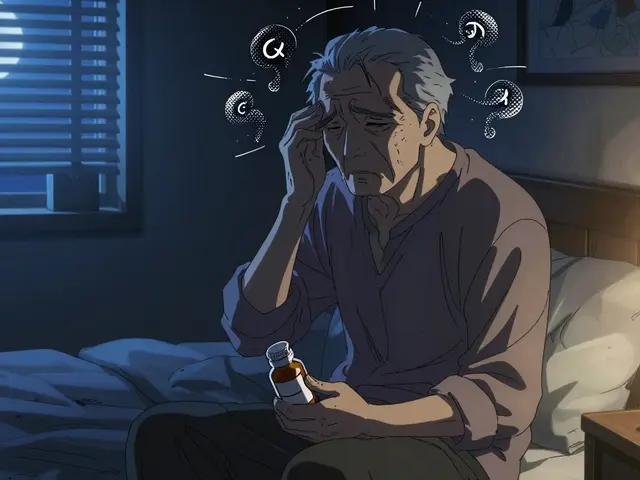

Imagine trying to calm a loved one who is experiencing a terrifying hallucination or a violent outburst due to dementia. In the heat of the moment, a fast-acting medication seems like the only solution. However, for seniors with dementia, using Antipsychotics is a decision that can carry a heavy price: a significantly higher risk of stroke and death. This isn't just a minor side effect; it's a risk so severe that the government has placed a "black box" warning on these drugs for years.
The Real Danger: Why the Risk Increases
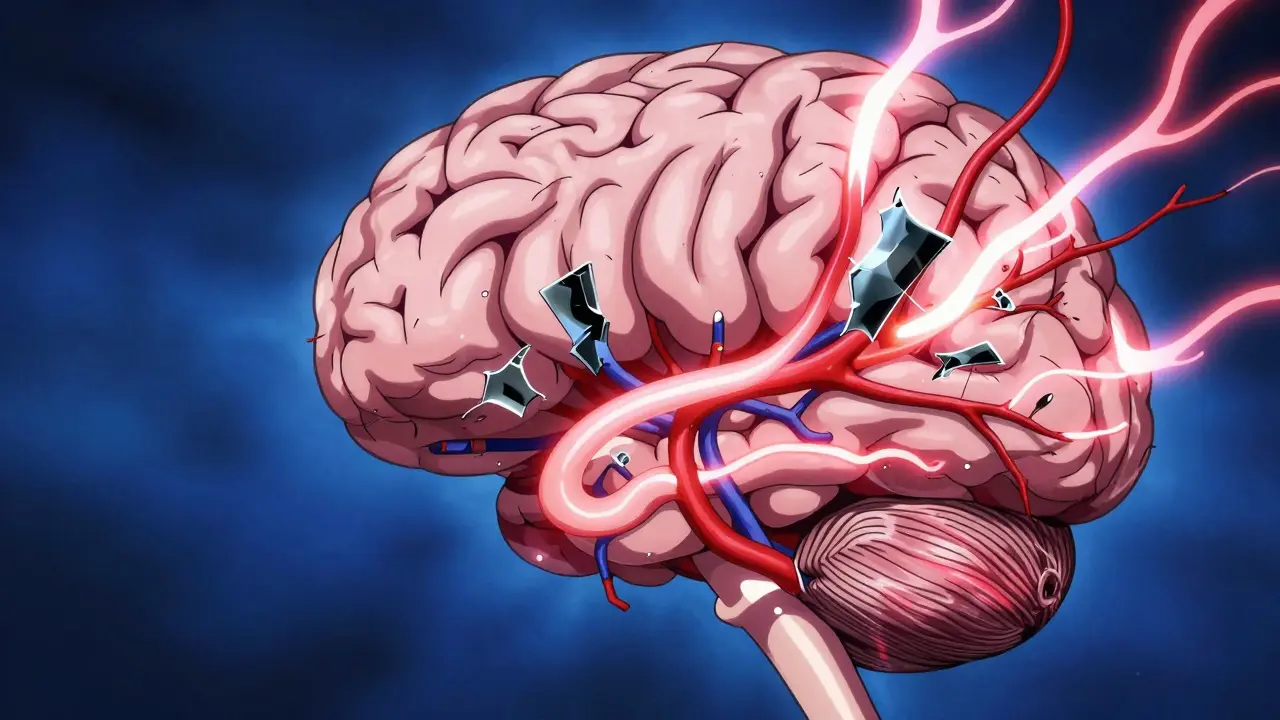
When we talk about antipsychotics stroke risk, we aren't talking about a theoretical possibility. The U.S. Food and Drug Administration (FDA) issued warnings as far back as 2005 after seeing that elderly patients with dementia-related psychosis were 1.6 to 1.7 times more likely to die when taking these drugs compared to those taking a placebo. But how does a psychiatric drug cause a brain bleed or a blockage?
It's not just one thing. These medications can mess with the body's blood pressure, causing a sudden drop when a person stands up (orthostatic hypotension). They can also trigger metabolic syndrome-a cluster of conditions like high blood pressure and high blood sugar-which are primary drivers for stroke. Furthermore, they can interfere with the neurotransmitters that help regulate how blood flows through the brain. Essentially, you're putting a cardiovascular strain on a brain that is already fragile due to dementia.
Comparing Typical vs. Atypical Antipsychotics
You might hear doctors talk about "first-generation" (typical) and "second-generation" (atypical) antipsychotics. You might assume the newer, atypical ones are safer. While they have different side effects, the danger of stroke is present in both. Some research, including studies cited by the American Heart Association, shows that the risk of stroke is about 1.8 times higher for those on any antipsychotic compared to those who aren't.
That said, there are some differences in how these drugs impact the body over time. Typical antipsychotics, when used long-term (usually over 90 days), tend to show a higher risk of cerebrovascular events than atypical ones. Atypical agents, on the other hand, are more likely to cause metabolic issues. The bottom line? Neither is a "safe' bet for a senior with dementia.
| Feature | Typical (First-Gen) | Atypical (Second-Gen) |
|---|---|---|
| Stroke Risk | High (Especially long-term) | High |
| Primary Metabolic Risk | Lower relative to SGAs | Higher (Metabolic Syndrome) |
| FDA Warning | Black Box Warning | Black Box Warning |
| Common Use Case | Severe psychosis/agitation | BPSD management |
Is Short-Term Use Still Dangerous?
A common misconception is that these drugs are only dangerous if used for months or years. Some clinicians believe a "quick course" to stabilize a patient is safe. However, data from Veterans Affairs suggests otherwise. The spike in stroke risk appears even after brief exposure. This means that the window of danger opens almost as soon as the first dose is administered.
While some reviews suggest that the risk of a cerebrovascular event is less salient in very short-term use, the general medical consensus is leaning toward extreme caution. If the drug can trigger a stroke in a few days, the "short-term" benefit might not be worth the gamble.
The Gold Standard: Better Ways to Manage Behavior
If the risks are this high, why are these drugs still prescribed in nursing homes? Often, it's because managing BPSD (Behavioral and Psychological Symptoms of Dementia) is incredibly hard. Caregivers are exhausted, and the symptoms-like aggression or wandering-are disruptive. But the Beers Criteria, a widely respected set of guidelines from the American Geriatrics Society, explicitly recommends avoiding antipsychotics for these symptoms.
Instead, families and providers should focus on non-pharmacological interventions. This means looking at the "why" behind the behavior. Is the patient agitated because they are in pain? Are they confused by the lighting in the room? Are they lonely or hungry? Using techniques like music therapy, structured routines, and environmental modifications can often calm a patient without risking their life.

When the Risk is Unavoidable
There are rare, extreme cases where a patient is a danger to themselves or others, and no other intervention works. In these specific scenarios, a doctor might decide the immediate danger of violence outweighs the long-term risk of stroke. If this happens, the strategy should be: start at the lowest possible dose, monitor for any signs of stroke or metabolic change, and have a clear exit plan to taper the drug off as soon as the crisis passes.
It's also vital to evaluate the patient's existing health. If the senior already has high blood pressure, diabetes, or a history of transient ischemic attacks (TIAs), the addition of an antipsychotic is like adding fuel to a fire. In these cases, the risk isn't just "elevated"-it's critical.
Are all antipsychotics equally dangerous for seniors?
While both typical and atypical antipsychotics carry FDA black box warnings, they have different risk profiles. Typical antipsychotics often show a higher risk of stroke when used long-term. Atypical antipsychotics are associated with a higher risk of metabolic syndrome, which can indirectly lead to cardiovascular issues and stroke over time.
Can a short course of medication be safe?
Some research suggests short-term use is less risky than long-term use, but other studies show that the risk of stroke increases even after brief exposure. Medical guidelines generally advise against using them unless every other non-drug option has failed.
What are the non-drug alternatives for dementia agitation?
Effective alternatives include environmental adjustments (reducing noise and clutter), music therapy, tactile stimulation (like weighted blankets), and addressing underlying medical issues like urinary tract infections (UTIs) or uncontrolled pain, which often cause "behavioral" outbursts.
What is the 'Black Box Warning' on these meds?
A black box warning is the strictest warning the FDA can put on a drug. For antipsychotics, it warns that elderly patients with dementia-related psychosis treated with these drugs have an increased risk of death and stroke compared to those taking a placebo.
Why are these drugs still prescribed if they are risky?
They are often prescribed "off-label" to manage severe behavioral symptoms (BPSD) that make caregiving nearly impossible. Because they work quickly to sedate or calm a patient, they are sometimes used as a shortcut despite the known dangers.
What to Do Next
If your loved one is currently on an antipsychotic, do not stop the medication abruptly, as this can cause severe withdrawal symptoms or a rebound of behavioral issues. Instead, schedule a meeting with their physician to discuss a tapering plan.
Ask the doctor: "What non-drug strategies have we tried?" and "Is the current benefit of this medication outweighing the 1.8x increased risk of stroke?" If the patient is in a nursing home, request a care plan meeting to specifically address BPSD management without the use of high-risk sedatives.