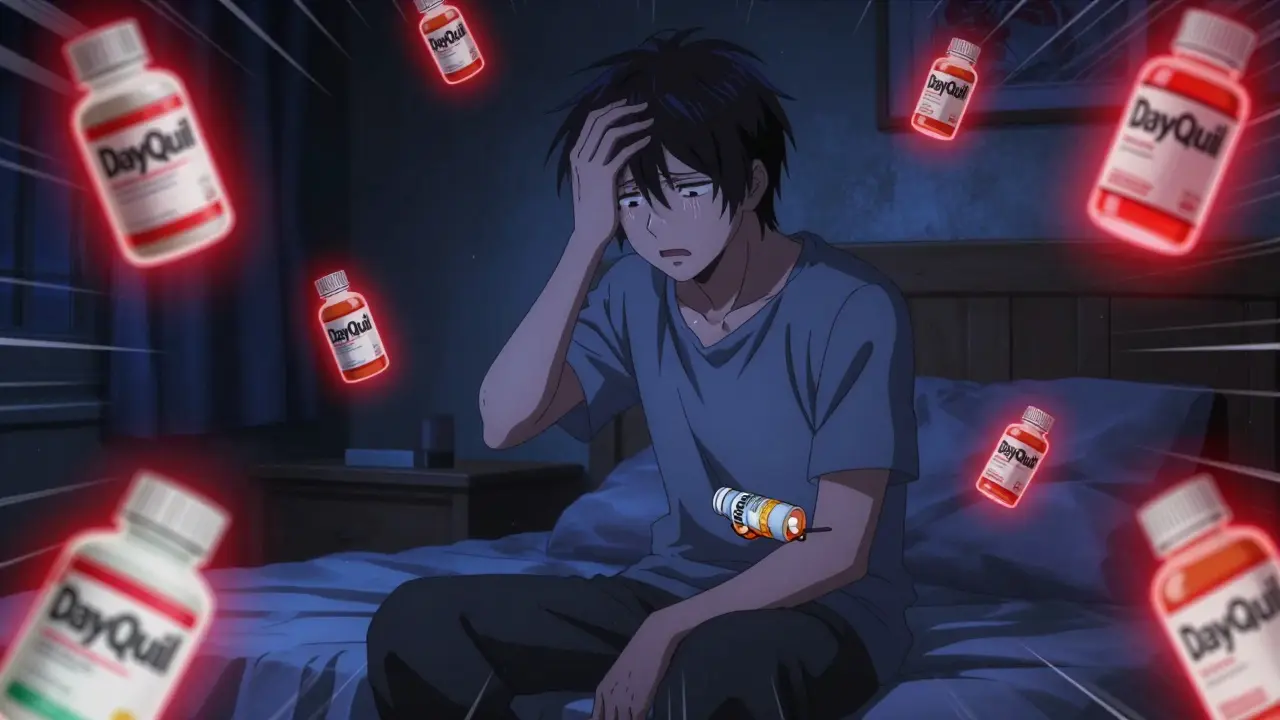
It starts with a headache. Then comes the congestion. You reach for DayQuil, a popular daytime cold remedy, because it promises to knock out multiple symptoms at once. An hour later, your head still throbs, so you pop two regular Tylenol pills for extra relief. You feel smarter about managing your pain, but you’ve just walked into a dangerous trap. You haven’t just taken more medicine; you’ve likely exceeded the safe limit of acetaminophen, a common pain reliever found in many OTC products.
This scenario plays out thousands of times during cold and flu season. The convenience of multi-symptom combination medications is undeniable, but it comes with a hidden cost: the risk of unintentional double dosing. According to the American Association of Poison Control Centers, there were over 14,000 documented cases of acetaminophen overdose linked to cold and flu medication misuse in 2022 alone. That’s not just a statistic; it represents real people facing liver damage because they didn’t realize their "cold" medicine contained the same active ingredient as their "headache" medicine.
The Hidden Danger of Combination Medications
Combination cold and flu medications are designed for efficiency. They bundle ingredients like acetaminophen for pain and fever, phenylephrine for nasal decongestion, and dextromethorphan for cough suppression into a single pill or liquid. The logic is simple: why take three different bottles when one can do the job? Major brands like Vicks, Tylenol, and Theraflu dominate this space, offering "Day" formulas to keep you alert and "Night" formulas with sedating antihistamines like doxylamine succinate to help you sleep.
However, this bundling creates a fog of confusion. When you treat specific symptoms separately, you know exactly what you’re taking. When you use a combination product, you might be ingesting ingredients you don’t need. For example, if you only have a runny nose, taking a full-spectrum cold med exposes you to unnecessary pain relievers and cough suppressants. More dangerously, if you then add a standalone decongestant or painkiller, you stack doses without realizing it.
The FDA requires all OTC drugs to list active ingredients clearly on the Drug Facts label, yet studies show that most consumers skim these labels rather than reading them thoroughly. A 2023 survey revealed that 65% of patients don’t realize acetaminophen is present in multiple cold medications. This lack of awareness turns a convenient solution into a health hazard.
Decoding the Drug Facts Label
Avoiding double dosing starts with mastering the Drug Facts panel. It’s not just fine print; it’s your safety manual. Here is how to read it effectively:
- Active Ingredients Section: This is the most critical part. Look for chemical names. Acetaminophen may also be listed as APAP or paracetamol (on imported goods). Ibuprofen is distinct from acetaminophen, but both are NSAIDs or analgesics that affect the liver or stomach differently. Never mix products containing the same active ingredient.
- Purpose Column: This tells you what each ingredient does. If you see "Pain Reliever" next to acetaminophen, remember that any other product listing "Pain Reliever" with acetaminophen adds to your total daily dose.
- Dosage Instructions: Pay attention to the maximum number of doses per 24 hours. Daytime formulas often allow dosing every 4 hours, while nighttime formulas might restrict you to every 6 or 8 hours. Mixing them up can lead to accidental overdosing within a short window.
- Warnings Box: This section explicitly states risks like liver damage from excessive acetaminophen or interactions with alcohol. It will also warn against using other products containing similar ingredients.
Take your time here. The FDA recommends spending at least 2-3 minutes reviewing this label before your first dose. It’s a small investment for significant peace of mind.

Single-Ingredient vs. Combination Products: Which Is Safer?
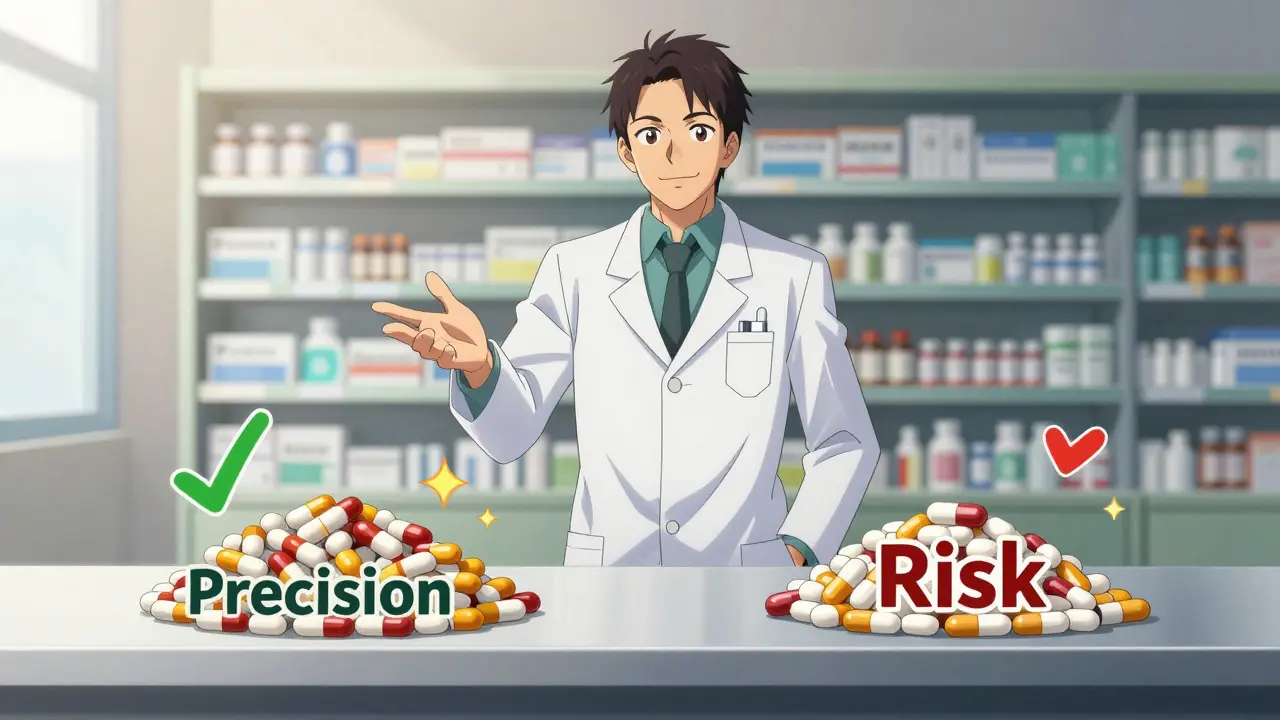
While combination products sell well due to marketing and convenience, medical experts increasingly favor single-ingredient treatments. Why? Precision. If you have a fever but no cough, you only need an antipyretic like acetaminophen or ibuprofen. Adding a decongestant or antihistamine introduces side effects-like jitteriness or drowsiness-that you didn’t ask for.
| Feature | Single-Ingredient Products | Combination Products |
|---|---|---|
| Risk of Double Dosing | Low (if used correctly) | High (due to overlapping ingredients in other meds) |
| Side Effect Profile | Targeted (only affects intended symptom) | Broad (may cause unwanted effects like drowsiness) |
| Convenience | Lower (may require multiple pills) | Higher (one pill for multiple symptoms) |
| Expert Recommendation | Preferred by 68% of pharmacists | Used primarily for severe multi-symptom cases |
| Cost Efficiency | Often cheaper per symptom treated | Can be expensive if treating only one symptom |
A 2022 Pharmacy Times survey found that 68% of pharmacists recommend single-ingredient products for patients with specific symptoms. This approach minimizes the chance of interaction and allows you to adjust dosages based on severity. For instance, you might need a higher dose of pain reliever but no decongestant. With a combination pill, you’re locked into a fixed ratio.
Common Scenarios Where Double Dosing Happens
Double dosing rarely happens because someone intentionally tries to harm themselves. It usually occurs through honest mistakes. Here are the most common traps:
- The "Headache + Cold" Combo: You take Tylenol Cold & Flu (which contains acetaminophen) for your sniffles. Later, your headache persists, so you take regular Tylenol. Result: You’ve doubled your acetaminophen intake without adjusting for the overlap.
- The "Nighttime + Daytime" Switch: You take NyQuil at night for sleep and congestion. In the morning, you still feel congested, so you take DayQuil. While the active ingredients differ slightly (doxylamine vs. phenylephrine), both contain acetaminophen and dextromethorphan. Taking them too close together can exceed safe limits.
- The "Generic Brand" Confusion: You buy store-brand cold medicine, assuming it’s different from the name brand. Often, generics contain identical active ingredients in identical amounts. Taking both assumes they are different classes of drugs, which they are not.
- The "Supplement" Oversight: Some herbal supplements or sleep aids contain diphenhydramine or melatonin, which can interact with antihistamines in cold medicines, increasing sedation risks.
Real-world data supports this concern. On health forums, users frequently report unexpected drowsiness or nausea after combining seemingly harmless products. One reviewer noted severe next-day fatigue after mixing NyQuil with a separate allergy pill, unaware both contained sedating antihistamines.
Practical Steps to Stay Safe
You don’t need a pharmacy degree to avoid these pitfalls. Follow these actionable steps:
- Keep a Log: Write down every OTC medication you take, including the time and dose. This simple habit prevents accidental re-dosing within the prohibited window.
- Use the "One Ingredient" Rule: If you must use a combination product, do not take any other medication containing its active ingredients for at least 4-6 hours. Check the label for the "Do Not Use" warnings.
- Consult a Pharmacist: Pharmacists are accessible healthcare experts. Ask them to review your current medications. Many community pharmacies offer free medication checkups that identify potential conflicts.
- Download a Tracking App: Apps like Medisafe or Apple Health can remind you of dosing schedules and flag duplicate ingredients if you input your medications.
- Read Beyond the Front Label: Marketing terms like "Severe," "Maximum Strength," or "Multi-Symptom" tell you nothing about the actual chemicals inside. Always flip the bottle and read the Drug Facts panel.
If you suspect you’ve overdosed, act immediately. Symptoms of acetaminophen toxicity include nausea, vomiting, loss of appetite, and sweating. Liver damage may not show obvious signs until days later. Call Poison Control at 1-800-222-1222 or seek emergency care. Time is critical in preventing permanent liver injury.
The Future of OTC Cold Medicine
The landscape of cold and flu remedies is shifting. Regulatory bodies like the FDA are scrutinizing ingredients more closely. In November 2024, the FDA proposed removing oral phenylephrine from the OTC monograph due to evidence suggesting it is ineffective at standard doses. This move could force manufacturers to reformulate products, potentially reducing the number of active ingredients in combination pills.
Industry trends also point toward simplification. Sales of single-ingredient acetaminophen have risen by nearly 13% year-over-year, while combination product growth has slowed. Consumers are becoming more educated about ingredient transparency. Expect to see clearer labeling, digital tools for medication management, and possibly new delivery systems that separate ingredients into different tablets within the same package to maintain convenience while enhancing safety.
Until then, the responsibility lies with us. By understanding what’s in our medicine cabinet and reading labels carefully, we can treat our symptoms effectively without risking our health. Convenience should never come at the cost of safety.
What is the maximum safe dose of acetaminophen per day?
The FDA recommends not exceeding 3,000mg to 4,000mg of acetaminophen in a 24-hour period for adults. However, many doctors now suggest staying below 3,000mg to reduce liver risk. Always check the label of every product you take, as acetaminophen is hidden in many cold, flu, and pain medications.
Can I take DayQuil and NyQuil together?
No, you should not take DayQuil and NyQuil simultaneously or within a few hours of each other. Both contain acetaminophen and dextromethorphan. Taking them together can lead to an overdose of these ingredients. Wait at least 6-8 hours between doses, and ensure you are not exceeding the daily maximum for any single ingredient.
Why do pharmacists prefer single-ingredient cold medicines?
Pharmacists prefer single-ingredient medicines because they allow for precise symptom treatment. If you only have a cough, you don’t need a pain reliever or decongestant. Using targeted medications reduces the risk of side effects, drug interactions, and accidental double dosing of unnecessary ingredients.
How can I tell if a generic cold medicine is the same as a name brand?
Compare the "Active Ingredients" section on the Drug Facts label. If the chemical names and milligram amounts are identical, the medications are therapeutically equivalent. Generic versions often cost less but provide the same effect. Do not take both, as they will double your dose.
What are the signs of an acetaminophen overdose?
Early signs may include nausea, vomiting, loss of appetite, sweating, and general discomfort. Severe cases can lead to abdominal pain, confusion, and jaundice (yellowing of skin/eyes). Liver damage may not be immediately apparent, so seek medical help immediately if you suspect an overdose, even if you feel fine initially.