Antihistamine Safety Checker for Seniors
Select Medication
Safety Analysis
Select a medication to see its safety profile for adults over 65.
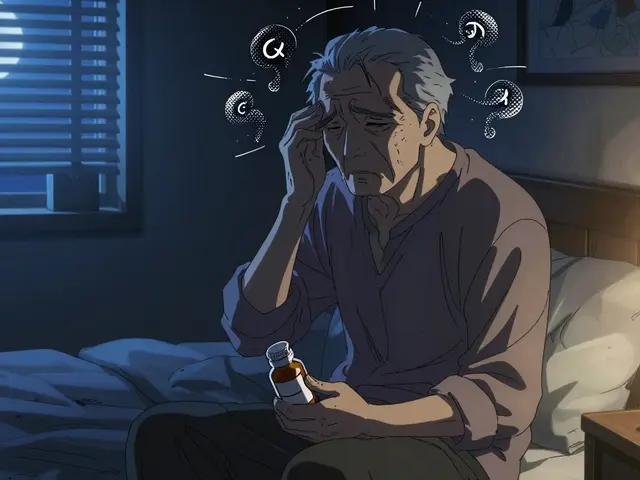
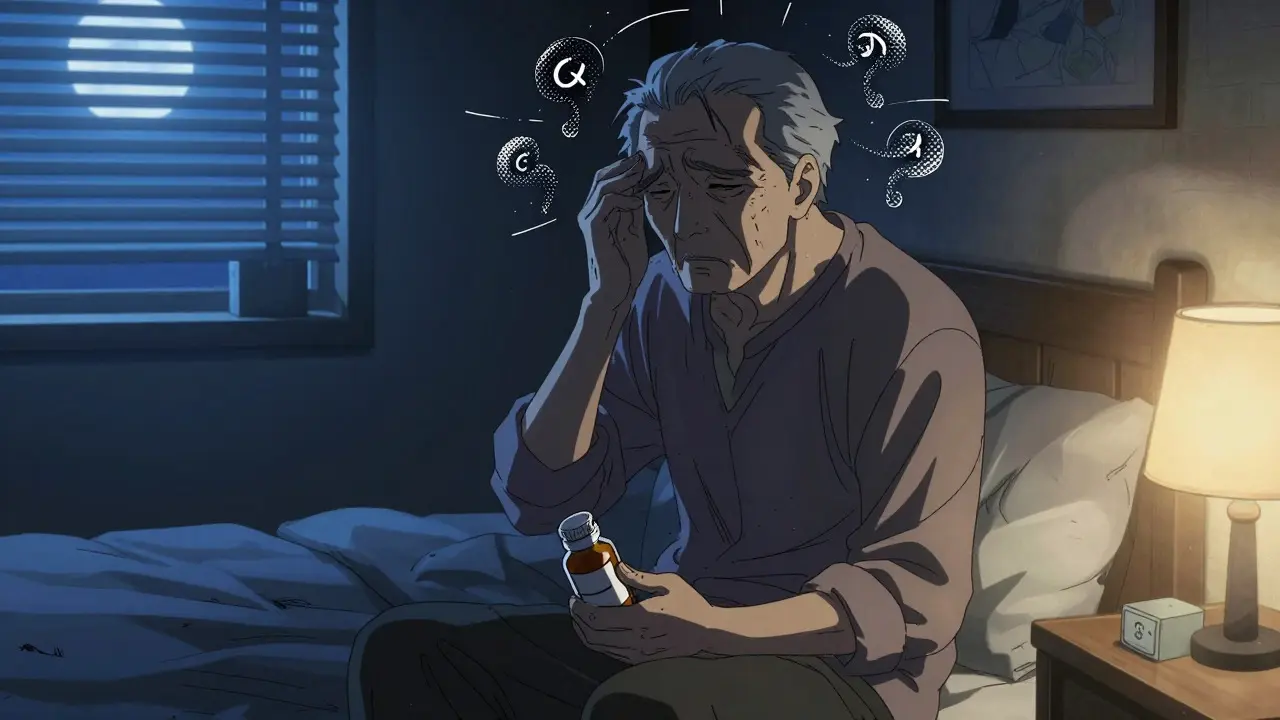
It’s a quiet Tuesday evening. An older adult takes an over-the-counter sleep aid to help them rest after a long day. The next morning, they feel groggy, their balance is off, and when they stand up too quickly, the room spins. This scenario plays out millions of times across the United States every year, often ending in a preventable fall.
We tend to view allergy medications and sleep aids as harmless household staples. But for adults aged 65 and older, certain common drugs carry hidden dangers that can lead to serious injury or even death. Specifically, sedating antihistamines are major contributors to falls in this demographic. Understanding why these medications cause instability-and how to swap them for safer alternatives-is one of the most effective ways to protect independence and safety in later life.
The Hidden Danger of First-Generation Antihistamines
Not all antihistamines are created equal. To understand the risk, we need to look at the two main generations of these drugs. First-generation antihistamines, developed in the 1940s, include well-known names like diphenhydramine (Benadryl), chlorpheniramine (Chlor-Trimeton), and brompheniramine (Dimetapp). These drugs were designed to block histamine receptors to stop itching and sneezing, but they have a significant side effect: they easily cross the blood-brain barrier.
When these chemicals enter the brain, they cause central nervous system depression. In plain terms, this means sedation, drowsiness, and slowed reaction times. For an older adult, whose body processes medications more slowly due to age-related metabolic changes, the effects are amplified. Diphenhydramine, for example, has a half-life of 8.5 hours in healthy young adults but extends to 13.5 hours in older adults. This means the drug stays in the system much longer, keeping the person sedated and unsteady for extended periods.
The statistics paint a stark picture. According to the Centers for Disease Control and Prevention (CDC), more than one in four older adults (28.7%) falls each year. A systematic review published in Osteoporosis International found that using first-generation antihistamines increases the risk of injurious falls by 54% and fracture risk by 43%. That is not a minor increase; it is a substantial threat to health.
Why Older Bodies React Differently
You might wonder why a medication that works fine for a 30-year-old becomes dangerous at 70. It comes down to physiology and pharmacokinetics. As we age, our liver and kidneys become less efficient at filtering out drugs. This leads to higher concentrations of the medication in the bloodstream for longer durations.
First-generation antihistamines also possess strong anticholinergic properties. They block acetylcholine, a neurotransmitter essential for memory, attention, and muscle control. High anticholinergic burden is linked to confusion, blurred vision, dry mouth, and constipation-all of which indirectly contribute to fall risk. If you can’t see clearly because of blurred vision, or if you’re confused about where your feet are, a trip over a rug becomes a broken hip.
A 2025 study in the Journal of the American Geriatrics Society highlighted this vulnerability. Researchers analyzed data from nearly 190,000 adults over 65 who sought care for dizziness. They found that 32% had recently filled prescriptions for vestibular suppressants, including first-generation antihistamines. Among those users, 8% experienced a fall requiring medical care within just 60 days. The connection between the drug and the fall was direct and documented.
Beers Criteria: The Gold Standard for Safety
If you are unsure whether a medication is safe for an older adult, check the Beers Criteria. Published by the American Geriatrics Society, this list identifies medications that are potentially inappropriate for use in older adults due to risks outweighing benefits.
First-generation antihistamines are explicitly listed on the Beers Criteria as "potentially inappropriate." The criteria cite cognitive impairment, falls, confusion, and urinary retention as primary reasons to avoid them. Despite this clear guidance, prescribing patterns often lag behind science. A 2019 study in the British Journal of Dermatology noted that dermatologists prescribed first-generation antihistamines to older adults at similar rates as younger patients, ignoring the heightened risks associated with aging bodies.
Healthcare providers, including doctors and pharmacists, should routinely screen patients against the Beers Criteria. If an older adult is taking diphenhydramine for sleep or allergies, it is a red flag that warrants immediate review.

Safer Alternatives: Second-Generation Antihistamines
Good news: you don’t have to live with allergies or insomnia without treatment. You just need to choose the right tool. Second-generation antihistamines were developed to minimize entry into the brain. Drugs like loratadine (Claritin), cetirizine (Zyrtec), and fexofenadine (Allegra) provide relief from allergy symptoms with significantly less sedation.
| Feature | First-Generation (e.g., Diphenhydramine) | Second-Generation (e.g., Fexofenadine) |
|---|---|---|
| Brain Penetration | High (Crosses blood-brain barrier) | Low (Minimal CNS entry) |
| Fall Risk Increase | 54% higher risk of injury | No significant increase |
| Anticholinergic Burden | High (Score 3-4) | Low (Score 0-1) |
| Sedation Rate | 15-20% | 6-14% (varies by drug) |
| Beers Criteria Status | Avoid | Generally Safe |
Even among second-generation options, there are nuances. Cetirizine can still cause mild sedation in about 14% of older adults, whereas fexofenadine causes drowsiness in only 6%. When switching medications, always consult a healthcare provider to ensure the new drug doesn’t interact with other conditions or prescriptions.
Practical Prevention Strategies: The STOP-SWITCH-REDUCE Model
The CDC’s STEADI initiative (Stopping Elderly Accidents, Deaths & Injuries) offers a clear framework for managing medication-related fall risks. Here is how you can apply it:
- STOP: Discontinue high-risk medications when possible. If an older adult is taking diphenhydramine solely for sleep, consider stopping it entirely. Non-pharmacological sleep hygiene-such as maintaining a consistent schedule, limiting caffeine after noon, and creating a dark, cool sleeping environment-is often more effective and safer long-term.
- SWITCH: Replace dangerous drugs with safer alternatives. Swap Benadryl for loratadine or fexofenadine for daytime allergy relief. For nighttime symptoms, discuss non-sedating options with a doctor rather than defaulting to first-generation agents.
- REDUCE: Lower the dose to the minimum effective amount. If an antihistamine is absolutely necessary, using half the standard dose (e.g., 12.5mg instead of 25mg) can reduce side effects while still providing some benefit.
Pharmacists play a crucial role here. Studies show that pharmacist-led medication reviews can reduce fall risk by 26%. Consider scheduling a "brown bag review" at your local pharmacy. Bring all prescription bottles, over-the-counter meds, and supplements. The pharmacist can identify interactions and suggest safer swaps.

Non-Pharmacological Approaches to Allergy Relief
Medication isn’t the only way to manage allergies. Reducing exposure to allergens can decrease the need for drugs altogether. Simple environmental changes can make a big difference:
- Nasal Saline Irrigation: Using a neti pot or saline spray can flush out allergens from nasal passages. Research in JAMA Otolaryngology suggests this can reduce allergy symptoms by 35-40%.
- Allergen-Proof Bedding: Dust mites are a common trigger. Encasing mattresses and pillows in allergen-proof covers can reduce dust mite exposure by up to 83%.
- HEPA Air Filtration: High-efficiency particulate air filters can remove 99.97% of airborne allergens, including pollen and pet dander, from indoor spaces.
These strategies address the root cause of allergies rather than masking symptoms with sedating drugs, thereby eliminating the associated fall risk.
Environmental Modifications to Support Safety
While medication management is critical, home safety measures provide an extra layer of protection. Even with the safest medications, older adults remain vulnerable to trips and slips. Implementing these changes can further mitigate risk:
- Improve Lighting: Install brighter bulbs in hallways, staircases, and bathrooms. Poor lighting contributes to 32% of falls.
- Install Grab Bars: Secure bars in the shower and next to the toilet can reduce fall risk by 28%.
- Remove Tripping Hazards: Clear clutter, secure loose rugs with non-slip pads, and keep walkways free of cords.
Combining medication optimization with environmental safety creates a comprehensive defense against falls.
What About New Developments?
The medical community is actively working on better solutions. The 2025 update to the Beers Criteria strengthened warnings against first-generation antihistamines. Additionally, the FDA required stronger labels on OTC sleep aids containing diphenhydramine in 2020, warning users with specific conditions to consult a doctor before use.
Looking ahead, researchers are developing next-generation antihistamines designed specifically for older adults. Two candidates currently in Phase II trials aim to provide allergy relief with minimal central nervous system penetration, showing an 89% reduction in drowsiness compared to traditional diphenhydramine. Until these hit the market, sticking to established safer alternatives remains the best course of action.
Is Benadryl safe for seniors to take for sleep?
Generally, no. The American Geriatrics Society lists diphenhydramine (Benadryl) as potentially inappropriate for older adults due to its high anticholinergic burden and link to falls, confusion, and cognitive decline. Non-pharmacological sleep interventions or melatonin are often safer alternatives.
Which antihistamine is least likely to cause drowsiness?
Fexofenadine (Allegra) is considered one of the least sedating antihistamines, causing drowsiness in only about 6% of older adults. Loratadine (Claritin) is also a good low-sedation option. Avoid first-generation drugs like diphenhydramine and chlorpheniramine.
How long does the effect of diphenhydramine last in older adults?
In older adults, the half-life of diphenhydramine can extend to 13.5 hours, meaning the drug stays in the system much longer than in younger people. Peak sedative effects occur 1-3 hours after taking it but can impair balance and coordination for 6-8 hours or more.
What is the Beers Criteria?
The Beers Criteria is a clinical guideline published by the American Geriatrics Society that lists medications deemed potentially inappropriate for older adults. It helps doctors and pharmacists avoid prescribing drugs where the risks (like falls or confusion) outweigh the benefits.
Can I switch from Benadryl to Zyrtec safely?
Yes, switching from a first-generation antihistamine like Benadryl to a second-generation one like cetirizine (Zyrtec) or fexofenadine (Allegra) is generally safer and reduces fall risk. However, always consult your doctor or pharmacist first to ensure the new medication doesn't interact with other conditions or drugs you are taking.
Does the CDC recommend any specific programs for fall prevention?
Yes, the CDC recommends the STEADI (Stopping Elderly Accidents, Deaths & Injuries) initiative. It provides tools for healthcare providers and older adults to assess fall risk, review medications, and implement safety strategies like strength training and home modifications.