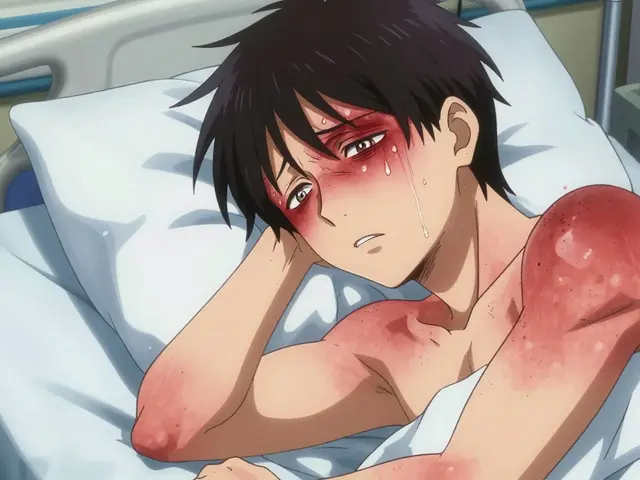
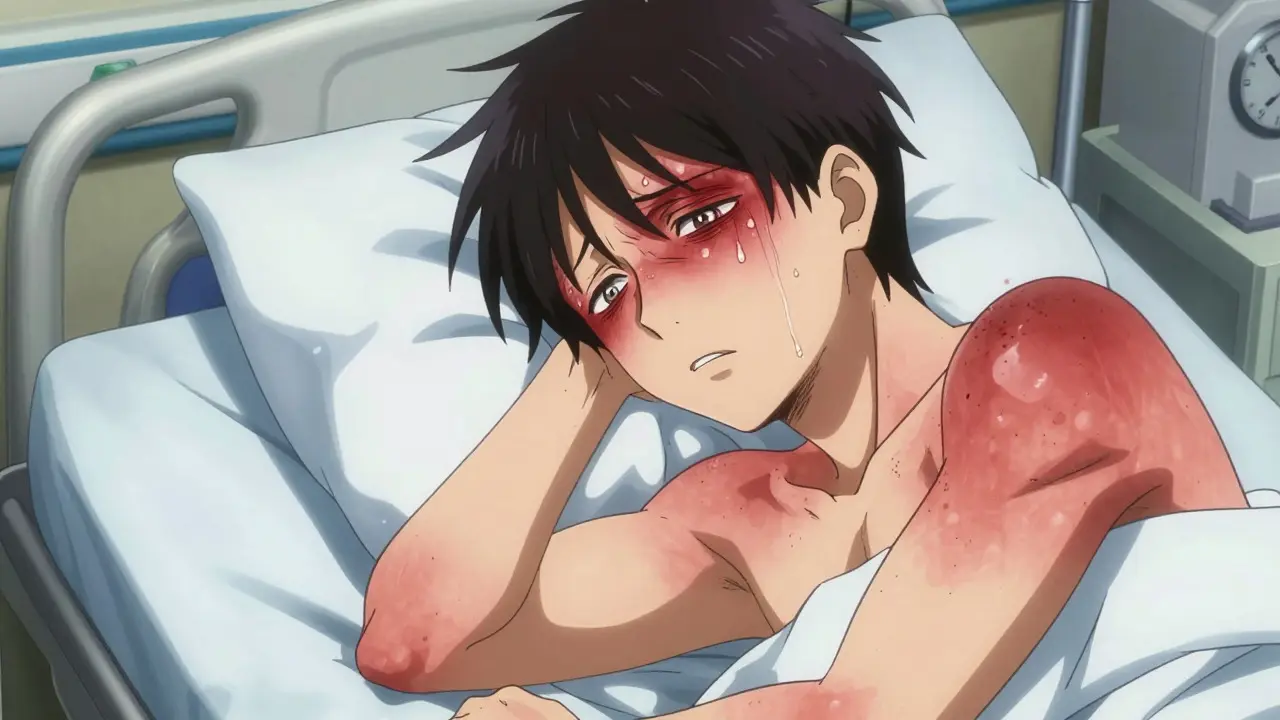
Imagine starting a new medication for gout or seizures, only to develop a high fever and a spreading rash weeks later. You might think it’s just a mild allergy or the flu, but your body is actually fighting a much more dangerous battle. This condition is known as DRESS syndrome, which stands for Drug Reaction with Eosinophilia and Systemic Symptoms. It is not just a skin issue; it is a severe, potentially life-threatening immune response that affects multiple organs.
DRESS is classified as a Severe Cutaneous Adverse Reaction (SCAR). Unlike common rashes that appear within hours of taking a pill, DRESS has a deceptive delay. Symptoms typically show up two to eight weeks after you start the offending drug. Because of this long gap, many patients and even doctors miss the connection between the new medication and the sudden illness. Early recognition is critical because stopping the drug quickly can reduce mortality rates significantly.
Recognizing the Warning Signs of DRESS
The hallmark of DRESS is a specific triad of symptoms: fever, rash, and blood abnormalities. The onset usually begins with a prodrome, which feels like a bad case of the flu. You may experience malaise, a sore throat, and swollen lymph nodes. Within a day or two, a high fever exceeding 38°C (100.4°F) sets in.
Then comes the rash. In about 80% to 90% of cases, the skin eruption is morbilliform, meaning it looks like measles. It starts on the face and upper chest before spreading rapidly across the body. While it can sometimes be maculopapular or vesicular, the widespread nature is key. However, the real danger lies beneath the surface. Your white blood cell count will spike, specifically showing eosinophilia (high levels of eosinophils) and atypical lymphocytes.
- Fever: Persistent temperature above 38°C.
- Skin Rash: Widespread, often starting on the face and neck.
- Lymphadenopathy: Swollen lymph nodes in the neck or armpits.
- Facial Edema: Significant swelling of the face, particularly around the eyes.
If you notice these symptoms appearing several weeks after starting a new prescription, do not ignore them. Contact your healthcare provider immediately.
Common Culprit Drugs
Not all medications trigger DRESS, but certain classes are far more likely than others. Knowing which drugs carry the highest risk can help you stay vigilant.
| Drug Class | Specific Examples | Estimated Contribution to Cases |
|---|---|---|
| Urate-Lowering Agents | Allopurinol | 40-50% |
| Antiepileptics | Carbamazepine, Phenytoin, Lamotrigine | 20-30% |
| Antibiotics | Sulfonamides (e.g., Trimethoprim-Sulfamethoxazole) | 10-15% |
| Other Anticonvulsants | Oxcarbazepine, Phenobarbital | Variable |
Allopurinol is the single most common cause, responsible for nearly half of all DRESS cases. This risk is significantly higher in patients with chronic kidney disease. Genetic factors also play a huge role. For instance, individuals carrying the HLA-B*58:01 allele have an 80-90% sensitivity to allopurinol-induced DRESS. Regulatory bodies like the FDA now recommend genetic screening for this allele in high-risk populations before prescribing allopurinol.
How DRESS Differs from Other Skin Reactions
It is easy to confuse DRESS with other severe drug reactions like Stevens-Johnson Syndrome (SJS) or Toxic Epidermal Necrolysis (TEN). However, the timelines and mechanisms are different. SJS and TEN usually strike faster, within one to four weeks of exposure. They are characterized by blistering and peeling of the skin, whereas DRESS involves swelling and solid rashes without significant skin detachment.
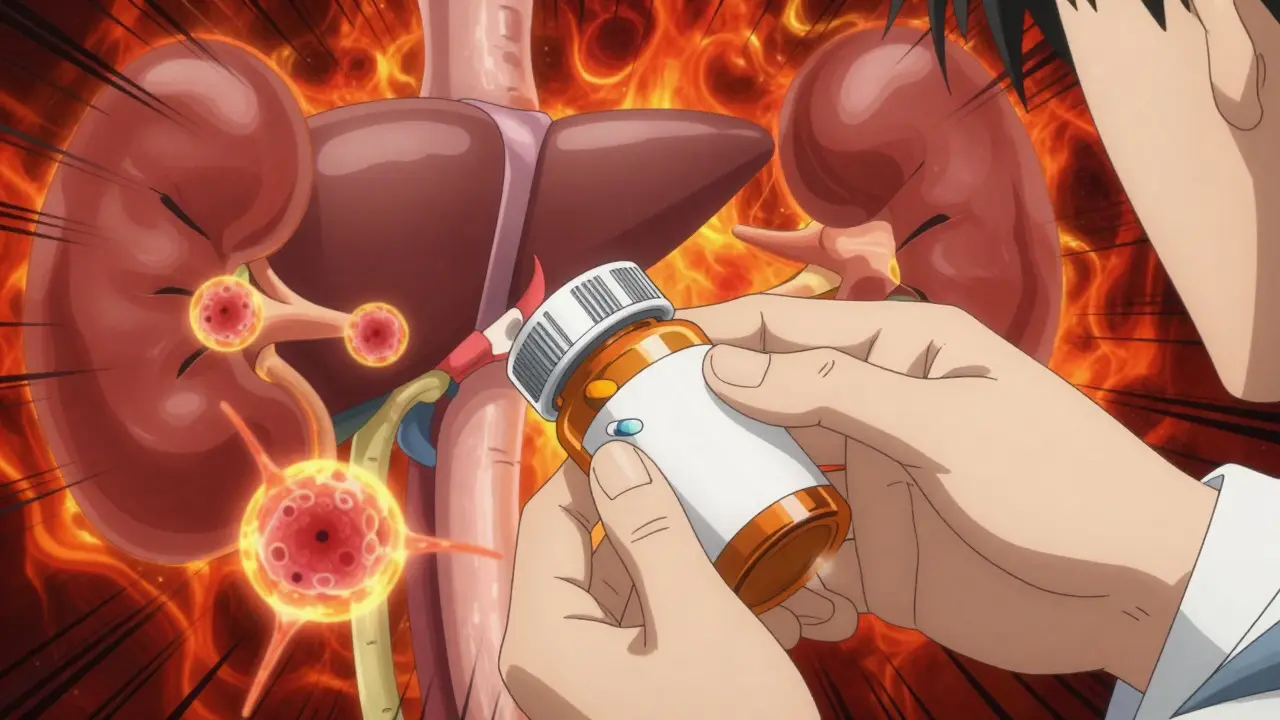
DRESS is unique because of its systemic nature. It doesn't just stop at the skin. Internal organs take a beating. Liver involvement occurs in 70-90% of cases, often leading to fulminant hepatitis with ALT levels soaring past 1,000 U/L. Kidneys are affected in 10-30% of patients, and lungs can become involved in up to 20% of cases. This multi-organ failure is what makes DRESS so deadly, with a mortality rate of approximately 10%.
Diagnosis and Testing Criteria
Diagnosing DRESS requires a combination of clinical observation and laboratory tests. Doctors use the RegiSCAR criteria to confirm the diagnosis. To meet the threshold for "definite" DRESS, a patient must be hospitalized and exhibit at least three of the following features:
- Acute skin rash requiring hospitalization.
- Fever greater than 38°C.
- Lymphadenopathy (swollen lymph nodes) at two or more sites.
- Eosinophilia greater than 1,500 cells/μL or greater than 10% of total white blood cells.
- Involvement of at least one internal organ (liver, kidneys, lungs).
Blood tests are crucial here. A complete blood count (CBC) will reveal the eosinophilia and atypical lymphocytes mentioned earlier. Liver function tests (LFTs) and renal panels monitor organ damage. Additionally, researchers have found that Human Herpesvirus 6 (HHV-6) reactivation occurs in 60-70% of DRESS cases. While it is debated whether HHV-6 causes the severity or is just a bystander, testing for it can support the diagnosis.
Treatment Protocols and Management
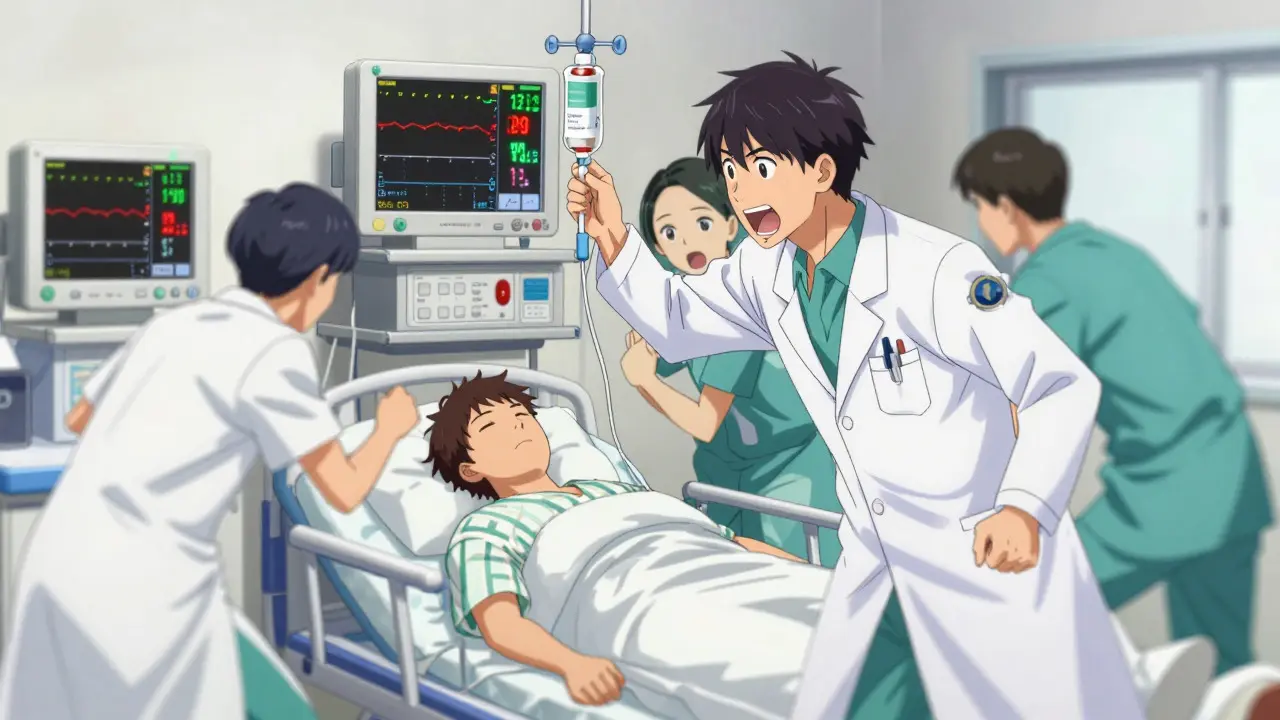
The moment DRESS is suspected, the first rule is absolute: stop the offending drug immediately. Studies show that discontinuing the medication within 24 hours of symptom recognition reduces mortality from 15% to 5%. Delaying this step allows the immune system to continue attacking healthy tissues.
Most patients require hospitalization, often in intensive care units, for 14 to 21 days. The primary treatment involves systemic corticosteroids. Prednisone or methylprednisolone is typically prescribed at doses of 0.5 to 1 mg/kg/day. These steroids suppress the overactive immune response. The tapering process is slow, usually lasting 4 to 8 weeks, to prevent rebound inflammation.
For cases that do not respond to steroids, newer biologic therapies are being explored. Recent research indicates that anakinra, an IL-1 receptor antagonist, combined with steroids can reduce hospital stays significantly. Supportive care is equally important. Patients are at high risk for infections due to immune suppression and skin barrier breakdown. Strict infection control protocols are necessary to prevent secondary bacterial or fungal infections.
Long-Term Outlook and Prevention
Surviving DRESS is a major milestone, but the journey isn't always over. About 20-30% of survivors experience persistent organ damage, particularly renal impairment, requiring ongoing nephrology follow-up. There is also a small risk of developing autoimmune diseases later, such as Graves' disease or type 1 diabetes, as the immune system remains dysregulated.
Prevention is the best strategy. If you have had DRESS, you must avoid the culprit drug forever. Cross-reactivity is a concern; if you reacted to carbamazepine, you might react to oxcarbazepine. Keep a detailed medical record and wear a medical alert bracelet. For conditions like gout, discussing alternative treatments like febuxostat with your doctor-especially if you have kidney issues-can drastically lower your risk.
How long does it take for DRESS symptoms to appear?
DRESS syndrome has a delayed onset, typically appearing 2 to 8 weeks after starting the triggering medication. This long latency period makes it difficult to link the symptoms directly to the new drug, unlike immediate allergic reactions.
Is DRESS syndrome fatal?
Yes, DRESS has a mortality rate of approximately 10%. Death usually results from liver failure (fulminant hepatitis), kidney failure, or severe infections. However, early diagnosis and immediate cessation of the offending drug can significantly improve survival rates.
What is the difference between DRESS and Stevens-Johnson Syndrome?
While both are severe cutaneous adverse reactions, they differ in mechanism and presentation. SJS involves blistering and skin detachment (peeling) and appears sooner (1-4 weeks). DRESS presents with swelling, solid rashes, and multi-organ involvement, appearing later (2-8 weeks). DRESS is driven by eosinophils and T-cells, while SJS is driven by cytotoxic T-cells causing keratinocyte death.
Can DRESS come back after treatment?
If the offending drug is reintroduced, DRESS will almost certainly return, often more severely. Even without reintroduction, some patients experience a prolonged course due to viral reactivation (like HHV-6) or autoimmune sequelae. Long-term monitoring is essential for those who have survived the acute phase.
Who is at highest risk for developing DRESS?
Risk is determined by both genetics and medication type. Patients taking allopurinol with reduced kidney function are at extremely high risk. Genetic markers like HLA-B*58:01 strongly predispose individuals to allopurinol-induced DRESS. Similarly, certain HLA alleles increase risk for antiepileptic drugs.