When a patient suffers a severe reaction to a medication, the identity of the drug matters less than the speed and accuracy of the report. Yet, in the world of generic drugs, which make up roughly 90% of prescriptions in the United States, there is a dangerous blind spot. Despite identical regulatory requirements, serious adverse event (SAE) reports for generics are significantly underreported compared to brand-name counterparts. This gap isn't just a statistic; it represents real patients whose safety signals might be missed because the system struggles to track which specific manufacturer produced the pill they took.
The regulatory framework treats all drugs equally on paper, but practical implementation tells a different story. If you are a healthcare provider, pharmacist, or patient advocate, understanding these procedures is critical. You need to know not just *how* to file a report, but how to navigate the unique hurdles that come with generic medications-specifically, identifying the manufacturer when the bottle label offers little clarity.
Defining Serious Adverse Events and Regulatory Obligations
To report correctly, you first need to define what qualifies as a "serious" adverse event. The U.S. Food and Drug Administration (FDA) has strict criteria. An event is considered serious if it results in death, is life-threatening, requires hospitalization or prolongs existing hospitalization, causes persistent or significant disability/incapacity, constitutes a congenital anomaly/birth defect, or requires intervention to prevent permanent impairment.
Under 21 CFR 312.64(b), investigators must report any adverse effect reasonably regarded as caused by the drug to sponsors promptly. Sponsors, in turn, must notify the FDA of any serious and unexpected adverse experience within specific timeframes. For generic manufacturers, this means submitting reports within 15 calendar days of receiving the information. In the European Union, the European Medicines Agency (EMA) enforces even tighter deadlines: fatal or life-threatening unexpected adverse drug reactions (ADRs) require notification within 7 calendar days, followed by a complete report within an additional 8 days.
The key takeaway here is that the law does not distinguish between brand and generic. The obligation is universal. However, the *execution* of this obligation reveals a stark disparity in industry practices.
The Reporting Gap: Brand vs. Generic Disparities
If regulations are equal, why do data patterns show such a lopsided distribution? Research published in the NIH PMC database (2018) analyzing FDA Adverse Event Reporting System (FAERS) data from 2004-2015 highlights a systemic issue. While brand drugs accounted for only about 1% of dispensed prescriptions for widely used medications, brand manufacturers submitted approximately 68% of all serious adverse event reports.
| Metric | Brand-Name Drugs | Generic Drugs |
|---|---|---|
| Market Share (Prescriptions) | ~10% | ~90% |
| Share of SAE Reports Submitted | ~68% | ~32% |
| Dedicated Pharmacovigilance Departments | 98% of manufacturers | 42% of manufacturers |
| Avg. Time to Identify Manufacturer for Reporting | < 5 minutes | 10-45+ minutes |
This discrepancy persists even after generic entry into the market. A study on losartan showed a statistically significant increase in adverse event reporting trends after generic entry, yet the reports still disproportionately favored the originator brand. Dr. Daniel Korn, Director of the Division of Pharmacovigilance I at the FDA, noted in a 2019 workshop that this underreporting creates a "significant gap in our post-marketing surveillance system." The implication is clear: we have incomplete safety profiles for the drugs most people are actually taking.
Practical Challenges in Identifying Generic Manufacturers
The primary bottleneck in generic SAE reporting is identification. When a patient reacts to a brand-name drug, the manufacturer is obvious. With generics, pharmacies frequently switch suppliers based on cost or availability. A patient might take a generic metoprolol from Manufacturer A in January and Manufacturer B in February, often without knowing the difference.
Healthcare professionals face immense friction here. A 2020 survey by the Institute for Safe Medication Practices (ISMP) found that 68% of providers reported difficulty identifying the specific generic manufacturer when submitting reports, compared to only 12% for brand-name drugs. On the Doximity platform, family physician Dr. Robert Kim shared a common frustration: "I've had multiple cases where patients experienced reactions to generic levothyroxine, but the reporting form requires the manufacturer name which patients rarely know, so I often end up reporting to the brand manufacturer by default."
This misdirection dilutes the data. If you report a generic adverse event to the brand manufacturer, the signal never reaches the actual maker of the problematic batch. The FDA’s own 2019 MedWatch usability study documented that 42% of healthcare providers abandoned adverse event reports for generics due to uncertainty about the specific manufacturer.

Step-by-Step Procedure for Accurate Generic SAE Reporting
To ensure your report contributes to accurate safety monitoring, follow these steps meticulously. Accuracy is more important than speed when dealing with generics, though both matter.
- Verify the Event Severity: Confirm the event meets the FDA’s definition of "serious" (fatal, life-threatening, hospitalized, etc.). If it does not meet these criteria, it may still be worth reporting as an adverse event, but it does not trigger the same urgent timelines.
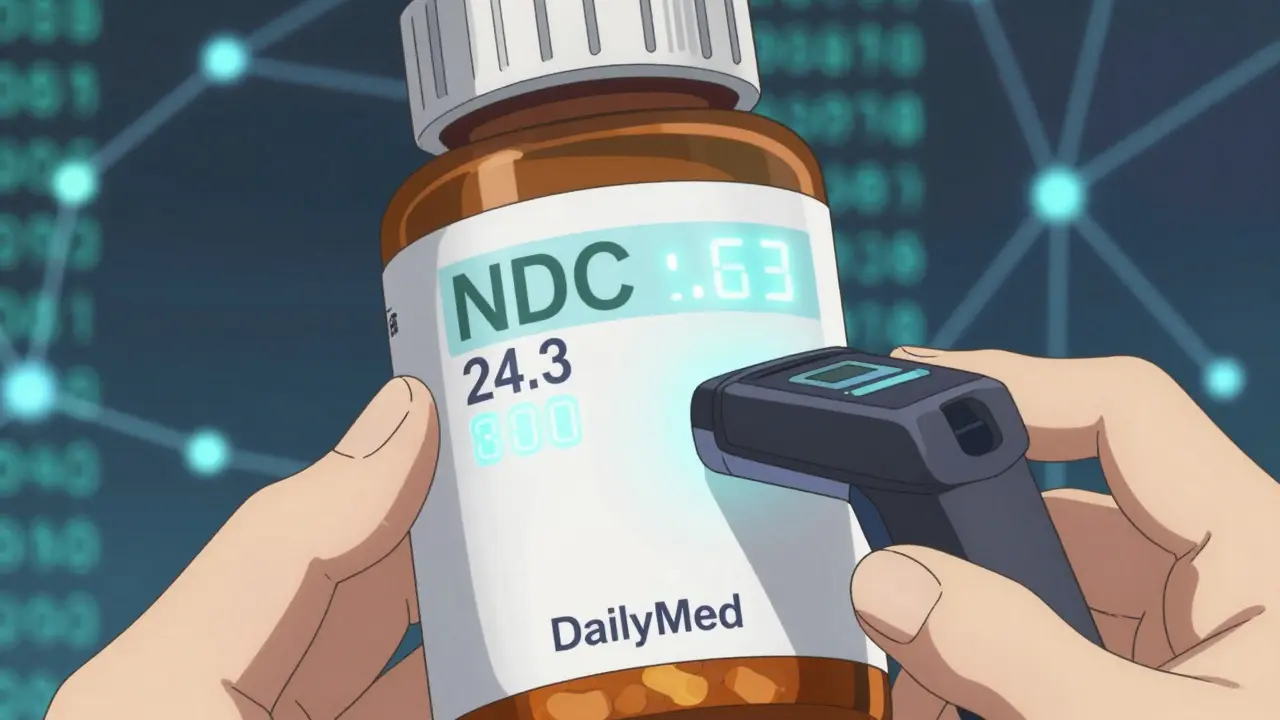
- Identify the Specific Product: Do not rely on the prescription label alone if it only says "Generic." Check the physical medication bottle. Look for the National Drug Code (NDC) number. This 11-digit code uniquely identifies the labeler (manufacturer), product, and trade package size.
- Decode the NDC: Use the National Library of Medicine's DailyMed database to look up the NDC. This will tell you exactly which company manufactured the specific pills the patient took. This step adds about 10 minutes to your workflow but is crucial for data integrity.
- Access the Reporting Portal: Go to the FDA MedWatch program. You can use Form 3500A (for health professionals) or the online portal. Ensure you select "Generic Name" rather than "Brand Name" in the product fields.
- Enter Detailed Information: Include the active ingredient name, the manufacturer name (derived from the NDC lookup), and the lot number if available. Describe the reaction fully, including body site, severity, start date, and time of onset.
- Submit and Document: Submit the report electronically. Keep a copy of the submission confirmation. Under 21 CFR 310.305, manufacturers must maintain records for 10 years, but as a reporter, keeping your own record ensures you can follow up if the FDA requests clarification.
Industry Trends and Future Improvements
The landscape is slowly shifting. The FDA’s Generic Drug User Fee Amendments (GDUFA III, 2023-2027) allocated $15 million specifically for enhancing post-market safety monitoring of generic drugs. Furthermore, the FDA implemented FAERS 2.0 in 2023, which enhances the ability to link adverse events to specific generic manufacturers through improved NDC code tracking.
In June 2023, the FDA issued draft guidance proposing that pharmacies include manufacturer information on all prescription labels to facilitate accurate reporting. Additionally, a 2024 pilot program with major pharmacy chains aims to automatically capture manufacturer information at the point of dispensing. Preliminary modeling suggests this could increase generic AE reporting completeness by 55% within three years.
For healthcare institutions, adopting technology is the immediate solution. The American Society of Health-System Pharmacists (ASHP) recommends implementing barcode scanning of medication containers. Pilot studies at 12 hospital systems showed this increased generic AE reporting accuracy by 63%. If you work in a hospital setting, advocate for this integration-it removes the human error element from manufacturer identification.
What is the deadline for reporting a serious adverse event for a generic drug?
In the United States, generic manufacturers must submit reports of serious and unexpected adverse drug reactions to the FDA within 15 calendar days of receiving the information. In the European Union, the EMA requires notification of fatal or life-threatening unexpected ADRs within 7 calendar days, with a full report due within an additional 8 days.
Why are generic drugs underreported compared to brand-name drugs?
The primary reason is the difficulty in identifying the specific manufacturer. Pharmacies often switch generic suppliers, and patients rarely know who made their specific pill. This leads to confusion during reporting, causing many healthcare providers to abandon the process or incorrectly report to the brand manufacturer instead.
How can I find the manufacturer of a generic drug if it's not clearly listed?
Look for the National Drug Code (NDC) on the medication bottle or packaging. Enter this 11-digit code into the National Library of Medicine's DailyMed database. This will provide the exact name of the manufacturer (labeler) associated with that specific batch.
Does the FDA treat generic drugs differently from brand drugs in terms of safety regulation?
No, the regulatory framework is identical. Both brand and generic manufacturers are required to report serious and unexpected adverse events under the same laws (e.g., 21 CFR 312.64). The disparity lies in the execution and resources dedicated to pharmacovigilance, not the legal requirements.
What is FAERS and why is it important for generic drugs?
FAERS (FDA Adverse Event Reporting System) is the FDA's primary database for collecting safety reports. It is crucial for generic drugs because it allows regulators to detect safety signals. Recent updates (FAERS 2.0) have improved the system's ability to track adverse events back to specific generic manufacturers using NDC codes, helping to close the reporting gap.