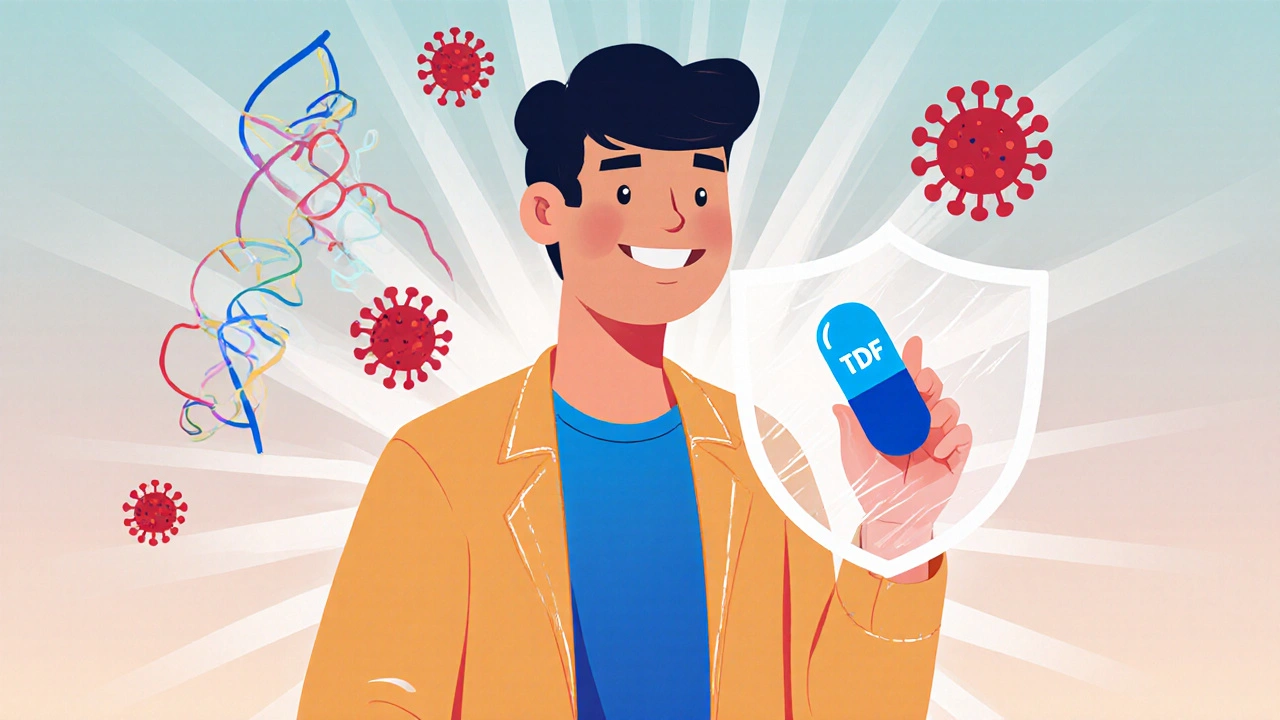
Transmission Reduction
When dealing with Transmission Reduction, the set of actions aimed at lowering the spread of infectious agents. Also known as disease spread control, it is a cornerstone of public health. The concept transmission reduction encompasses Infection Control, systems and practices that prevent pathogens from moving between people. It also requires reliable Medication Adherence, taking prescribed drugs exactly as directed, because missed doses can let germs linger and spread. In everyday life, the goal is simple: cut the chain that lets a virus, bacteria, or parasite jump from one host to another.
Key Strategies for Transmission Reduction
One of the most direct tools is Antibiotics, drugs that kill or inhibit bacteria, helping to curb contagious illnesses. Articles on metronidazole for kids and doxycycline comparisons show how targeted antibiotics can stop bacterial infections before they become community threats. When a patient finishes the full course, the bacterial load drops, making it harder for the disease to jump to classmates, coworkers, or family members. This is why proper dosing charts and side‑effect warnings matter—they keep the treatment effective and safe.
Beyond drugs, public health measures act as a safety net. Simple habits like regular hand washing, using masks during outbreaks, and keeping indoor spaces ventilated all influence transmission reduction by breaking the physical pathways germs use. When a community embraces these habits, even highly contagious viruses find fewer doors to open. The posts about seasonal allergies triggering asthma illustrate how managing one condition can indirectly reduce exposure to irritants that worsen respiratory spread.
Vaccination is the heavyweight champion of transmission reduction. While none of the listed articles focus on vaccines directly, the principle still applies: immunizing a large portion of the population creates herd immunity, which shields the vulnerable and cuts overall case numbers. In the same way that a well‑chosen antibiotic stops a bacterial outbreak, a well‑planned vaccine program stops a viral wave before it takes off.
Another often‑overlooked factor is patient education. The sulfasalazine and iron‑folic acid articles stress that knowing why and how a medication works boosts adherence. When patients understand that completing a course not only helps them feel better but also protects others, they become active participants in transmission reduction. Clear instructions, side‑effect monitoring, and realistic dosing schedules turn passive prescriptions into community‑level defense tools.
Supplemental support can also play a role. Iron‑folic acid, for instance, improves overall immune resilience, making it less likely for a person to become a super‑spreader during a cold or flu season. Similarly, antihistamines like Zyrtec reduce sneezing bouts, which are a common way viruses travel through the air. By dampening these natural expulsion mechanisms, such drugs indirectly lower the odds of passing pathogens to nearby people.
Technology and access matter too. The guides on buying cheap generics online show how affordable medication can reach more people, especially in low‑resource settings. When cost isn’t a barrier, more individuals can complete their treatment courses, which translates to fewer untreated infections roaming around. Safe online pharmacies become a conduit for broader transmission reduction by ensuring timely and correct drug delivery.
Lastly, lifestyle choices such as stress management, proper nutrition, and regular exercise fortify the body’s defenses. The panic disorder and anxiety articles explain that high stress can weaken immunity, opening doors for infections to take hold and spread. By keeping stress in check, individuals reduce the chance that a minor bug becomes a major outbreak.
All these pieces—antibiotics, public health habits, vaccines, education, supplements, affordable access, and healthy living—fit together like a puzzle. Together they form a multi‑layered strategy that makes transmission reduction practical and achievable for anyone, whether you’re a parent, a student, or a retiree. Below you’ll find a curated list of articles that dive deeper into each of these areas, giving you the details you need to put these ideas into action.