Rotator Cuff Surgery: What It Is, Recovery, and What to Expect
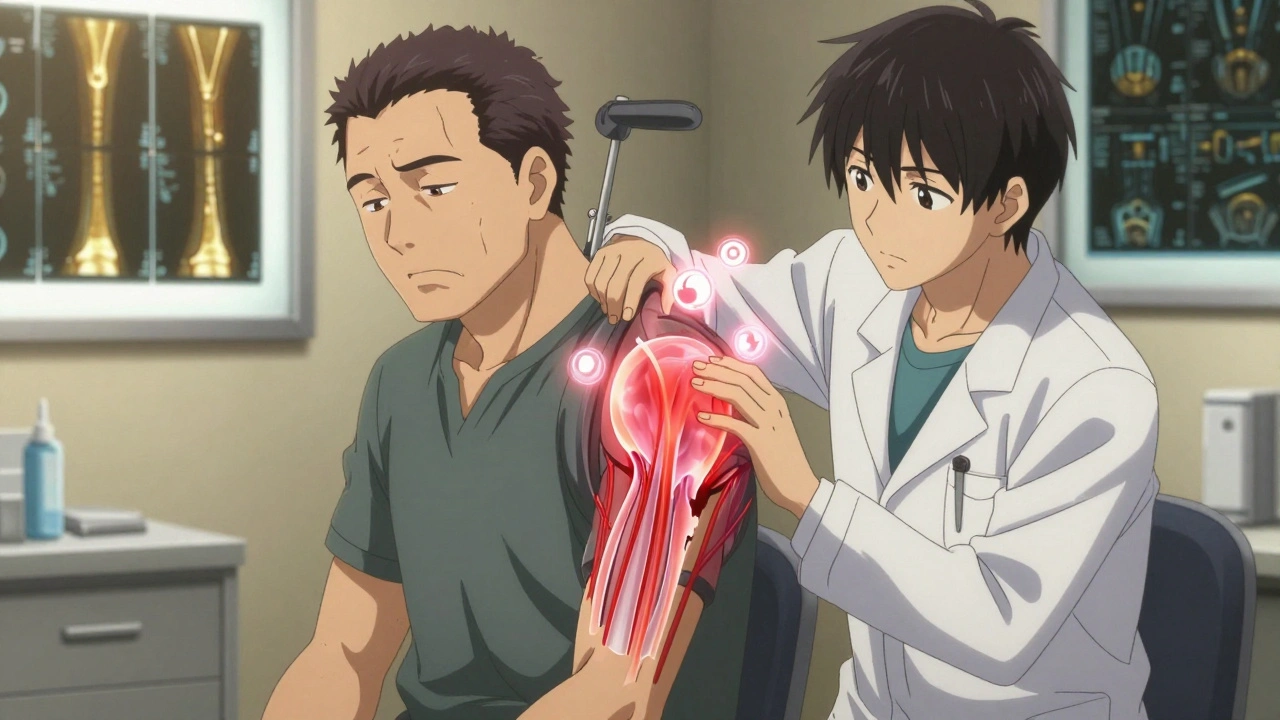
When your rotator cuff, a group of four tendons and muscles that stabilize the shoulder joint. Also known as shoulder tendon complex, it rotator cuff tears from overuse, injury, or aging, it doesn't heal on its own. That's when rotator cuff surgery, a procedure to reattach torn tendons to the upper arm bone becomes the next step. Without it, many people lose the ability to lift their arm, reach behind their back, or even sleep without pain.
Most rotator cuff surgery is done arthroscopically — small cuts, a camera, and tiny tools. It’s not open-heart surgery, but it’s still major. The goal isn’t just to fix the tear — it’s to restore function. Recovery isn’t just about healing the tissue; it’s about rebuilding strength, coordination, and confidence. People often think once the stitches are out, they’re done. But the real work starts after surgery. Physical therapy isn’t optional — it’s the difference between getting your shoulder back and living with stiffness or weakness for years.
Not everyone needs surgery. Some tears respond to rest, physical therapy, and anti-inflammatories. But if you’ve tried months of rehab and still can’t raise your arm, or if you tore it from a fall or sports injury, surgery is often the best path. Age matters too — younger, active people tend to recover better than older adults with long-standing degeneration. But even seniors can regain daily function if they stick to the plan.
What happens after surgery? You’ll wear a sling for weeks. No lifting. No reaching. No driving. That’s hard. But pushing too soon can rip the repair. Your therapist will guide you through gentle motion, then strength, then function. Most people see big improvements in 3 to 6 months. Full recovery can take up to a year. The key? Patience. Consistency. And listening to your body — not your frustration.
There are risks — infection, stiffness, nerve damage — but they’re rare with experienced surgeons. More common? People quitting therapy too early or skipping follow-ups. The best outcomes come from those who treat rehab like a job — show up, do the work, even when it hurts.
Below, you’ll find real stories and facts from people who’ve been through this. From what to ask your surgeon before the cut, to the exact exercises that help most, to how to handle insurance and time off work. These aren’t generic tips. They’re what actually works — based on what patients and doctors have learned the hard way.
Rotator cuff tears are common, especially after 40. Learn how imaging like MRI and ultrasound diagnose tears, why rehab often works better than surgery, and what to expect if you need an operation.