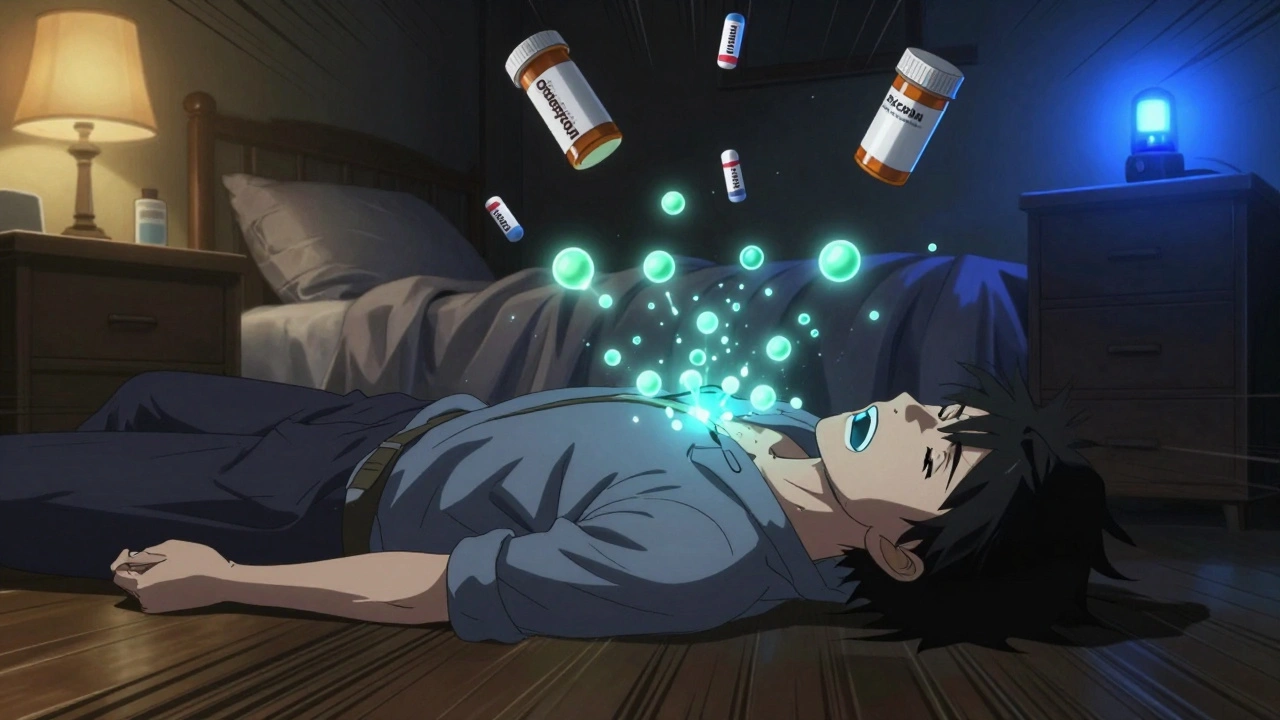
Respiratory Depression: Causes, Risks, and What You Need to Know
When your breathing slows down too much, it’s not just uncomfortable—it’s life-threatening. This is respiratory depression, a dangerous drop in breathing rate or depth that reduces oxygen intake and can lead to unconsciousness or death. Also known as hypoventilation, it doesn’t always come with obvious warning signs, which is why so many cases go unnoticed until it’s too late.
It’s not just about overdosing on painkillers. opioid overdose, a leading cause of respiratory depression, happens when drugs like oxycodone, fentanyl, or heroin suppress the brain’s drive to breathe. But it’s not only opioids. MAO inhibitors, used for severe depression, can also trigger this effect when mixed with other meds or even certain foods. Even sleep aids, muscle relaxants, or benzodiazepines—when taken together—can push your breathing into dangerous territory. You don’t need to take a huge dose. Sometimes, just combining two common prescriptions is enough.
What makes respiratory depression so sneaky is that it often starts slowly. You might feel unusually drowsy, confused, or sluggish. Loved ones might notice you’re breathing slower than usual—maybe only 8 breaths a minute instead of 12 to 20. Your lips or fingertips might turn blue. In older adults or people with lung conditions, it can happen even at normal doses. And here’s the scary part: if you’re taking opioids for chronic pain, your body might build tolerance to the pain relief—but not to the breathing suppression. That’s why so many overdoses happen in people who think they’re "used to it."
What You Can Do
If you or someone you know is on medications linked to respiratory depression, knowing the signs isn’t optional—it’s survival. Keep naloxone on hand if opioids are part of your regimen. Never mix sedatives without talking to your doctor. And if you ever feel like you can’t catch your breath—or someone else is breathing too slowly—don’t wait. Call for help immediately.
The posts below cover real cases, hidden risks, and practical steps to stay safe. From how MAO inhibitors interact with common meds to why opioid use can silently slow your breathing over time, you’ll find clear, no-fluff info that matters. This isn’t theory. It’s what keeps people alive.
Combining sedating medications like opioids, benzodiazepines, and sleep aids can cause deadly respiratory depression. Learn the most dangerous combinations, warning signs, and how to stay safe.