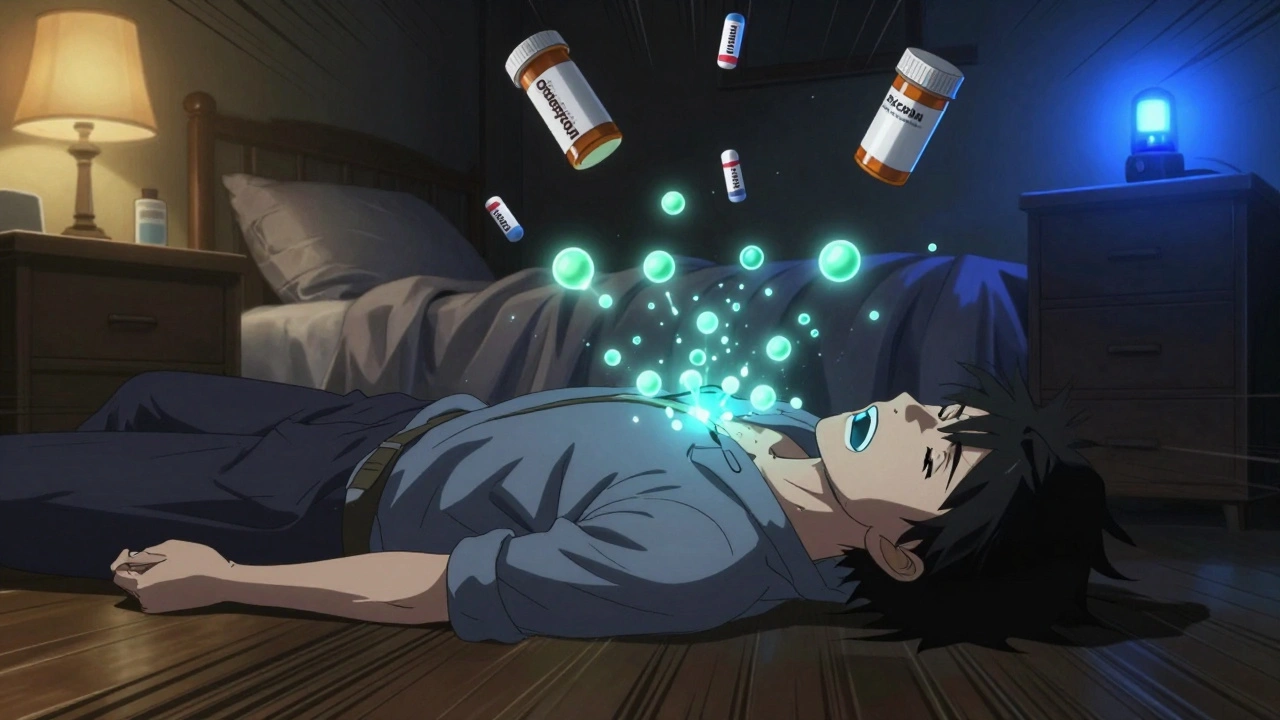
Opioid and Benzodiazepine Risks: Overdose, Interactions, and Safe Use
When you take opioid and benzodiazepine, a combination of central nervous system depressants used for pain and anxiety. Also known as CNS depressant pairing, it’s one of the most dangerous drug mixes in modern medicine. Neither drug is safe on its own if misused—but together, they slow your breathing so much that your body can’t get enough oxygen. This isn’t theory. It’s why emergency rooms see so many overdoses from this combo. The CDC reports that over 30% of opioid overdose deaths involve benzodiazepines. You don’t need to be a heavy user. Even prescribed doses, taken as directed, can become lethal when mixed.
The problem isn’t just the drugs themselves—it’s how they work together. opioids, like oxycodone, hydrocodone, or fentanyl. Also known as narcotic painkillers, they target brain receptors that control pain and breathing. benzodiazepines, such as alprazolam, diazepam, or clonazepam. Also known as benzos, they calm nerves by boosting GABA, a natural brain chemical that slows activity. When both are in your system, your brain’s breathing control center gets hit from two sides. It doesn’t just slow down—it shuts off. That’s why naloxone, which reverses opioid overdoses, often isn’t enough. You need emergency care, and fast.
People don’t always realize they’re at risk. Maybe your doctor prescribed an opioid for back pain and a benzodiazepine for anxiety. Or maybe you started taking one after your sleep got worse. It’s not always obvious. The real danger? These drugs are often taken for months or years. Over time, your body builds tolerance, so you might take more—without knowing how the combo is quietly damaging your breathing. And if you drink alcohol or use sleep aids? The risk jumps again. This isn’t about street drugs. It’s about prescriptions you trust.
What can you do? Talk to your doctor. Ask if you really need both. Can one be replaced? Could therapy, physical therapy, or non-addictive sleep aids work instead? If you’re on both, never skip a dose or suddenly stop. Withdrawal from either can be dangerous. And always keep naloxone on hand—even if you’re not using opioids daily. It’s not just for addicts. It’s for anyone on these meds.
The posts below cover what happens when these drugs mix with other substances, how they affect hormones and metabolism, and what to do if you or someone you know is at risk. You’ll find real stories about overdose signs, how to manage long-term use, and how to talk to your pharmacist about safer alternatives. This isn’t about fear—it’s about awareness. And awareness saves lives.
Combining sedating medications like opioids, benzodiazepines, and sleep aids can cause deadly respiratory depression. Learn the most dangerous combinations, warning signs, and how to stay safe.