Needles: What They Are, How They're Used, and What You Need to Know
When you think of needles, thin, sharp instruments used to deliver medication or draw blood. Also known as injection devices, they're one of the most common medical tools in homes and clinics alike. But most people don’t realize how much goes into using them safely—or what happens when they’re used wrong. A needle isn’t just a piece of metal and plastic. It’s the bridge between a prescription and your body. Get it right, and it helps you feel better. Get it wrong, and it can cause infection, injury, or worse.
Needles are paired with syringes, devices that hold and control the flow of liquid medication to deliver everything from insulin to vaccines. But their use isn’t limited to hospitals. Millions of people use them daily at home for diabetes, arthritis, or hormone therapy. That’s why knowing how to handle them matters—not just for you, but for everyone around you. Improper disposal is a real problem. Used needles in trash cans or recycling bins don’t just pose a risk to sanitation workers—they can spread bloodborne diseases like hepatitis or HIV. And while many assume all needles are the same, the size, length, and gauge vary based on the medication and the person. A needle meant for a muscle shot won’t work the same way as one for skin injection.
Then there’s injection safety, the set of practices that prevent harm during medication delivery. It’s not just about not reusing needles—though that’s critical. It’s about cleaning the skin first, using the right angle, avoiding nerves and blood vessels, and knowing when to stop if something feels off. Even small mistakes, like not letting alcohol dry before injecting, can lead to skin infections. And if you’re giving shots to someone else—like a child or elderly parent—there’s added pressure. You need to be calm, confident, and informed. No one teaches you this in school. You learn it by doing, and sometimes, by making mistakes.
Needles also tie into bigger issues like medication administration, how drugs are delivered into the body to achieve the intended effect. A shot isn’t just a quick poke. It’s part of a treatment plan. If the timing’s off, the dose is wrong, or the needle is dull, the whole treatment can fail. That’s why so many of the articles here focus on what happens when things go sideways: drug interactions from improper injections, overdose risks from misused devices, or complications from skipped doses because someone was afraid to use a needle.
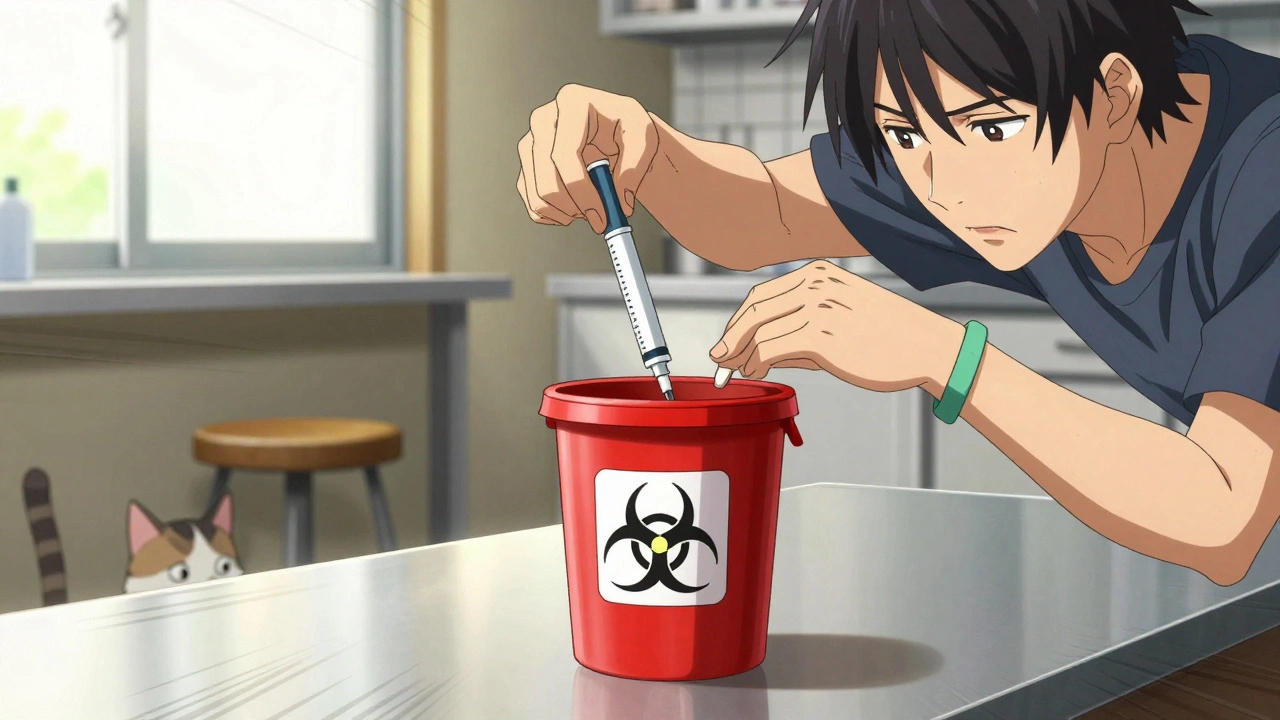
And let’s not forget needle disposal, the safe handling and removal of used medical needles. It’s not glamorous, but it’s non-negotiable. Sharps containers aren’t optional—they’re required by law in many places. Throwing needles in the trash isn’t just irresponsible; it’s dangerous. And while some people reuse needles to save money, that’s a gamble no one should take. A dull needle hurts more, increases tissue damage, and raises infection risk. There are programs out there that help people get free or low-cost disposal containers. You just have to ask.
What you’ll find in the articles below isn’t a list of random posts. It’s a collection of real, practical stories about how needles fit into daily health routines—and where things can go wrong. From people managing insulin to those dealing with chronic pain, these posts show the hidden risks, the overlooked details, and the simple fixes that make all the difference. You won’t find fluff here. Just what you need to know to use, handle, and dispose of needles safely—so you can stay healthy, and keep others safe too.