HIV Prevention: Your Complete Guide
When talking about HIV prevention, the collection of behaviors, medicines, and public‑health measures that lower the chance of HIV infection. Also known as HIV prophylaxis, it aims to stop the virus before it takes hold. If you’re looking to stay safe, HIV prevention starts with understanding the options.
One of the biggest game‑changers is Pre‑exposure prophylaxis (PrEP), a daily pill that keeps the virus at bay for people at high risk. PrEP encompasses a steady dose of antiretroviral drugs, turning a potential infection into a preventable event. Right alongside PrEP, there’s Post‑exposure prophylaxis (PEP), a short‑term treatment you start within 72 hours after a possible exposure. PEP provides an emergency safety net, buying time for the body to clear any virus that might have entered.
Beyond medication, classic methods still matter. Consistent condom use requires proper fit and correct application, and it dramatically cuts transmission risk. Meanwhile, antiretroviral therapy (ART) for people living with HIV lowers their viral load, which influences community‑wide HIV prevention by reducing the chance of passing the virus on. Together, these tools create a layered defense: safe sex practices, biomedical prevention, and treatment as prevention.
What You’ll Find Below
Below is a curated set of articles that break down each approach in plain language. You’ll see dosage guides for PrEP, tips for picking the right condom, step‑by‑step steps for PEP after an incident, and real‑world stories of how ART changes lives. Whether you’re new to the topic or looking for the latest updates, the posts ahead give you the practical knowledge to make informed choices and stay protected.
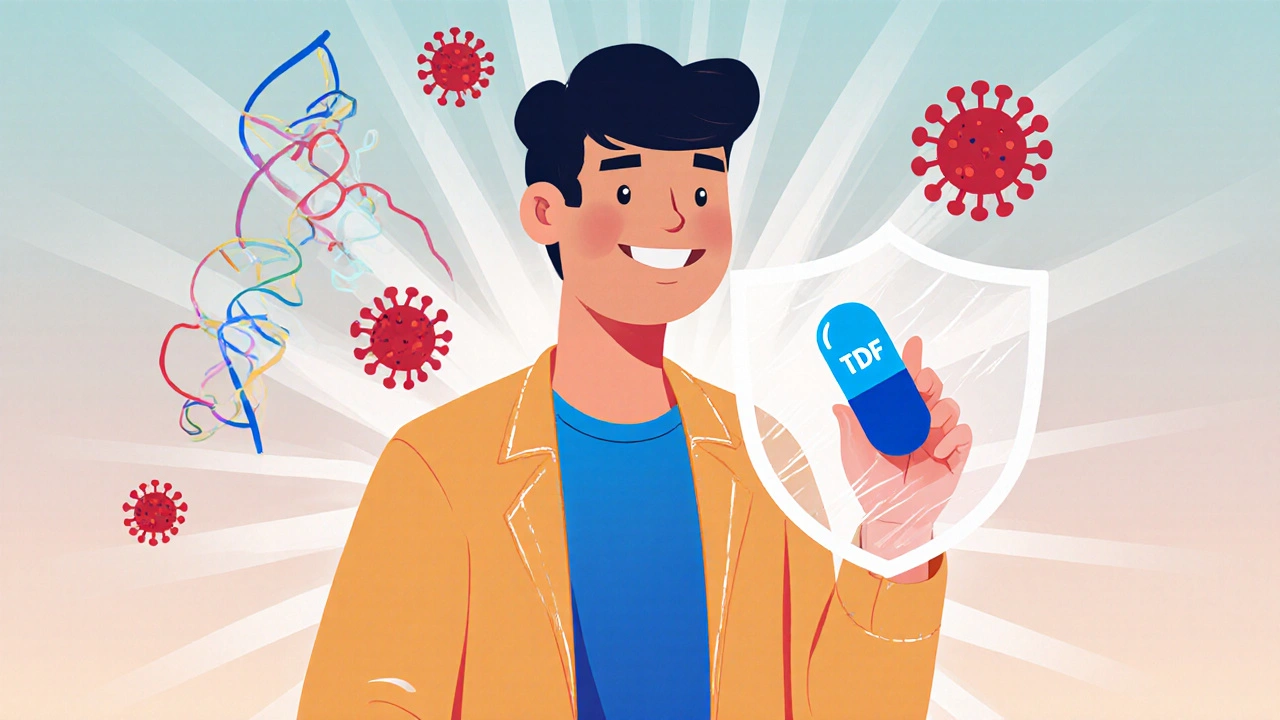
Explore how disoproxil fumarate (TDF) works, its impact on HIV transmission rates, guidelines, comparisons, and best practices for effective PrEP programs.