Drug Interactions: What You Need to Know Before Taking Multiple Medications
When you take more than one medication, your body doesn’t just see them as separate pills—it sees a drug interaction, a change in how one substance affects another inside your body. Also known as medication interactions, these can make a drug stronger, weaker, or cause unexpected side effects you never saw coming. This isn’t rare. One in five adults takes three or more prescription drugs. Add in supplements, cannabis, or even grapefruit juice, and the chances of something going wrong climb fast.
Some cannabis and medications, like blood thinners or seizure drugs, can dangerously interfere through liver enzymes. Also known as CBD and drug interactions, this isn’t just theoretical—it’s why people on warfarin end up in the ER after starting CBD oil. Then there’s supplement interactions, where natural doesn’t mean safe. St. John’s wort can make your birth control fail. Goldenseal can spike your blood sugar if you’re on metformin. And let’s not forget opioid side effects, like lowered testosterone, which many don’t link to long-term painkiller use. These aren’t edge cases. They’re everyday risks hidden in plain sight.
Doctors don’t always ask about what you’re taking outside of prescriptions. Pharmacies might not catch it either—especially if you buy supplements online or get cannabis from a dispensary. That’s why you need to know the basics: what slows down your liver, what speeds up your heart, what makes your meds useless. The posts below cover real examples: how beta-blockers help with thyroid storms, why expired antibiotics can cause resistance, how obesity changes dosing, and why switching to a generic pill might make you feel worse—not because it’s weaker, but because your brain expects it to be.
You won’t find fluff here. Just clear, practical info on what actually happens when drugs mix—so you can ask the right questions, spot warning signs, and avoid the hidden dangers most people never see coming.
Pharmacodynamic drug interactions occur when drugs change each other's effects at the receptor level-not by altering concentrations, but by competing, enhancing, or blocking actions. Learn the dangerous and beneficial combinations you need to know.
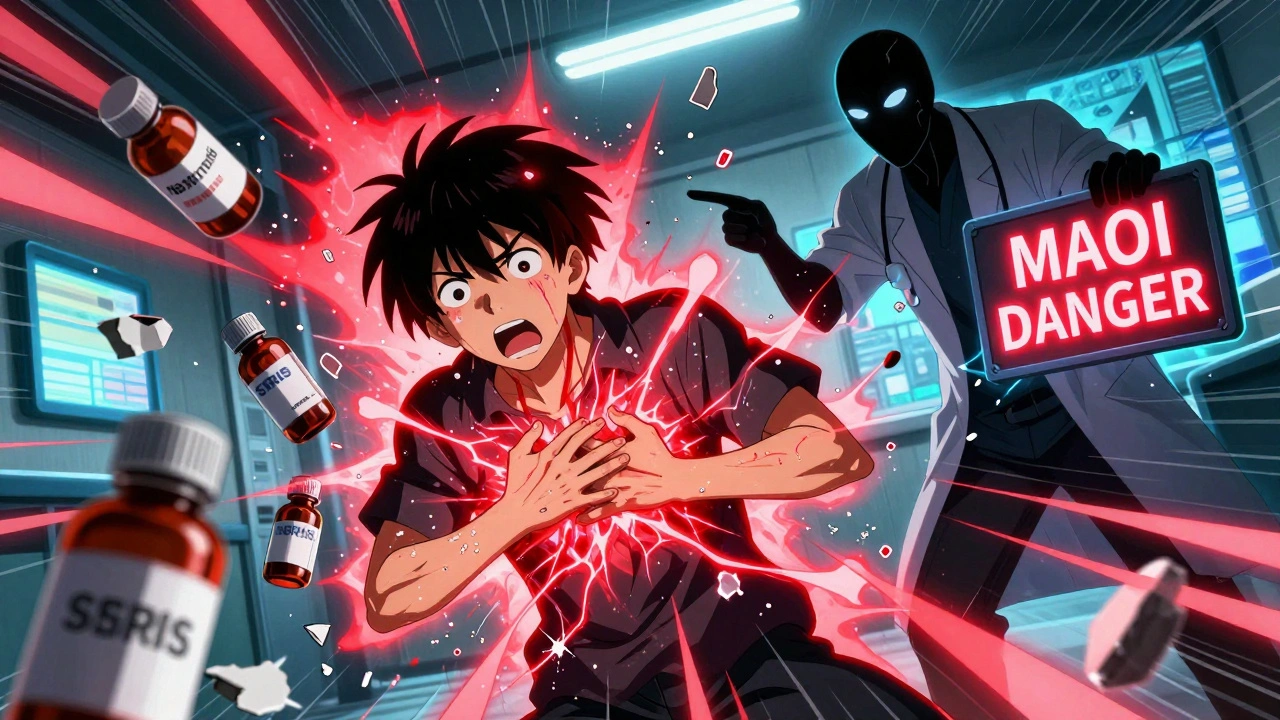
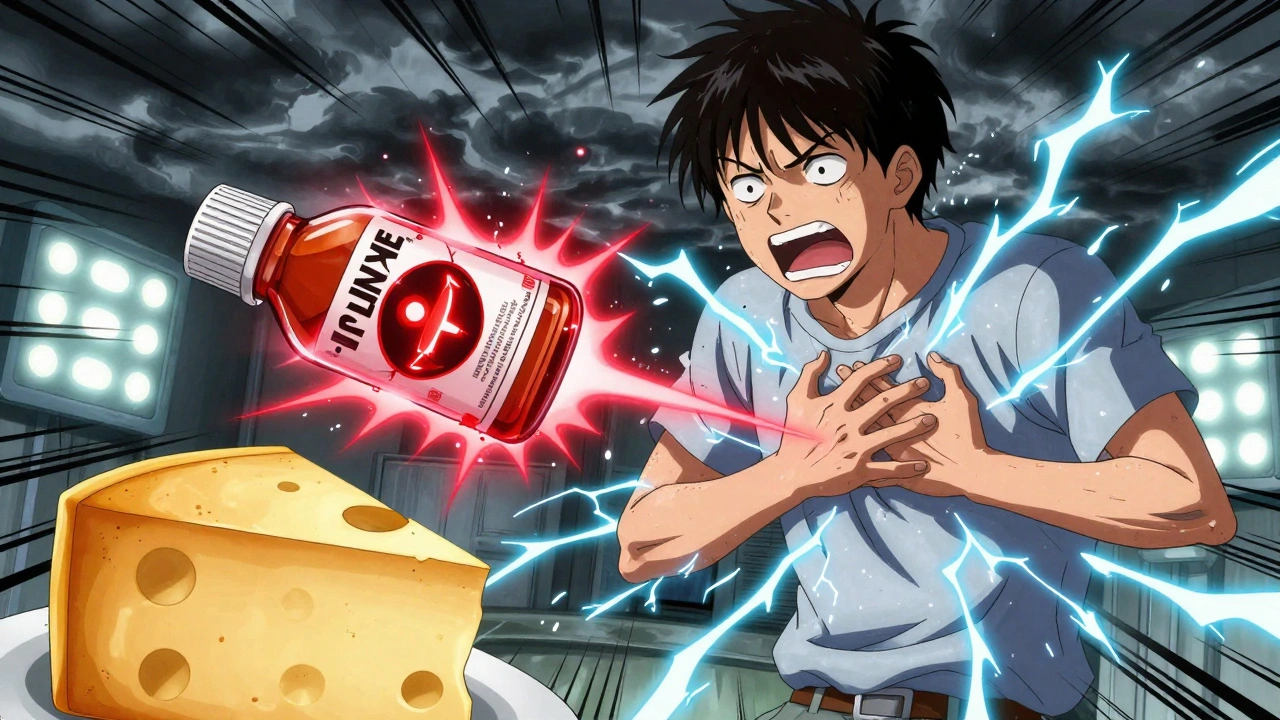
MAO inhibitors can save lives-but only if you avoid deadly interactions with common medications, supplements, and foods. Learn what’s safe and what can kill you.
MAO inhibitors can be life-saving for treatment-resistant depression-but dangerous if mixed with common medications, foods, or supplements. Learn the deadly interactions, what to avoid, and how to stay safe.
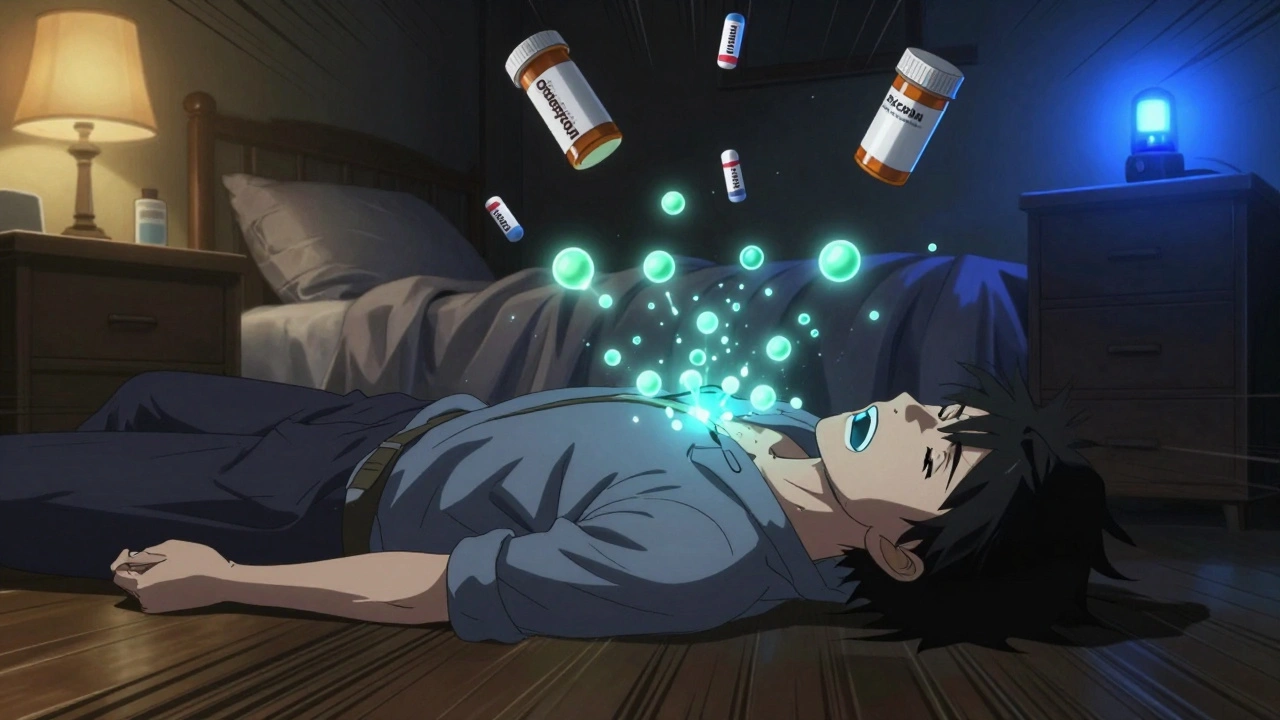
Combining sedating medications like opioids, benzodiazepines, and sleep aids can cause deadly respiratory depression. Learn the most dangerous combinations, warning signs, and how to stay safe.