THC and warfarin: What you need to know about the interaction
When you take THC, the main psychoactive compound in cannabis. Also known as tetrahydrocannabinol, it affects how your body processes certain medications, including warfarin, a blood thinner used to prevent dangerous clots. Also known as Coumadin, it’s one of the most commonly prescribed anticoagulants. Mixing these two isn’t just a gray area—it’s a known risk. People using THC for pain, sleep, or anxiety while on warfarin may not realize they’re increasing their chance of internal bleeding, bruising, or even stroke.
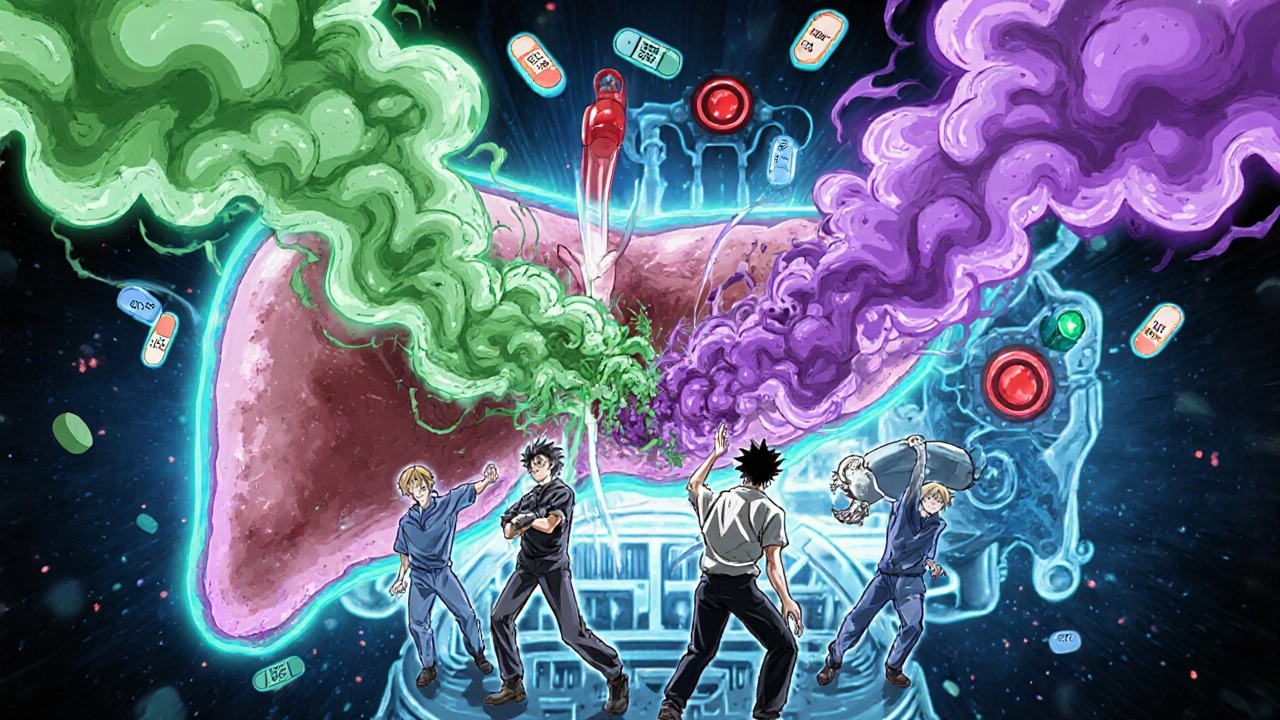
THC interacts with warfarin through the liver’s CYP450 enzyme system, the same pathway that breaks down dozens of other drugs. THC can slow down how fast your body clears warfarin, causing it to build up in your blood. That means your INR—a test that measures how long it takes your blood to clot—can spike without warning. One study in patients using medical cannabis showed INR levels rising by over 30% within days, even with no change in warfarin dose. That’s not a small fluctuation. That’s the difference between safe and life-threatening. And it doesn’t just happen with smoked cannabis. Edibles, oils, and tinctures carry the same risk because they all deliver THC into your bloodstream.
This isn’t just about THC. Other cannabis compounds like CBD also interfere with warfarin, and many people don’t know they’re taking both. Some products labeled as "THC-free" still contain CBD, and vice versa. If you’re on warfarin and considering cannabis for any reason, talk to your doctor before trying it. Don’t assume natural means safe. The same way you’d check for interactions with aspirin or garlic supplements, you need to check for THC. Your pharmacist can run a quick drug interaction check, and your doctor can adjust your warfarin dose or suggest alternatives if needed. There’s no reason to guess when your life could be on the line.
Below, you’ll find real-world insights from people who’ve dealt with this exact issue—how they spotted the problem, what tests they needed, and what worked after they made changes. These aren’t theoretical warnings. These are lived experiences that show why this interaction matters more than most people realize.
Cannabis can dangerously interact with blood thinners, seizure meds, and other prescriptions by affecting liver enzymes. Learn which combinations are high-risk, how to stay safe, and what steps to take if you're using both.