Testosterone Replacement Therapy: What You Need to Know About Benefits, Risks, and Alternatives
When your body doesn’t make enough testosterone replacement therapy, a medical treatment used to restore normal testosterone levels in men with clinically low hormone levels. Also known as TRT, it’s prescribed when symptoms like fatigue, low libido, or muscle loss aren’t caused by aging alone but by a diagnosed hormonal deficiency. It’s not a quick fix for feeling tired or losing muscle after 40—it’s a targeted treatment for a measurable condition. Doctors check blood levels, rule out other causes, and only then consider whether TRT is appropriate.
TRT isn’t just about popping a pill. It comes in gels, patches, injections, and pellets, each with different pros and cons. Some men see energy and mood improvements in weeks. Others deal with side effects like acne, sleep apnea, or reduced sperm production. And it’s not risk-free: long-term use can affect your heart, liver, and prostate. That’s why regular monitoring is part of the deal. You can’t start TRT and forget about it—blood tests every few months are non-negotiable.
Related to this are other key players in hormone health: low testosterone, a condition where the body produces less than 300 ng/dL of testosterone, often causing physical and mental symptoms. It’s not rare—about 40% of men over 45 have levels below normal. But many never get tested because they think it’s just part of getting older. Then there’s TRT side effects, the potential downsides that include fluid retention, mood swings, and increased red blood cell count, which can raise stroke risk. And don’t forget hormone therapy, a broader category that includes TRT but also covers treatments for women and transgender patients. These aren’t just buzzwords—they’re real medical terms tied to real decisions.
What you’ll find in the posts below isn’t marketing fluff or anecdotal stories. It’s straight talk from real medical content: how TRT interacts with other meds, why some men feel worse after starting it, how lifestyle changes can support—or sabotage—treatment, and what alternatives actually work. You’ll see how obesity affects dosing, why sleep matters more than you think, and how certain supplements can mess with your hormone balance. No hype. No promises of miracles. Just facts you can use to talk to your doctor and make smarter choices.
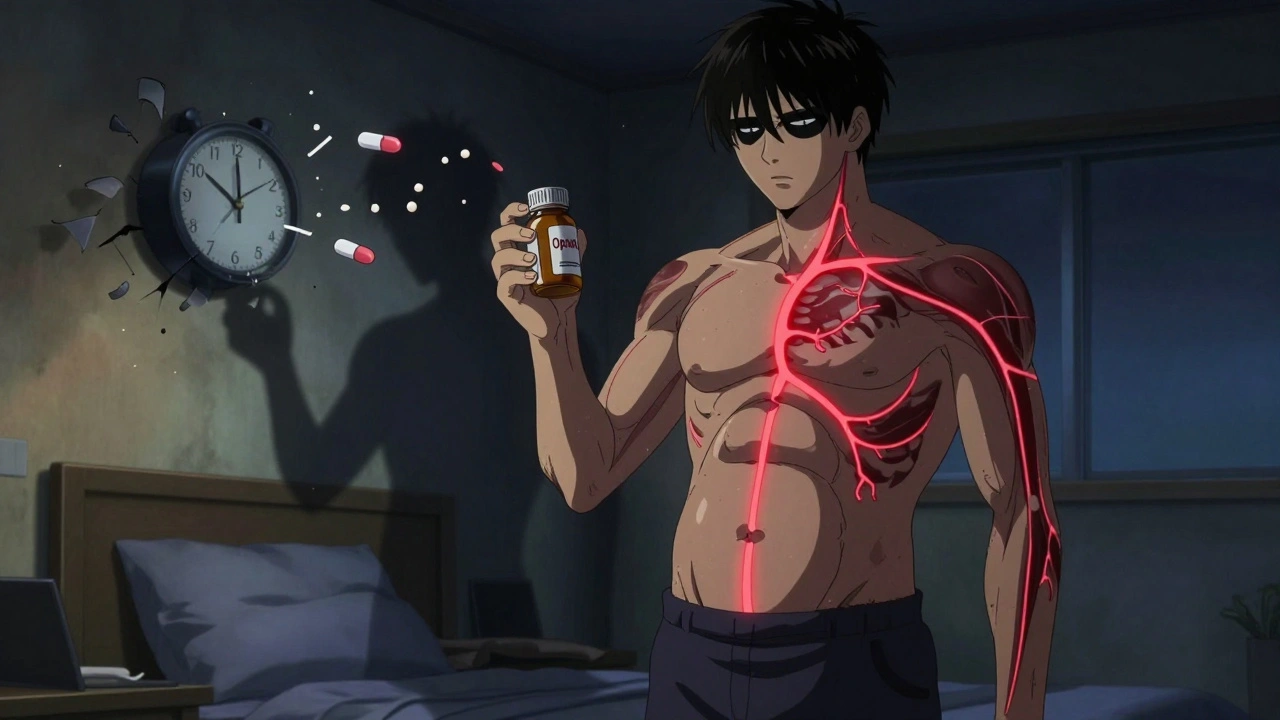
Long-term opioid use can suppress testosterone, causing fatigue, low libido, and muscle loss. Learn the symptoms, how to test for it, and effective treatment options including testosterone replacement therapy and lifestyle changes.