Testosterone Deficiency: Symptoms, Causes, and What You Can Do
When your body doesn’t make enough testosterone, the primary male sex hormone that regulates muscle mass, bone density, red blood cell production, and libido. Also known as male hypogonadism, it’s not just about low sex drive—it affects your energy, mood, and even how your body handles fat and sugar. Many men assume fatigue or weight gain is just aging, but persistent symptoms like trouble sleeping, reduced muscle strength, or sudden mood swings could point to something deeper.
Low testosterone, a condition where testosterone levels fall below normal ranges for age and health. Also known as andropause, it’s often linked to other health problems like obesity, type 2 diabetes, and sleep apnea. It doesn’t just happen to older men—young men with chronic stress, poor sleep, or certain medications can see drops too. And it’s not always obvious: some people don’t notice symptoms until they’re already dealing with depression, erectile dysfunction, or unexplained weight gain. The body’s hormones don’t work in isolation. Low testosterone can make it harder to respond to insulin, worsen inflammation, and even reduce the effectiveness of some medications used for heart or metabolic conditions.
Hormone imbalance, a disruption in the normal levels of hormones that control metabolism, growth, mood, and reproduction. Also known as endocrine dysfunction, it often shows up alongside thyroid issues, adrenal fatigue, or high cortisol from chronic stress. If you’re on medications like opioids, corticosteroids, or even some antidepressants, they can quietly lower testosterone over time. And if you’re struggling with sleep or managing chronic pain, those issues can feed into the problem—creating a cycle that’s hard to break without addressing the root cause.
What you’ll find below aren’t just general articles—they’re real, practical posts from people who’ve been there. You’ll see how testosterone deficiency connects to things like medication side effects, sleep disruption, and even how your body processes drugs differently based on weight or age. No fluff. Just clear, direct info on what to watch for, what to ask your doctor, and what actually works when your body isn’t producing what it needs.
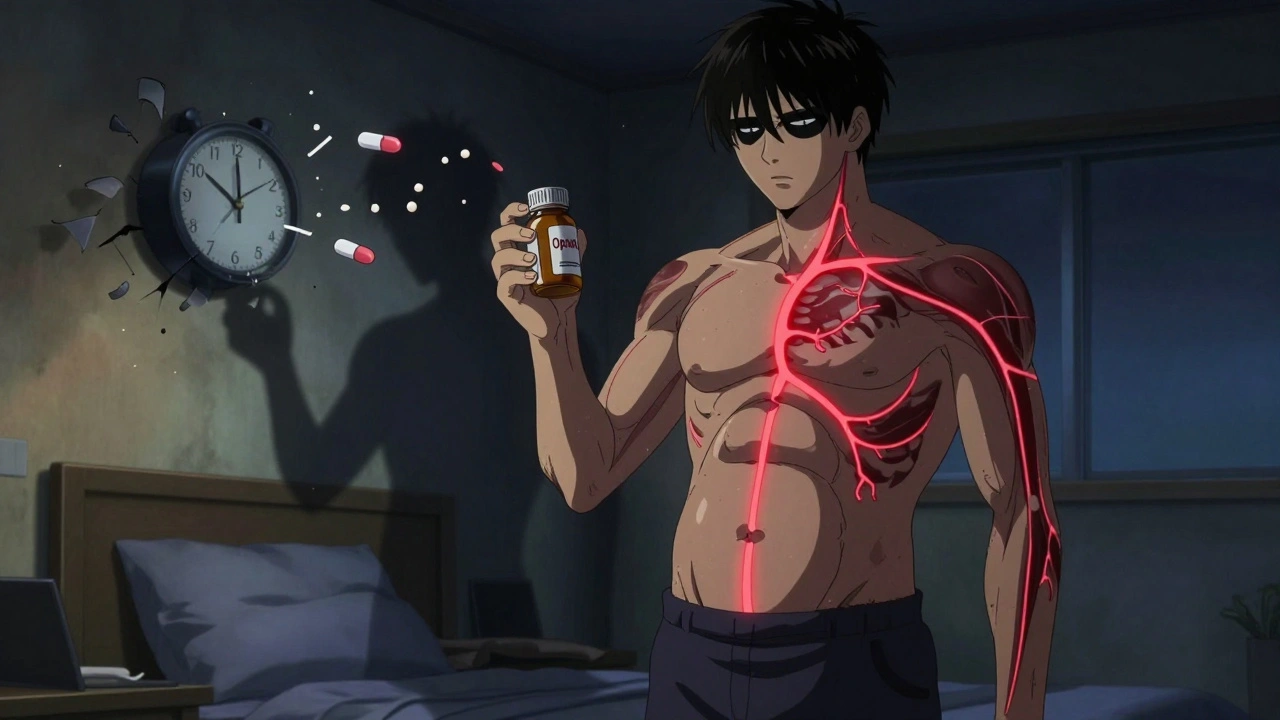
Long-term opioid use can suppress testosterone, causing fatigue, low libido, and muscle loss. Learn the symptoms, how to test for it, and effective treatment options including testosterone replacement therapy and lifestyle changes.