Syringes: What They Are, How They're Used, and What You Need to Know
When you think of syringes, a simple medical device used to inject or withdraw fluids. Also known as hypodermic needles, they’re one of the most common tools in home care, clinics, and hospitals. Most people associate them with vaccines or insulin, but they’re also used for pain relief, antibiotics, and even drawing blood. Their design is basic—barrel, plunger, and needle—but the way they’re used can make all the difference in safety and effectiveness.
Syringes aren’t one-size-fits-all. insulin syringes, specifically designed for precise low-dose injections have thinner needles and smaller measurements, often marked in units instead of milliliters. Then there are disposable syringes, single-use devices that prevent cross-contamination, which are standard in most medical settings today. Reusable syringes? They’re mostly gone for good reason—sterility matters. A single reused needle can spread infections like HIV or hepatitis. That’s why regulations and guidelines push hard for single-use only.
Needle safety isn’t just about avoiding infections. It’s also about getting the right dose in the right place. Injecting too shallow or too deep can mean the medicine doesn’t work right—or causes pain, swelling, or even tissue damage. People managing diabetes, for example, need to know the difference between subcutaneous and intramuscular shots. A vaccine in the arm? That’s deltoid muscle. Insulin? That’s belly fat. The angle, the site, the pinch—it all adds up.
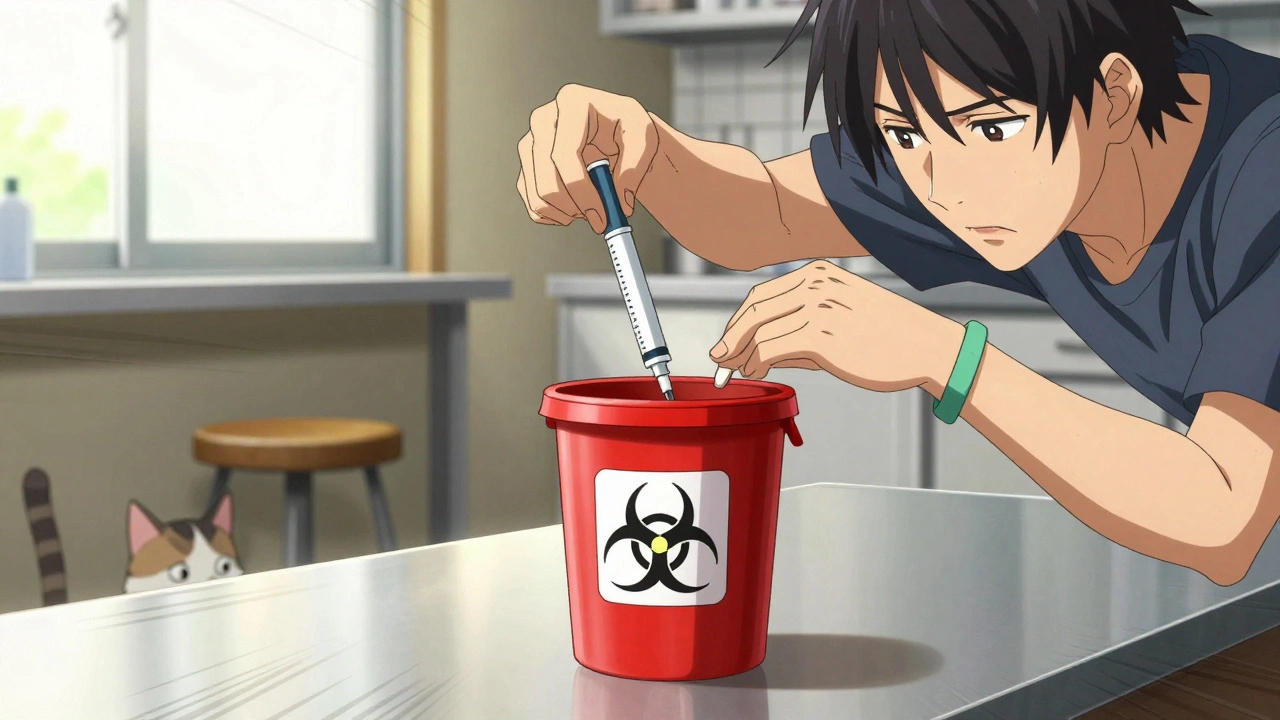
And while syringes are simple tools, they’re not always easy to handle. Shaky hands, poor vision, or arthritis can make self-injection tough. That’s why many now use auto-injectors or pen devices that hide the needle and simplify the process. But if you’re still using a manual syringe, knowing how to hold it, expel air bubbles, and dispose of it properly isn’t optional—it’s critical. Never recap needles. Never toss them in the trash. Use a sharps container. Your local pharmacy can often give you one for free or low cost.
What you’ll find in the posts below isn’t just about syringes themselves, but how they fit into bigger health stories. You’ll see how they connect to medication adherence, overdose prevention, drug interactions, and even how body weight affects dosing. Whether you’re giving yourself insulin, helping a loved one with injections, or just trying to understand why your doctor asked about your syringe type, this collection gives you real, practical info—no jargon, no fluff, just what you need to stay safe and informed.
Learn how to safely dispose of needles and sharps from injected medications to prevent injury and infection. Find out where to get free containers and drop-off points in the UK.