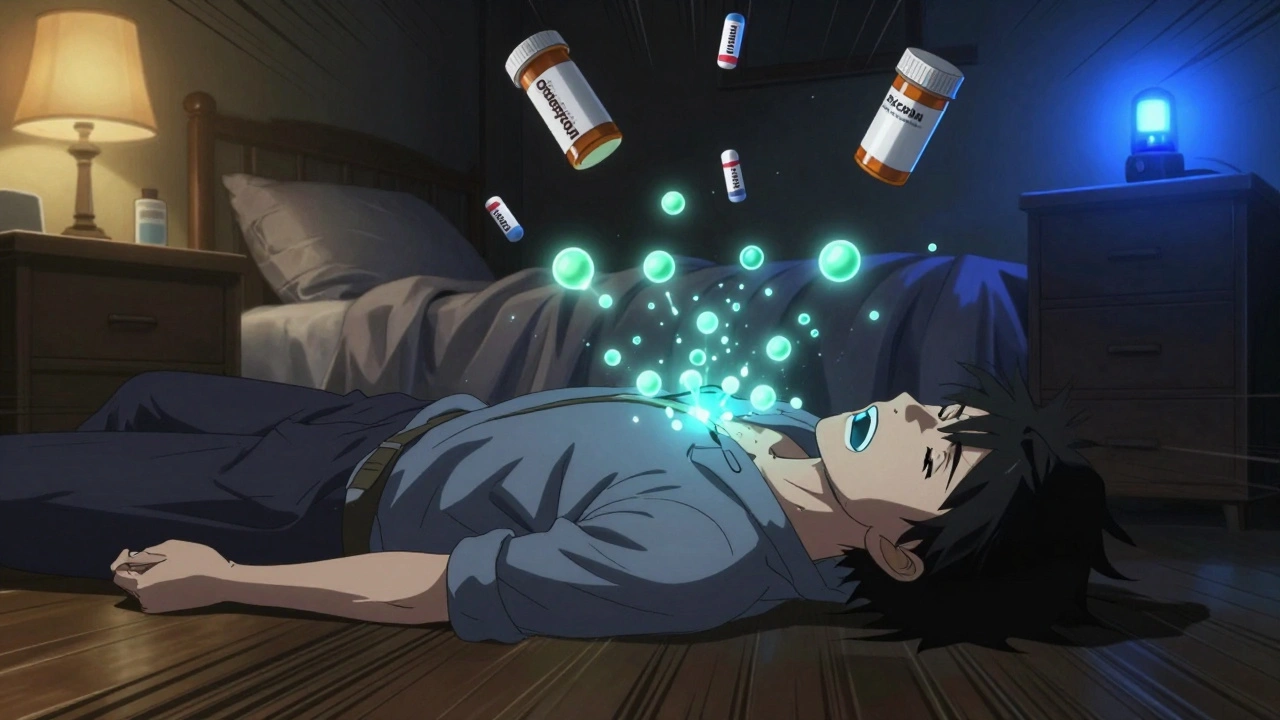
Sedating Medications: What They Are, How They Work, and What to Watch For
When you hear sedating medications, drugs that slow down your nervous system to reduce anxiety, promote sleep, or relieve muscle tension. Also known as CNS depressants, they include everything from prescription sleep aids to painkillers and even some antidepressants. These aren’t just "sleep pills"—they’re powerful tools that can help you rest, manage pain, or calm your nerves. But they also carry real risks if used without understanding how they interact with your body and other drugs.
Many people don’t realize that MAO inhibitors, a class of antidepressants used for severe depression can be dangerously sedating, especially when mixed with common foods or other meds. Same goes for opioids, pain relievers that slow breathing and trigger drowsiness. Even beta-blockers, drugs usually thought of for heart conditions can make you feel foggy or tired, even though they’re not meant to be sedatives. And don’t forget muscle relaxants, medications like baclofen and tizanidine that ease spasms but often cause heavy drowsiness. These aren’t isolated cases—they’re part of a pattern. Sedating effects aren’t always listed as the main use, but they’re often the most noticeable side effect.
What makes this even trickier is that many people take these meds without knowing they’re sedating. You might be on a beta-blocker for high blood pressure and wonder why you’re so tired all day. Or you’re using an opioid for back pain and don’t realize it’s also messing with your sleep cycle. The real danger comes when you mix them—like taking a muscle relaxant with an opioid, or adding melatonin to an MAO inhibitor. These combos don’t just make you sleepy—they can slow your breathing to dangerous levels or trigger a life-threatening reaction like serotonin syndrome. Even something as simple as drinking grapefruit juice with certain sedating meds can turn a safe dose into a risky one.
This collection of articles isn’t about scare tactics. It’s about clarity. You’ll find real breakdowns of how these drugs actually work in your body, what side effects you might not expect, and how to spot when something’s gone wrong. Whether you’re managing chronic pain, dealing with anxiety, or just trying to sleep better, you need to know what’s in your medicine cabinet—and why it’s working (or not). The posts here cover everything from how opioids lower testosterone to why expired antibiotics might be worse than useless. You’ll learn how to talk to your doctor about dosing, how to avoid dangerous interactions, and what to do if you feel too drowsy to drive or function normally. This isn’t theoretical. These are the risks people face every day, and the fixes that actually work.
Combining sedating medications like opioids, benzodiazepines, and sleep aids can cause deadly respiratory depression. Learn the most dangerous combinations, warning signs, and how to stay safe.