Safe Disposal of Medications: How to Do It Right and Why It Matters
When you finish a course of antibiotics or stop taking a painkiller, what do you do with the leftover pills? Throwing them in the trash or flushing them down the toilet might seem harmless—but it’s not. Safe disposal, the proper way to get rid of unused or expired medications to prevent harm to people and the environment. Also known as medication disposal, it’s a simple step that stops drugs from ending up in your water supply, poisoning pets, or falling into the wrong hands. The safe disposal of pharmaceuticals isn’t just about cleaning out your medicine cabinet—it’s a public health issue.
Every year, millions of unused pills end up in landfills or waterways. Studies show that traces of antidepressants, antibiotics, and even hormones are now found in rivers and drinking water. This isn’t just an environmental problem—it fuels antibiotic resistance, harms wildlife, and increases the risk of accidental overdoses, especially in kids and teens. Pharmaceutical waste, the leftover drugs and packaging that are no longer needed or have expired doesn’t just disappear when you toss it. It leaches into soil, gets carried by rainwater, and ends up in the same systems that supply your tap water. And if someone finds those old painkillers in your bathroom cabinet? That’s how opioid overdoses start.
There are better ways. The best option? Take-back programs. Many pharmacies, hospitals, and police stations offer drop-off bins for unwanted meds. These are designed to collect and safely destroy drugs without polluting the environment. If that’s not available, mix pills with something unappetizing—used coffee grounds, cat litter, or dirt—put them in a sealed container, and toss them in the trash. Never flush them unless the label says to. And don’t forget patches, liquids, and inhalers—each has its own rules. Drug safety, the practice of handling, storing, and discarding medications to avoid harm starts the moment you bring them home.
Expired antibiotics, like amoxicillin or cefprozil, don’t just lose strength—they can become dangerous. Using them might not cure your infection, and instead, it could train bacteria to resist future treatments. That’s why expired antibiotics, antibiotics past their labeled expiration date that may no longer be effective or safe need special attention. Same goes for old pain meds, sleep aids, or antidepressants. If you’re unsure whether something’s still good, ask your pharmacist. They’ll tell you what to keep and what to toss.
You don’t need to be a scientist to do this right. You just need to know the basics. Safe disposal protects your kids, your neighbors, your pets, and even the fish in your local stream. It’s not complicated. It’s not expensive. It’s just necessary. Below, you’ll find real stories and facts from people who’ve dealt with this—what went wrong, what worked, and what you should never do. Whether you’re cleaning out your medicine cabinet, worried about a loved one’s meds, or just trying to do the right thing, these posts have the answers you need.
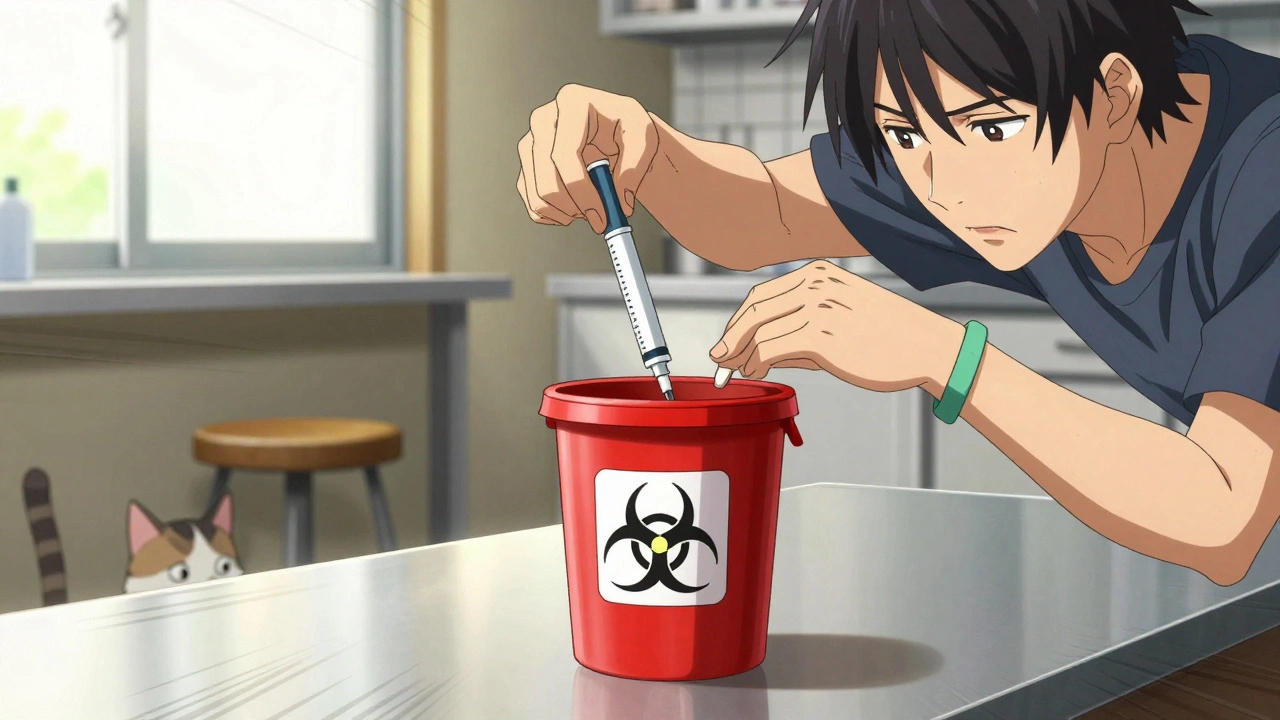
Learn how to safely dispose of needles and sharps from injected medications to prevent injury and infection. Find out where to get free containers and drop-off points in the UK.