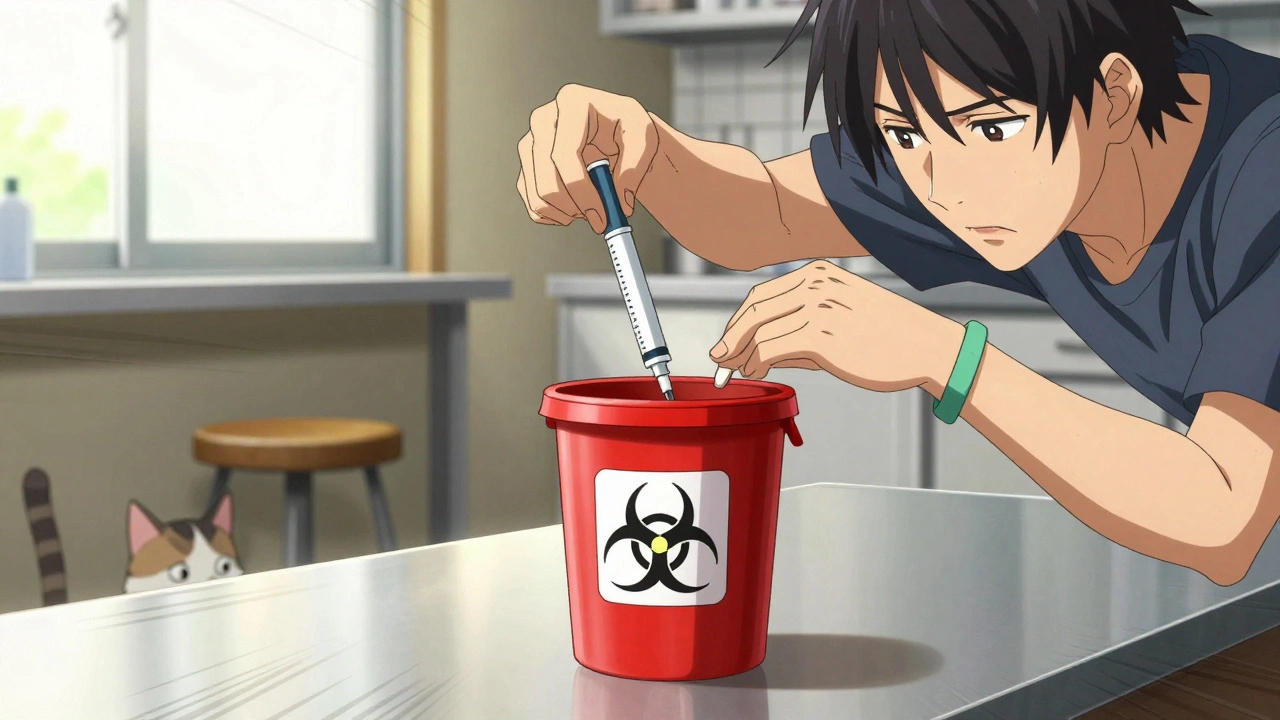
Medical Waste: What It Is, Why It Matters, and How It Affects Your Health
When you throw away an old prescription or a used syringe, you're not just clearing out clutter—you're handling medical waste, hazardous materials generated in healthcare settings that can include expired drugs, contaminated sharps, and toxic chemical residues. Also known as healthcare waste, it's a silent public health issue that doesn't disappear when it leaves your bathroom cabinet. This isn't just about dirty needles or empty pill bottles. It’s about what happens after it’s flushed, tossed in the trash, or dumped into landfills. pharmaceutical waste, the leftover or expired medications that enter the environment is one of the fastest-growing types of this waste, and it’s showing up in rivers, drinking water, and even fish.
Every time you flush an old antibiotic like cefprozil, a broad-spectrum antibiotic linked to environmental contamination, or toss expired painkillers in the bin, you’re feeding a cycle of resistance. antibiotic pollution, the release of antimicrobial compounds into ecosystems is making infections harder to treat. Studies show traces of drugs like ibuprofen, antidepressants, and antibiotics in water supplies across the U.S. and Europe. These aren’t just traces—they’re enough to disrupt aquatic life and, over time, may contribute to drug-resistant superbugs that threaten human health.
And it’s not just the environment. Improper disposal also puts your family at risk. Kids find pills in the trash. Pets chew through containers. Elderly neighbors accidentally take expired meds thinking they’re still good. That’s why drug disposal, the safe and regulated way to get rid of unused medications matters just as much as taking them correctly. Many pharmacies now offer take-back programs. Some cities have drop-off bins. And in some cases, the FDA even recommends flushing certain high-risk drugs—like fentanyl patches—to prevent accidental poisoning.
What you’ll find in the posts below isn’t just a list of articles. It’s a practical guide to how medical waste connects to real-world problems you might not even realize you’re part of. You’ll learn how expired antibiotics lose their power—and how that makes you more vulnerable. You’ll see how drug manufacturing leaks toxins into soil and water. You’ll understand why throwing away a bottle of pills isn’t harmless, and what you can do differently tomorrow. This isn’t about guilt. It’s about awareness. And the next time you clean out your medicine cabinet, you’ll know exactly what to do—and why it matters.
Learn how to safely dispose of needles and sharps from injected medications to prevent injury and infection. Find out where to get free containers and drop-off points in the UK.