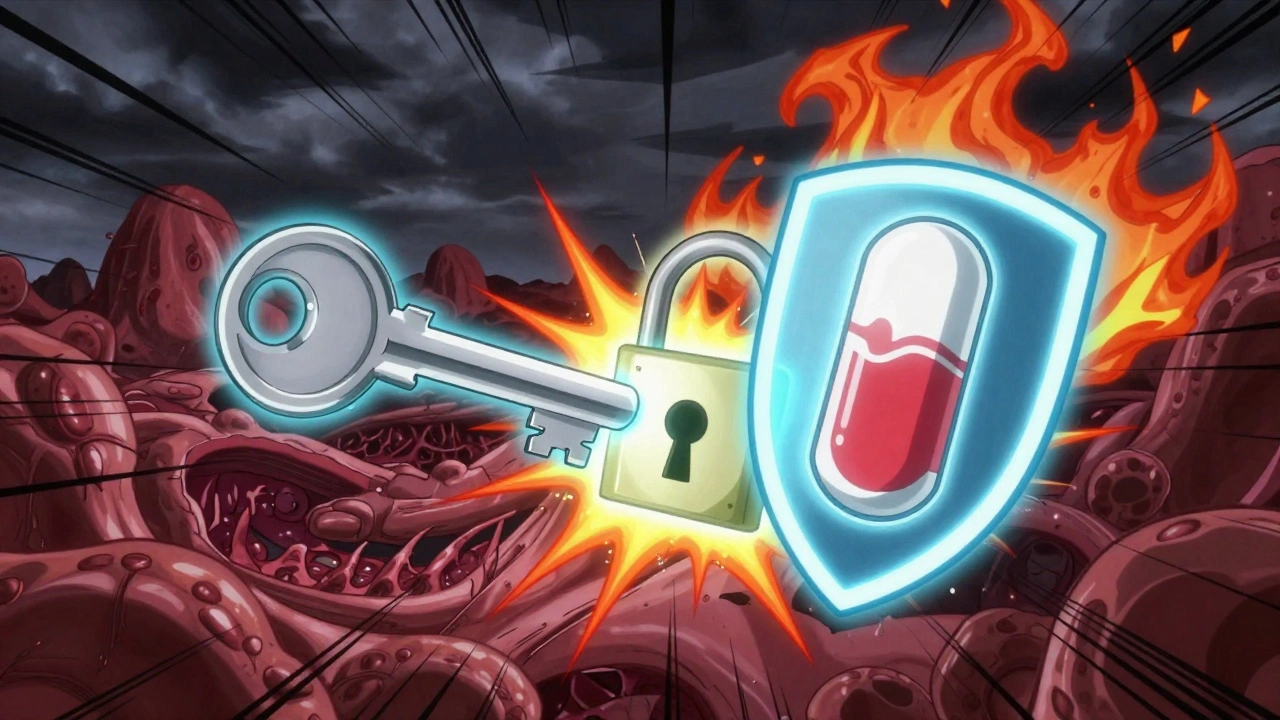
Drug Synergy: How Medications Work Together — Risks and Real-World Examples
When two or more drugs work together in a way that changes their effect, that’s called drug synergy, the combined effect of two or more medications that’s greater than the sum of their individual effects. Also known as pharmacodynamic interaction, it can be helpful — like when painkillers and anti-inflammatories team up for better relief — or deadly, like when sedatives and alcohol slow your breathing to a stop. This isn’t theoretical. Every year, thousands of people end up in the ER because they didn’t realize their pills were playing well together — in the worst way possible.
One of the most dangerous forms of drug synergy happens with sedating medications, drugs that cause drowsiness, dizziness, or slowed breathing, including opioids, benzodiazepines, and sleep aids. Combining even a small amount of alcohol with a prescription sleep pill can turn a routine night into a medical emergency. The same goes for MAO inhibitors, a class of antidepressants that can trigger a life-threatening spike in blood pressure or serotonin overload when mixed with common foods, OTC cold meds, or even St. John’s wort. These aren’t rare cases — they’re predictable, preventable, and often missed because patients assume "it’s just a pill" or "natural means safe."
It’s not just about what’s in the bottle. Your body’s chemistry, age, liver function, and even what you ate today can change how drugs interact. For example, cannabis, especially CBD and THC, can interfere with how your liver processes blood thinners, seizure meds, and antidepressants. Or take goldenseal, a popular herbal supplement that reduces how well metformin works, raising blood sugar in diabetics. These aren’t side effects — they’re direct, measurable interactions that can undo years of treatment.
Drug synergy isn’t always bad. Sometimes, it’s the whole reason a treatment works. Cancer drugs are often combined because one makes the other more effective. Antibiotics team up to fight stubborn infections. But here’s the catch: you can’t guess which combinations are safe. Even your pharmacist might not know unless you tell them every pill, patch, tea, and gummy you take — including the ones you think don’t matter.
What you’ll find below isn’t a list of warnings. It’s a real-world guide from people who’ve been there — from seniors managing five prescriptions to patients switching from hospital to home without a single error. You’ll read about how to spot the signs of dangerous synergy, what questions to ask before filling a script, and how to avoid the most common mistakes that land people in the ER. These aren’t theories. These are stories from real patients, backed by clinical data and hard-won experience.
Pharmacodynamic drug interactions occur when drugs change each other's effects at the receptor level-not by altering concentrations, but by competing, enhancing, or blocking actions. Learn the dangerous and beneficial combinations you need to know.