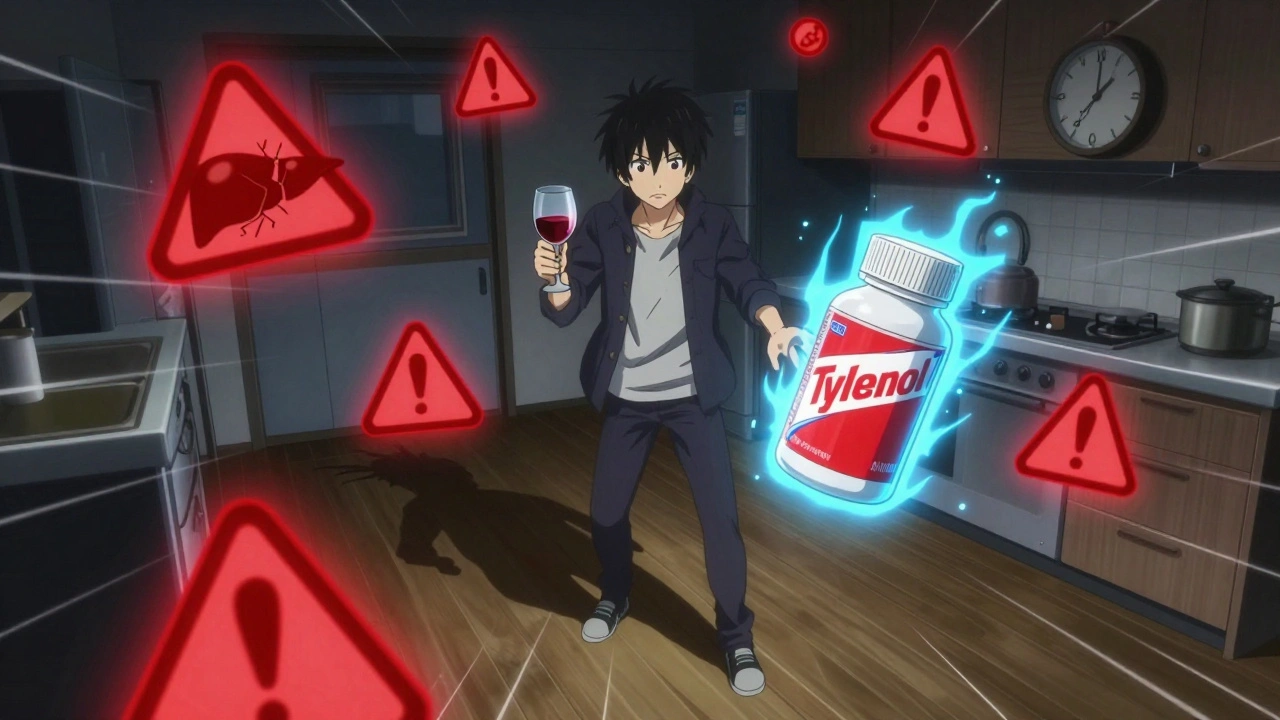
Drinking with Pills: Risks, Interactions, and What You Must Know
When you mix drinking with pills, the combination of alcohol and prescription or over-the-counter medications that can cause harmful or fatal reactions. Also known as alcohol-drug interactions, it’s not just about feeling drowsy—it’s about your body losing control over basic functions like breathing, heart rate, and liver processing. This isn’t a myth or a warning from an old TV ad. It’s a real, documented risk that sends thousands to emergency rooms every year.
Alcohol doesn’t just sit there—it changes how your body handles every drug you take. It can make painkillers like acetaminophen turn toxic to your liver. It can turn sedatives like benzodiazepines into a breathing stopper. Even something as simple as an antihistamine for allergies can become a sleep-inducing trap when mixed with a beer. The alcohol and medications, the chemical conflict between ethanol and pharmaceutical compounds that alters absorption, metabolism, and elimination isn’t always obvious. You might not feel drunk, but your body is working overtime to clean up the mess. And if you’re on blood pressure meds, antidepressants, or diabetes drugs, the risks aren’t just uncomfortable—they’re life-threatening.
Some people think, "I only have one drink," or "I took my pill hours ago." But timing doesn’t fix this. Alcohol lingers in your system for hours. So does most medication. Their effects overlap, and your liver can’t keep up. The drug interactions, the unintended and often dangerous effects when two or more substances are taken together, altering their intended purpose or safety profile aren’t always listed on the bottle. Many doctors don’t bring it up unless you ask. And most pharmacies don’t warn you unless you’re on something like warfarin or metronidazole—where the danger is obvious. But what about your daily pill for anxiety? Your sleep aid? Your joint pain cream? Those matter too.
There’s no safe amount if you’re on the wrong combo. A single glass of wine with an opioid painkiller can slow your breathing to a stop. A cocktail with an SSRI can trigger serotonin syndrome—a spike in body temperature, confusion, and seizures. Even a light beer with your morning statin can wreck your muscles. These aren’t rare cases. They happen every day. And the people affected? Often aren’t heavy drinkers. They’re just trying to unwind after a long day, or forget their pill schedule, or think, "It’s just alcohol. It’s natural."
What You Should Do Instead
Stop guessing. Check your meds. Talk to your pharmacist. They know what’s in your bottle and what happens when it meets alcohol. If you’re on more than one pill, ask: "Can I have even one drink?" Don’t wait for symptoms. Don’t assume it’s fine because you’ve done it before. Your body changes. Your meds change. The risk doesn’t go away.
Below, you’ll find real cases, real science, and real warnings about what happens when alcohol meets your pills—from the quiet dangers of daily meds to the silent killers hiding in plain sight. No fluff. No scare tactics. Just what you need to know to stay safe.
Mixing alcohol with common medications can cause serious health risks-from liver damage to breathing failure. Learn which drugs are dangerous with alcohol, how to stay safe, and what to do if you’ve already mixed them.