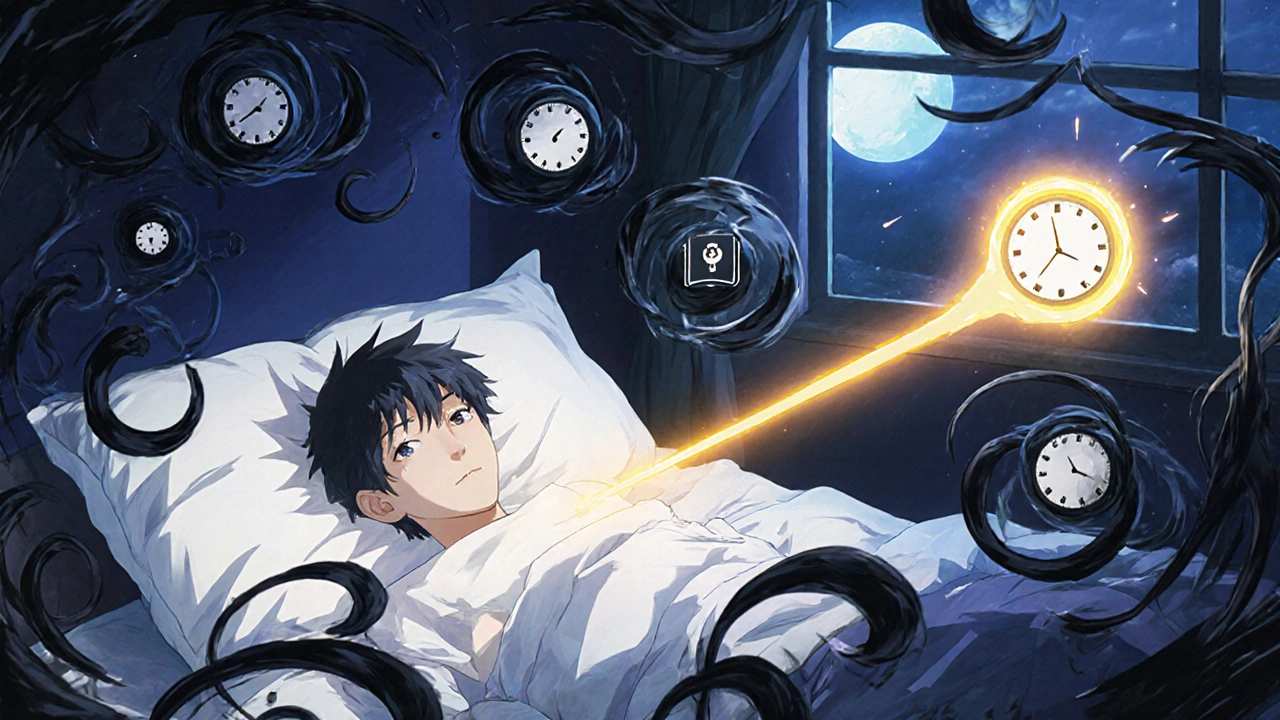
Depression and Sleep: How Poor Sleep Worsens Depression and What You Can Do
When you're stuck in a cycle of depression and sleep, a two-way relationship where low mood disrupts rest, and poor rest deepens sadness. It's not just "I'm tired because I'm sad." It's that your brain's chemistry, your daily rhythm, and your ability to recover from stress all get tangled together. This isn't a minor inconvenience—it's a core part of how depression works.
Insomnia, the inability to fall or stay asleep despite having the chance is one of the most common symptoms of depression. But it's also a trigger. Studies show people with chronic insomnia are more likely to develop depression later. It's not just about counting sheep. Your circadian rhythm, your body's internal clock that controls when you feel alert or sleepy gets thrown off. You stay up late scrolling, skip morning light, nap at odd hours—and your brain starts misfiring on serotonin, melatonin, and cortisol. These aren't just buzzwords. They're the actual chemicals that decide if you feel calm, tired, or overwhelmed.
And then there's the sleep deprivation, a state where you consistently get too little rest, even if you don't have full-blown insomnia. It doesn't just make you grumpy. It lowers your pain threshold, makes you more reactive to stress, and shrinks your ability to think clearly. For someone already struggling with depression, that’s like pouring gasoline on a fire. You stop caring about routines. You eat poorly. You avoid people. And the next night, sleep gets even harder.
Some people think antidepressants will fix sleep problems—but that’s not always true. Some meds help, others make insomnia worse. It’s not one-size-fits-all. What works for one person might leave another lying awake at 3 a.m. feeling more anxious than before. The real fix often isn’t just a pill. It’s rebuilding your daily rhythm: consistent wake-up times, daylight exposure early in the day, cutting screens before bed, and not using your bed for anything but sleep and sex.
You don’t need to be an expert to break this cycle. Small, steady changes matter more than perfect routines. You don’t need to sleep eight hours if you’re only getting five—but you do need to make those five hours as restful as possible. And you don’t have to wait until you "feel better" to start. Action comes before motivation in recovery.
The posts below cover real stories and science-backed approaches: how certain medications affect sleep patterns, why some people with depression sleep too much while others can’t sleep at all, how light therapy helps reset the body clock, and what non-drug strategies actually work. You’ll find clear comparisons, practical tips, and no fluff—just what you need to understand your own sleep and mood better.
Treating insomnia with CBT-I isn't just about better sleep-it's a proven way to reduce depression and anxiety symptoms. Learn how this evidence-based therapy works and why it's more effective than pills.