CBD and Medications: What You Need to Know About Interactions and Safety
When you use CBD, a non-psychoactive compound from the cannabis plant often taken for pain, anxiety, or sleep. Also known as cannabidiol, it is increasingly used alongside prescription drugs—but not without risks. Many people assume because CBD comes from a plant, it’s harmless. But that’s not true. CBD interacts with the same liver enzymes that process over 60% of common medications, which means it can make your pills stronger, weaker, or cause unexpected side effects.
Take metformin, a common diabetes drug. Goldenseal is already known to interfere with it, and CBD does the same thing—reducing absorption and raising blood sugar. Same goes for corticosteroids, like prednisone, used for autoimmune conditions. CBD can slow how fast your body breaks them down, increasing the chance of serious side effects like bone loss or high blood pressure. Even antibiotics, such as clarithromycin or doxycycline. Rulide and Doxt-SL—can become too strong when mixed with CBD, leading to nausea, dizziness, or worse.
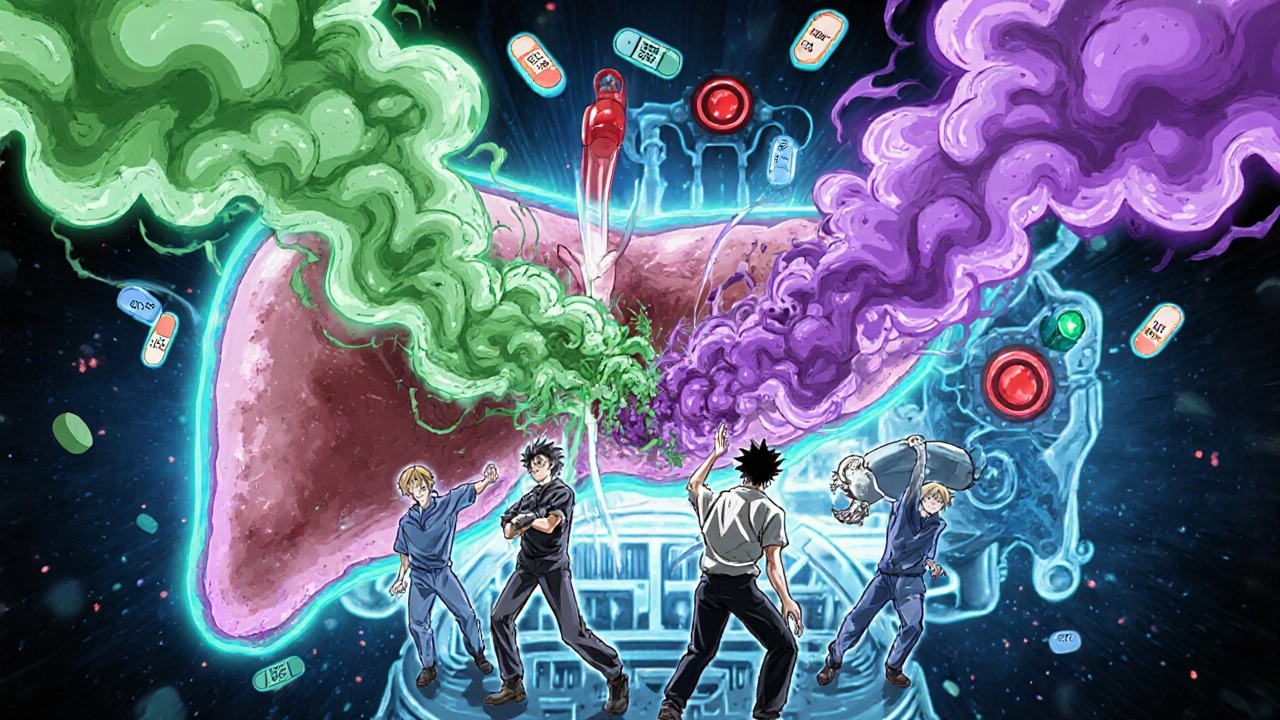
You might not feel anything unusual at first. That’s the problem. These interactions don’t always cause immediate symptoms. They quietly change how your body handles drugs over days or weeks. Someone on blood thinners might start bruising easily. Someone with epilepsy might have more seizures. Someone taking antidepressants could feel overly sedated or anxious. It’s not guesswork—it’s science. The liver’s CYP3A4 and CYP2C19 enzymes handle both CBD and most medications. When CBD floods those pathways, your pills don’t get processed right.
And it’s not just about what’s in the bottle. If you’re using CBD oil, gummies, or topicals, the dose matters. A 5mg gummy might be fine. A 50mg tincture? That’s a different story. Most products aren’t tested for consistency, so you’re never sure how much you’re actually getting. That uncertainty makes predicting interactions even harder.
There’s no blanket rule—some people use CBD safely with their meds. But you can’t assume you’re one of them. The only way to know if it’s safe for you is to talk to your doctor or pharmacist. Bring your bottle. Tell them exactly what you’re taking, including over-the-counter herbs and supplements. Don’t wait for a problem to happen. Ask: "Will this affect how my other medicines work?" That question could prevent a hospital visit.
Below, you’ll find real, practical guides on how CBD interacts with common prescriptions—from diabetes drugs to antibiotics to mood stabilizers. These aren’t theories. They’re based on patient experiences, clinical studies, and FDA warnings. Whether you’re thinking about trying CBD or already using it, this collection gives you the facts you need to stay safe.
Cannabis can dangerously interact with blood thinners, seizure meds, and other prescriptions by affecting liver enzymes. Learn which combinations are high-risk, how to stay safe, and what steps to take if you're using both.