Cannabis CYP450 Interactions: What You Need to Know About Drug Conflicts
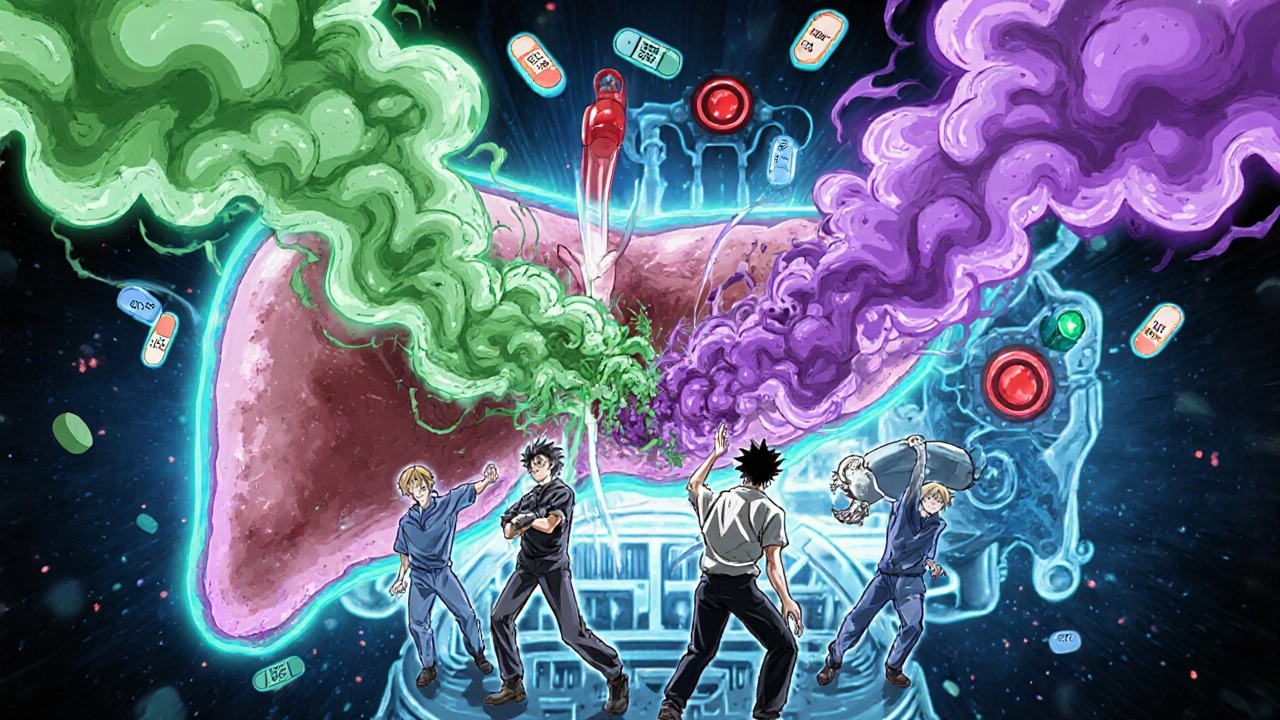
When you use cannabis, a plant-based substance used for medical and recreational purposes, often containing THC and CBD. Also known as marijuana, it can affect how your body processes many common medications. This happens because cannabis interacts with the CYP450 enzyme system, a group of liver enzymes responsible for breaking down over 60% of all prescription drugs. Think of these enzymes as your body’s cleanup crew—they metabolize drugs so they don’t build up to dangerous levels. But cannabis, especially CBD, can slow them down or block them entirely. That means your blood pressure pills, antidepressants, blood thinners, or even painkillers might stay in your system longer than they should—or not work at all.
This isn’t just theory. Studies show people taking warfarin, clobazam, or statins while using CBD have seen dangerous spikes in drug levels. One case reported a patient on clobazam developed severe sedation after starting CBD oil—their blood levels of clobazam jumped by over 60%. That’s not a coincidence. The same thing can happen with antidepressants like SSRIs, or even common pain relievers like ibuprofen. Even if you’re not smoking or vaping, edibles, tinctures, and topicals can still trigger these interactions because they enter your bloodstream. And here’s the kicker: most doctors don’t ask about cannabis use. If you’re taking any prescription meds, assume there’s a risk unless proven otherwise.
It’s not just about cannabis affecting other drugs—other drugs can affect cannabis too. If you’re on a strong CYP450 inducer like rifampin or carbamazepine, your body might break down THC and CBD too fast, making them useless. That’s why some people feel like cannabis stopped working after starting a new antibiotic or seizure med. It’s not in your head—it’s in your liver. The CYP3A4, the most common enzyme in the CYP450 family that handles about half of all drugs. is the main player here, but CYP2C9 and CYP2C19 also get involved, especially with CBD. These same enzymes handle everything from cholesterol meds to anti-seizure drugs to blood thinners. That’s why the list of potential conflicts is so long.
There’s no easy chart to tell you exactly what’s safe. But you don’t need one. All you need to do is talk to your pharmacist. Bring your cannabis product—yes, even if it’s labeled "CBD only"—and ask: "Could this interfere with any of my medications?" Most pharmacists know more about this than your doctor. They see the real-world results every day. And if they don’t know, they can check. Don’t wait for a side effect to happen. Don’t assume natural means safe. Cannabis isn’t harmless just because it’s plant-based. The liver doesn’t care where a compound comes from—it only cares what it does to the enzymes.
Below, you’ll find real stories from people who’ve dealt with these interactions—how they spotted the problem, what they did about it, and how they learned to manage their meds safely with cannabis. These aren’t guesses. These are cases where someone’s life changed because they finally understood what was happening inside their body.
Cannabis can dangerously interact with blood thinners, seizure meds, and other prescriptions by affecting liver enzymes. Learn which combinations are high-risk, how to stay safe, and what steps to take if you're using both.