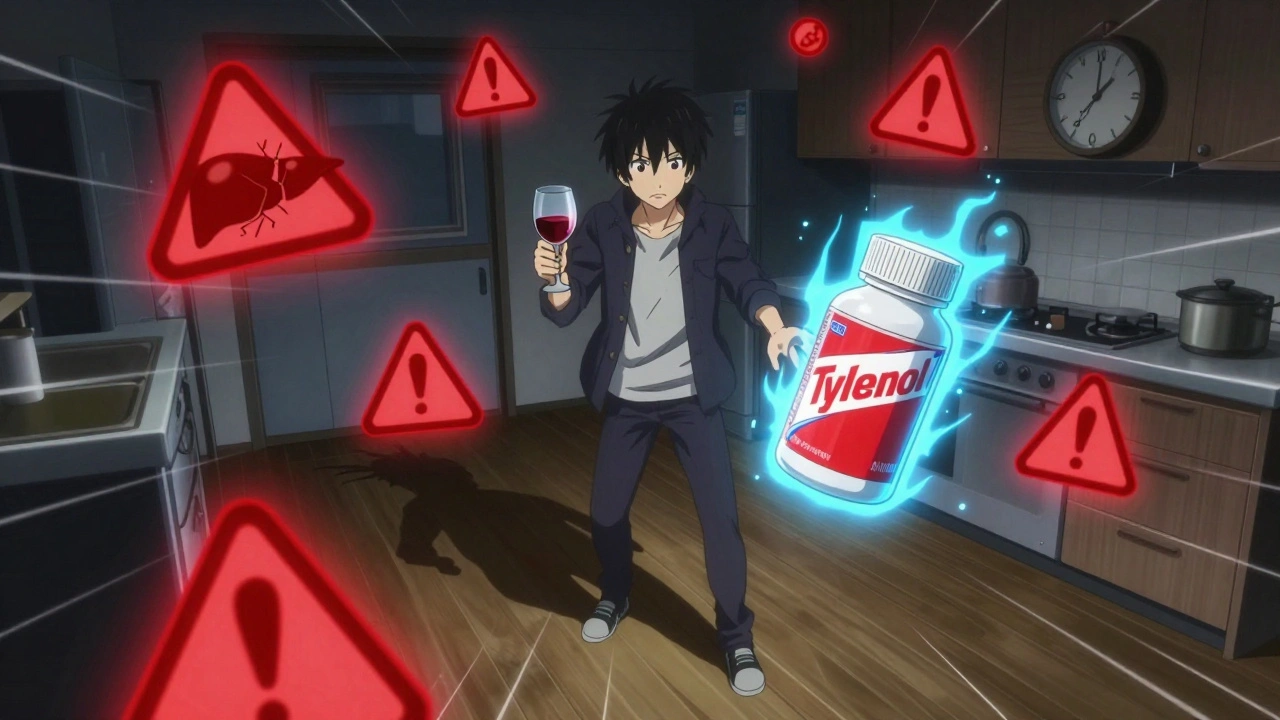
Alcohol and Medication Interactions: Risks, Signs, and What to Avoid
When you mix alcohol and medication interactions, the combined effect can slow your breathing, crash your blood pressure, or overload your liver. Also known as drug-alcohol interactions, this isn’t just a warning on a label—it’s a silent risk millions face every day. Whether you’re taking pain pills, antidepressants, or even over-the-counter sleep aids, alcohol doesn’t just dull the effects—it can turn them deadly.
Many people don’t realize that alcohol, a central nervous system depressant works like a silent partner with other drugs. It doesn’t just add to sedation—it multiplies it. Take opioids or benzodiazepines, for example. Combine them with even one drink, and your risk of respiratory failure jumps. That’s not theory—it’s why emergency rooms see so many overdoses during holidays and weekends. And it’s not just heavy drinkers. A single glass of wine with your nightly painkiller can be enough to trigger a crisis, especially in older adults or people with liver issues.
Liver enzyme interactions, how alcohol changes how your body processes drugs are behind most of the hidden dangers. Alcohol messes with CYP450 enzymes—the same ones that break down antidepressants, blood thinners, and even some antibiotics. This means your meds might build up to toxic levels, or worse, get flushed out too fast and stop working. Think of your liver as a busy factory. Alcohol is like throwing a wrench into the machinery. Suddenly, the wrong parts are moving at the wrong time.
You don’t need to be an alcoholic to be at risk. It’s the everyday habits that sneak up on you: a beer with your arthritis meds, a glass of wine with your anxiety pill, or a shot after your morning blood pressure pill. These aren’t rare mistakes—they’re common. And the signs? Dizziness, confusion, extreme sleepiness, slow breathing, or sudden nausea aren’t just "feeling off." They’re red flags your body is drowning in combined toxins.
Some interactions are worse than others. MAO inhibitors, for example, can spike your blood pressure to dangerous levels when mixed with alcohol. Even common meds like metformin or statins can turn risky. And don’t assume natural supplements are safe—St. John’s wort or goldenseal can do the same damage as alcohol when paired with prescriptions.
This collection of articles doesn’t just list risks—it shows you what to watch for, who’s most vulnerable, and how to talk to your doctor without sounding alarmist. You’ll find real cases: someone who thought one drink was fine, then ended up in the ER. Another who didn’t know their sleep aid and whiskey were a deadly combo. These aren’t outliers. They’re examples of what happens when we don’t ask the right questions.
What you’ll find below isn’t just a list of warnings. It’s a practical guide to spotting trouble before it hits. From the quiet dangers of mixing alcohol with antidepressants to the life-saving steps you can take if you’re already on multiple meds, these posts give you the tools to protect yourself—no medical degree needed.
Mixing alcohol with common medications can cause serious health risks-from liver damage to breathing failure. Learn which drugs are dangerous with alcohol, how to stay safe, and what to do if you’ve already mixed them.