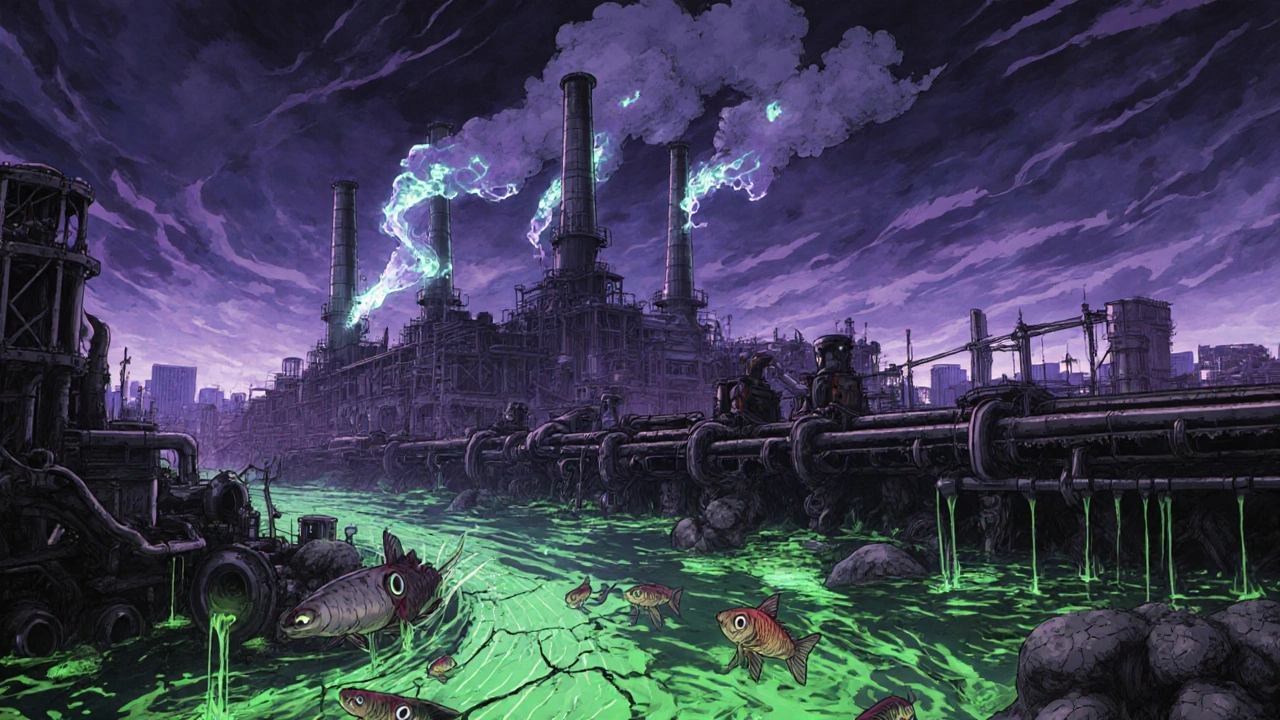
Pharmaceutical Waste: How Improper Disposal Hurts Health and Environment
When you flush old pills or toss expired meds in the trash, you’re contributing to pharmaceutical waste, unused or discarded medications that enter ecosystems through improper disposal. Also known as medication waste, it’s not just a trash problem—it’s a public health and environmental crisis. Every year, millions of pounds of drugs end up in landfills, rivers, and drinking water supplies. Even tiny traces of antibiotics, hormones, and painkillers can disrupt aquatic life, trigger antibiotic resistance, and contaminate the water you drink.
This isn’t just about people throwing away old prescriptions. It’s tied to how we use and dispose of everything from antibiotics, like tetracycline and doxycycline used for Lyme disease to hormone therapies, including those for thyroid or mental health conditions. When these drugs aren’t taken as directed or are stockpiled, they become waste. And when they’re flushed or dumped, they don’t just disappear—they enter the water cycle. Studies show traces of antidepressants in fish, birth control chemicals altering frog reproduction, and antibiotics in drinking water contributing to superbugs. The same drug disposal, the process of safely getting rid of unused medications that’s ignored at home is being addressed in hospitals and pharmacies, but most of us still don’t know how to do it right.
You might think your old bottle of Celecoxib or Sildigra Softgel doesn’t matter, but when thousands of people do the same thing, it adds up. Improper disposal isn’t just careless—it’s dangerous. It fuels environmental contamination, weakens the effectiveness of life-saving drugs, and puts future generations at risk. The good news? There are safer ways. Take-back programs, community drop-offs, and proper packaging guidelines exist. You don’t need to be an expert to make a difference. What you do with that empty pill bottle matters more than you realize.
Below, you’ll find real guides on the medications you use—how they work, who they help, and what happens when they’re not handled right. From antibiotics that fight resistance to pain relievers that affect blood pressure, these articles show the full picture: not just how drugs treat illness, but how their lifecycle—from prescription to disposal—impacts us all.
Cefprozil manufacturing and disposal contribute to antibiotic pollution in water and soil, fueling resistance. Learn how it enters the environment and what you can do to help.