Opioid Overdose Symptoms: What to Watch For and How to Respond
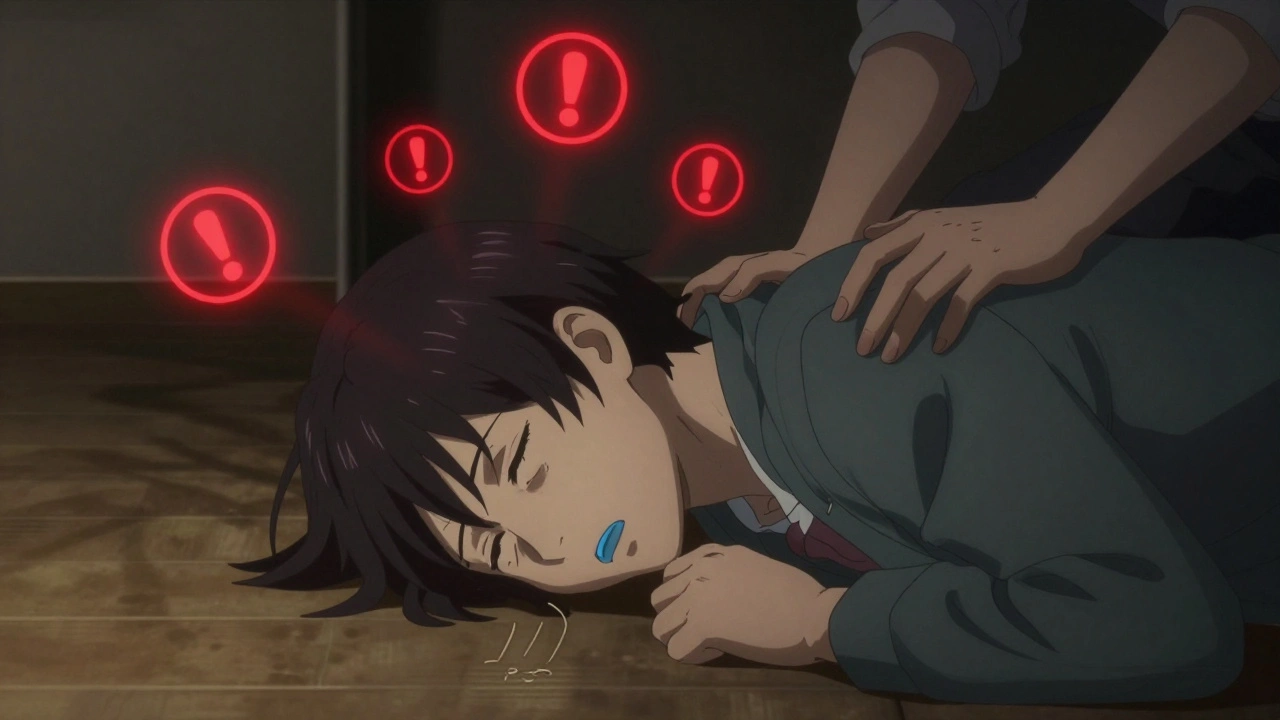
When someone overdoses on opioids, a class of drugs that include prescription painkillers like oxycodone and illegal substances like heroin and fentanyl. Also known as narcotics, these drugs slow down your breathing — and in high doses, they can stop it completely. An opioid overdose isn’t always obvious. It doesn’t always involve passed-out users or empty pill bottles. Sometimes, it’s just a person who won’t wake up, whose breathing is shallow or irregular, or whose lips turn blue. This isn’t a dramatic movie scene — it’s real, and it’s happening right now.
One of the most dangerous things about fentanyl, a synthetic opioid 50 to 100 times stronger than morphine is how little it takes to cause an overdose. A few grains of powder — less than a grain of salt — can kill. And because it’s often mixed into other drugs without the user’s knowledge, people who think they’re taking heroin or oxycodone might actually be taking something far more potent. That’s why knowing the opioid overdose symptoms isn’t just helpful — it’s life-saving. Look for these three signs: unresponsiveness, slow or stopped breathing, and pinpoint pupils. Skin turning blue or gray, especially around the lips and fingernails, means oxygen is dropping fast. Gurgling or choking sounds aren’t just noise — they’re the body struggling to breathe.
Time is everything. If you suspect an overdose, don’t wait. Call 911 immediately. If you have naloxone, a medication that can reverse an opioid overdose in minutes, use it right away. It’s safe, easy to use, and works even if you’re not sure what drug was taken. Naloxone doesn’t work on alcohol, benzodiazepines, or stimulants — but if opioids are involved, it can bring someone back. And even if they wake up after the first dose, they might need more. Opioids stay in the system longer than naloxone, so the person can slip back into overdose. That’s why emergency help is non-negotiable.
You don’t need to be a doctor to help. You don’t need to judge. You just need to act. Whether you’re a parent, a friend, a neighbor, or someone who uses these drugs yourself — recognizing these signs could mean the difference between life and death. The posts below cover what happens to the body during an overdose, how medications like naloxone work, why some people are at higher risk, and what steps you can take to protect yourself or someone you care about. There’s no shame in asking for help. There’s only risk in staying silent.
Learn the key signs of medication overdose - from opioid respiratory failure to stimulant heart attacks - and what to do immediately to save a life. Includes symptoms by drug type and how to use naloxone.