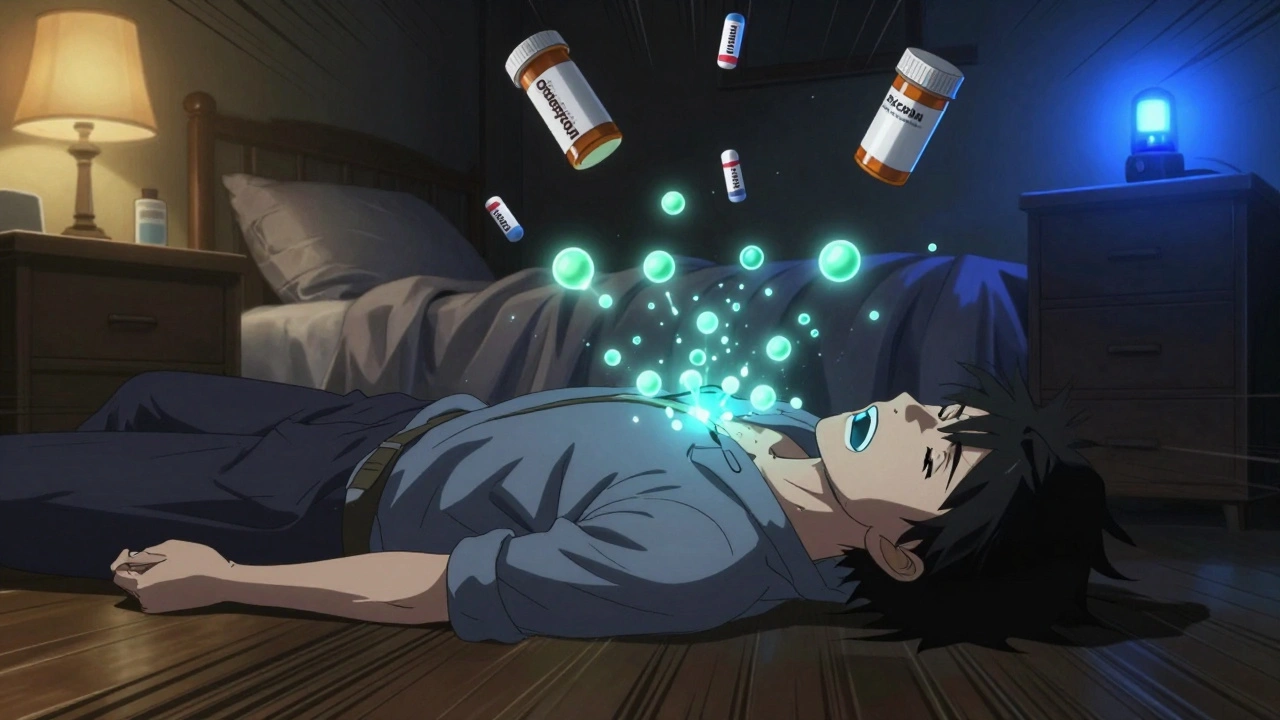
Medication Risks: What You Need to Know About Dangerous Interactions and Side Effects
When you take a medication, a substance used to treat, cure, or prevent disease. Also known as drug, it's meant to help—but it can also harm if not used carefully. Many people assume that because a pill is prescribed or sold over the counter, it’s safe. But medication risks are real, and they don’t always show up on the label. A simple mix of your blood pressure pill and a common herbal supplement can trigger a life-threatening reaction. That’s not a rare case—it’s happening more often than you think.
One of the biggest hidden dangers is drug interactions, when two or more medications affect each other’s action in the body. Take MAO inhibitors, a class of antidepressants that can cause deadly spikes in blood pressure or serotonin overload. Mixing them with common cold meds, painkillers, or even dark chocolate can lead to serotonin syndrome, a potentially fatal condition caused by too much serotonin in the nervous system. Or consider opioids, powerful pain relievers that can suppress testosterone and cause fatigue, low libido, and muscle loss over time. These aren’t side effects you’d expect from a pain pill—they’re long-term consequences that slip under the radar.
It’s not just prescription drugs. supplement interactions, harmful reactions between herbal products and pharmaceuticals are growing fast. People think "natural" means safe, but goldenseal can wreck your diabetes meds. St. John’s wort can cancel out birth control. Cannabis can interfere with blood thinners and seizure drugs. And expired antibiotics? They don’t just lose power—they fuel deadly antibiotic resistance. Even your sleep schedule affects how your body processes meds. If you’re taking insulin or beta-blockers, poor sleep can turn a safe dose into a dangerous one.
These risks don’t care if you’re young or old, healthy or sick. Older adults are especially vulnerable—hypoglycemia can sneak up without warning. People with obesity often get underdosed because standard pill amounts don’t account for body composition. And when you switch from brand to generic, your brain might convince you the pill isn’t working, even when it’s chemically identical. That’s the placebo effect, how your expectations influence how you feel about a medication—and it’s real enough to make you stop taking something that’s actually helping.
Knowing the risks isn’t about fear. It’s about control. You don’t need to avoid meds—you need to understand them. What you’ll find below isn’t a list of scary stories. It’s a practical guide to spotting danger before it hits. From how to talk to your pharmacist about costs and interactions, to why your thyroid meds might be making your heart race, to what actually happens when you mix antibiotics with your morning coffee—every post here answers a question someone didn’t know to ask. These are the things your doctor might not have time to explain. The stuff that slips through the cracks. The truths behind the labels. Read them. Use them. Keep yourself safe.
Combining sedating medications like opioids, benzodiazepines, and sleep aids can cause deadly respiratory depression. Learn the most dangerous combinations, warning signs, and how to stay safe.