Hypertensive Crisis: Signs, Risks, and What to Do Immediately
When your blood pressure spikes dangerously high—above 180/120 mm Hg—you’re facing a hypertensive crisis, a sudden, severe increase in blood pressure that can damage organs and lead to stroke, heart attack, or kidney failure. Also known as hypertensive emergency, it’s not just a bad reading—it’s a medical emergency that demands immediate action. This isn’t something you can wait out or treat with home remedies. Every minute counts.
A hypertensive urgency, a related but less immediately life-threatening condition where blood pressure is extremely high but without organ damage can quickly turn into a full crisis if ignored. Many people don’t realize they’re at risk until symptoms hit: severe headache, blurred vision, chest pain, shortness of breath, or confusion. These aren’t normal side effects—they’re red flags. People on blood pressure meds are especially vulnerable if they miss doses, take expired pills, or mix drugs like opioids or stimulants that interfere with their treatment. In fact, medication overdose, a common cause of sudden blood pressure spikes is listed in several posts here, and it’s no coincidence—many of these drug interactions directly trigger or worsen a hypertensive crisis.
What makes this even more dangerous is how silent it can be. Some people feel fine until their brain, heart, or kidneys start failing. That’s why knowing your numbers matters. If you’ve ever been told you have high blood pressure, you’re not just managing a number—you’re preventing a crisis. And if you’re on multiple medications, especially sedatives, antidepressants, or stimulants, you need to understand how they interact. A single wrong combo, like mixing opioids with benzodiazepines, can crash your system or send your blood pressure through the roof. Even herbal supplements like goldenseal or cannabis can interfere with your meds in ways you wouldn’t expect.
This collection of posts doesn’t just talk about high blood pressure in general—it dives into the real-world causes, hidden triggers, and life-saving responses. You’ll find what happens when drugs fail, how expired antibiotics or incorrect dosing can backfire, and why synchronization of refills isn’t just convenient—it’s critical. You’ll also see how conditions like hyperthyroidism or obesity change how your body handles meds, making a crisis more likely. These aren’t theoretical scenarios. They’re stories of people who ignored early signs, didn’t know their meds were interacting, or thought a headache was just stress.
Below, you’ll find real, practical guides on what to do when things go wrong—how to spot the warning signs, what to avoid, and how to prevent this from ever happening to you or someone you love. No fluff. No guesswork. Just what you need to know before the next spike hits.
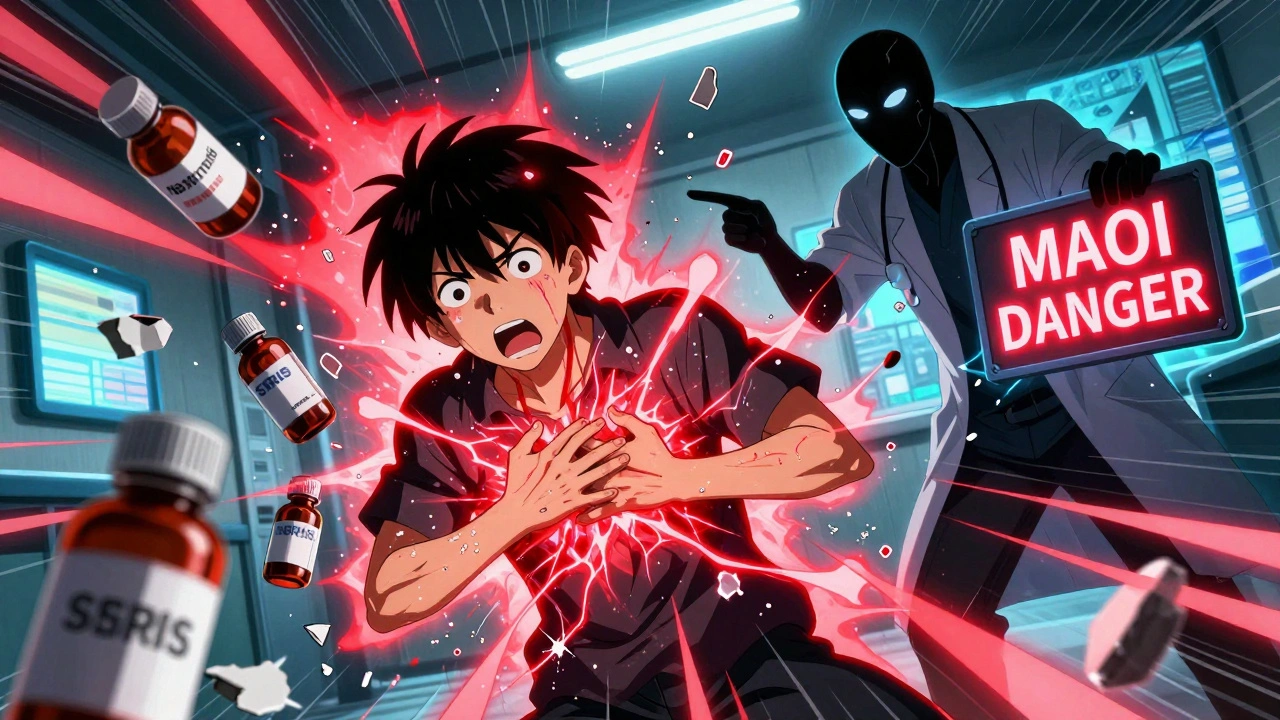
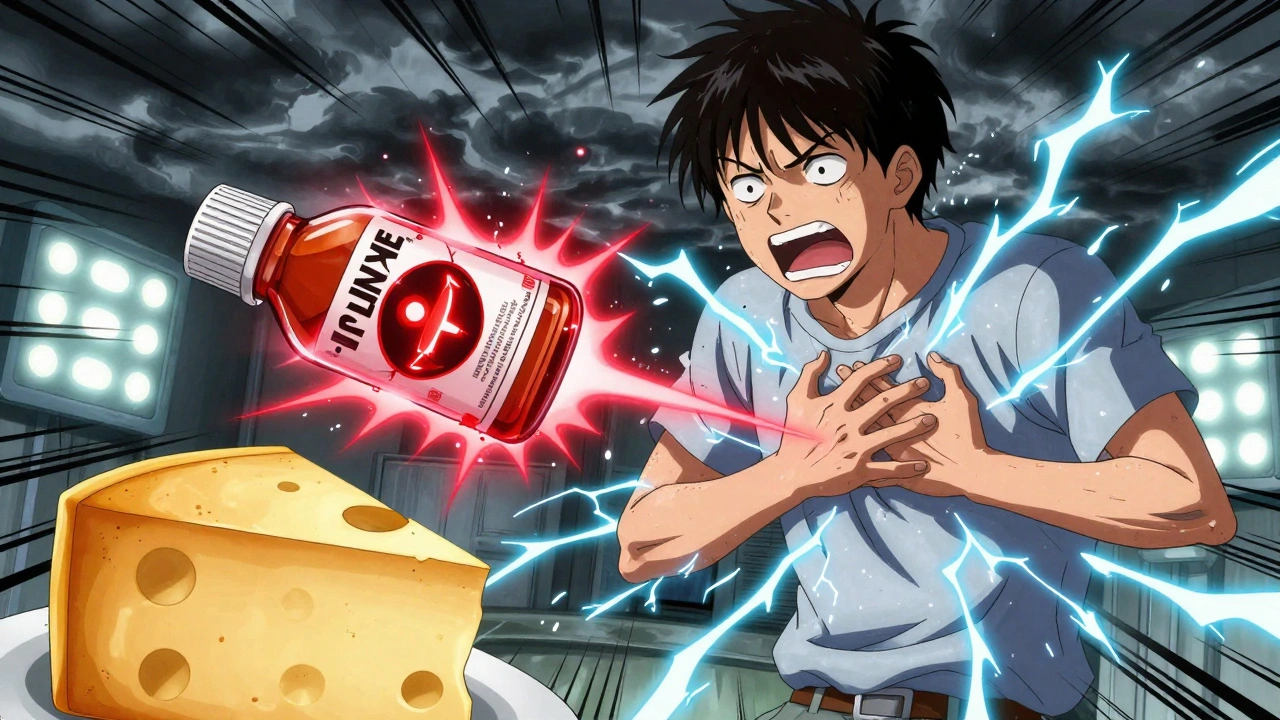
MAO inhibitors can save lives-but only if you avoid deadly interactions with common medications, supplements, and foods. Learn what’s safe and what can kill you.
MAO inhibitors can be life-saving for treatment-resistant depression-but dangerous if mixed with common medications, foods, or supplements. Learn the deadly interactions, what to avoid, and how to stay safe.