Environmental Impact of Medications: What You Need to Know
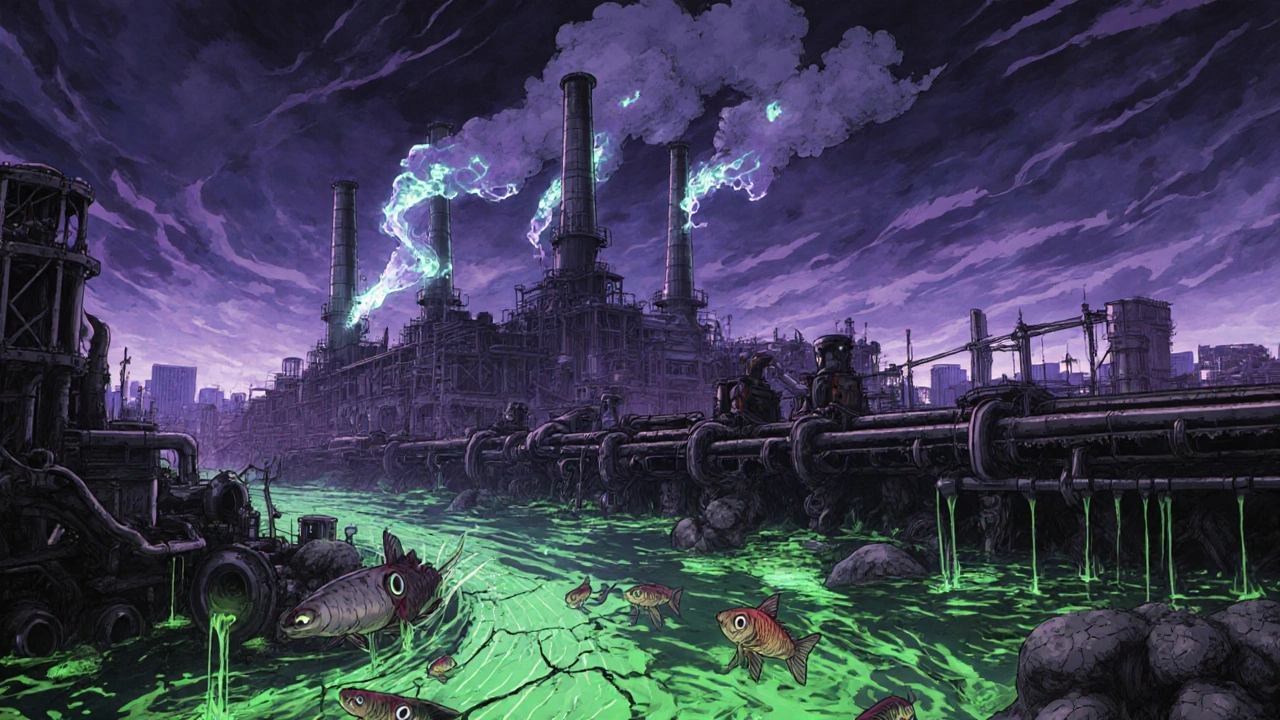
When you take a pill, it doesn’t just disappear after it does its job. The environmental impact, the unintended consequences pharmaceuticals have on ecosystems, water supplies, and wildlife. Also known as pharmaceutical pollution, it’s a quiet crisis happening right under our noses. Every year, millions of tons of active drug ingredients end up in rivers, lakes, and groundwater—not because of spills, but because of normal use: flushing old meds, washing off residues, or simply through human waste that wastewater plants can’t fully filter out.
This isn’t just about dirty water. antibiotic resistance, the growing threat where bacteria evolve to survive drugs meant to kill them. Also known as superbugs, it’s worsened by trace amounts of antibiotics like tetracycline and doxycycline leaking into the environment from farms and hospitals. Studies show fish in polluted rivers are developing male characteristics from estrogen-like compounds in birth control pills. Birds and frogs are showing abnormal behavior because of antidepressants in their water. Even drug disposal, how people get rid of unused or expired medicines. Also known as medication waste management, it’s often done wrong—flushing, tossing in trash, or dumping down the drain—instead of using safe take-back programs. These aren’t distant problems. They’re in your local stream, your tap water, and the food chain.
The good news? You don’t need to stop taking your meds to help. Small choices make a big difference. Don’t flush pills. Use pharmacy take-back bins. Ask your doctor if you really need that extra supply. Support brands that use eco-friendly packaging. And when you read about drugs like acetazolamide or celecoxib, remember: their effect doesn’t end at your body. Their journey continues into the environment. The posts below dig into real medications you’re taking—and how their use, side effects, and disposal quietly shape the world around you. You’ll find clear, no-fluff breakdowns of what’s happening, why it matters, and how you can be part of the solution.
Cefprozil manufacturing and disposal contribute to antibiotic pollution in water and soil, fueling resistance. Learn how it enters the environment and what you can do to help.