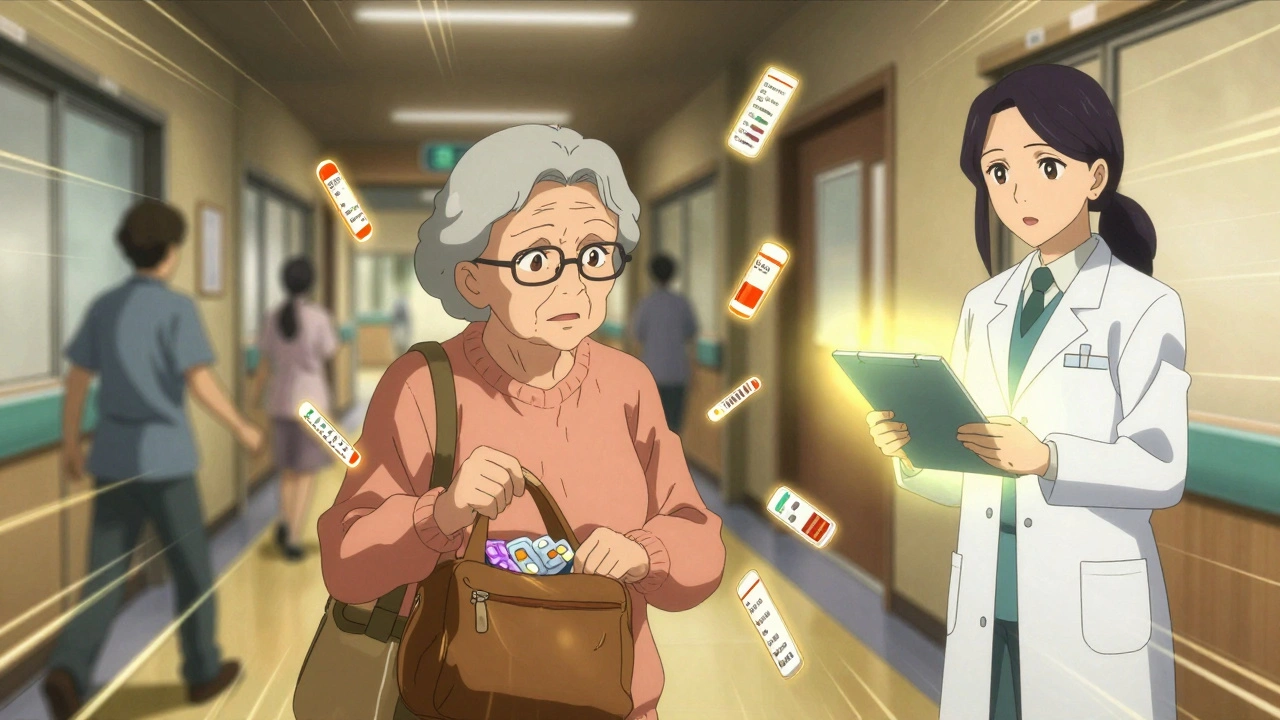
Discharge Safety: How to Leave the Hospital Without Risking Your Health
When you leave the hospital, discharge safety, the process of ensuring patients leave with clear instructions, proper meds, and support to avoid dangerous setbacks. Also known as post-hospital transition planning, it’s not just a form you sign—it’s the line between healing and returning in worse shape. Too many people go home thinking they’re fine, only to end up back in the ER because no one explained what to watch for, how to take their new pills, or when to call for help.
medication safety, the practice of using drugs correctly to avoid harm, overdose, or dangerous interactions is the biggest piece of discharge safety. Studies show nearly half of all readmissions within 30 days are linked to medication errors after discharge. Maybe you got three new prescriptions, had one stopped, and were told to cut another in half—but no one checked if you understood what each one does, when to take it, or what happens if you mix them with alcohol or supplements like St. John’s wort. That’s not just confusing—it’s dangerous. hospital discharge, the formal process of releasing a patient from medical care with follow-up plans should include a real conversation, not just a handout. Ask: What’s the #1 side effect I should worry about? What happens if I miss a dose? Who do I call at night if I feel worse?
And it’s not just about pills. medication adherence, how well patients follow their prescribed treatment plan drops off fast after leaving the hospital. People forget. They’re overwhelmed. They can’t afford the meds. They don’t know how to refill them. One study found that patients who got a single follow-up call within 48 hours of discharge were 30% less likely to be readmitted. That’s not magic—that’s just someone checking in. Discharge safety means making sure you’re not left alone with a bag of pills and no roadmap. It means knowing your next appointment is booked, your blood test is scheduled, and your caregiver understands the signs of trouble—like confusion, swelling, or sudden weakness.
Real discharge safety isn’t about checking boxes. It’s about asking the hard questions before you walk out. Did they explain why you’re on this new drug? Did they tell you what not to mix it with? Did they give you a written plan you can actually read? If you left without answers, you didn’t get safe discharge—you got lucky. The posts below cover everything from how to spot dangerous drug interactions after hospitalization, to what to do if your meds don’t match your insurance coverage, to why mixing sedatives at home can be deadly. You’ll find real stories, clear checklists, and no fluff—just what you need to stay out of the hospital after you leave it.
Learn how to prevent dangerous medication errors when leaving the hospital, especially for seniors on multiple drugs. Key steps include pharmacist-led reconciliation, the Teach-Back method, and follow-up within 7 days.