Cannabis Drug Interactions: What You Need to Know Before Using Both
When you use cannabis, a plant-based substance used for medical or recreational purposes, often containing THC and CBD. Also known as marijuana, it can affect how your body processes other medicines. This isn’t just about feeling higher or lower—it’s about real, measurable changes in how drugs like blood thinners, antidepressants, or seizure meds behave in your system. Many people assume because cannabis is natural, it’s harmless alongside their prescriptions. That’s not true. Studies show it can either make medications stronger, weaker, or trigger unexpected side effects.
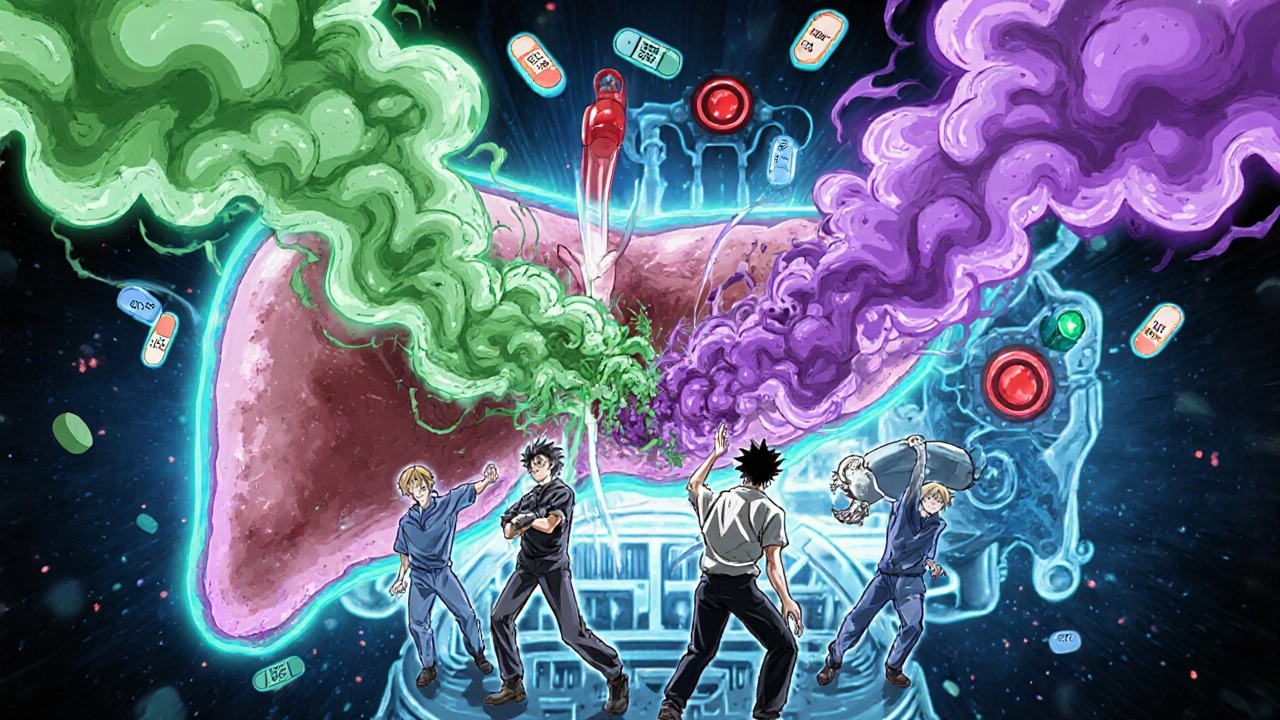
CBD, a non-psychoactive compound in cannabis often used for pain, anxiety, or sleep. Also known as cannabidiol, it blocks liver enzymes that break down over 60% of common drugs. That means if you’re on statins, blood pressure pills, or even opioids, CBD can cause them to build up in your blood—raising your risk of overdose. On the flip side, THC, the main psychoactive component in cannabis that causes the high. Also known as tetrahydrocannabinol, it can amplify drowsiness from sedatives or make dizziness worse when mixed with alcohol or anti-anxiety meds. People taking warfarin, clobazam, or metformin have reported serious issues after adding cannabis to their routine.
These aren’t rare cases. A 2023 study in the Journal of Clinical Pharmacy and Therapeutics tracked 1,200 patients using cannabis alongside prescription drugs. Nearly 40% experienced changes in how their meds worked—some needed dose adjustments, others had to stop one or the other. The biggest red flags? Mixing cannabis with antidepressants, anticoagulants, or diabetes meds. Even over-the-counter stuff like melatonin or ibuprofen can react unpredictably. And here’s the catch: most doctors don’t ask about cannabis use. If you’re taking it, you have to bring it up.
You’ll find real stories in the posts below—like how goldenseal messes with metformin, or how St. John’s wort clashes with antidepressants. Those aren’t outliers. They’re examples of the same principle: natural doesn’t mean safe when combined with pharmaceuticals. The same rules apply to cannabis. Whether you’re using oils, edibles, or flower, your body treats it like a drug. And drugs talk to each other. What you’ll see in these articles isn’t theory—it’s what people actually experienced when they didn’t know the risks. The goal isn’t to scare you. It’s to help you avoid surprises. Your health isn’t a gamble. Know what you’re mixing before you take it.
Cannabis can dangerously interact with blood thinners, seizure meds, and other prescriptions by affecting liver enzymes. Learn which combinations are high-risk, how to stay safe, and what steps to take if you're using both.