Cannabis and Epilepsy Drugs: What Works, What Risks, and What You Need to Know
When people with epilepsy turn to cannabis and epilepsy drugs, cannabis-derived compounds used to reduce seizure frequency, often alongside traditional antiepileptic medications. Also known as medical marijuana for seizures, it’s not a replacement for prescribed treatment—it’s a complementary option many are exploring after standard drugs fail. The most studied compound here is CBD, or cannabidiol, which the FDA approved in 2018 as Epidiolex for two rare, severe forms of childhood epilepsy. But what happens when you mix it with your regular seizure meds? That’s where things get complicated.
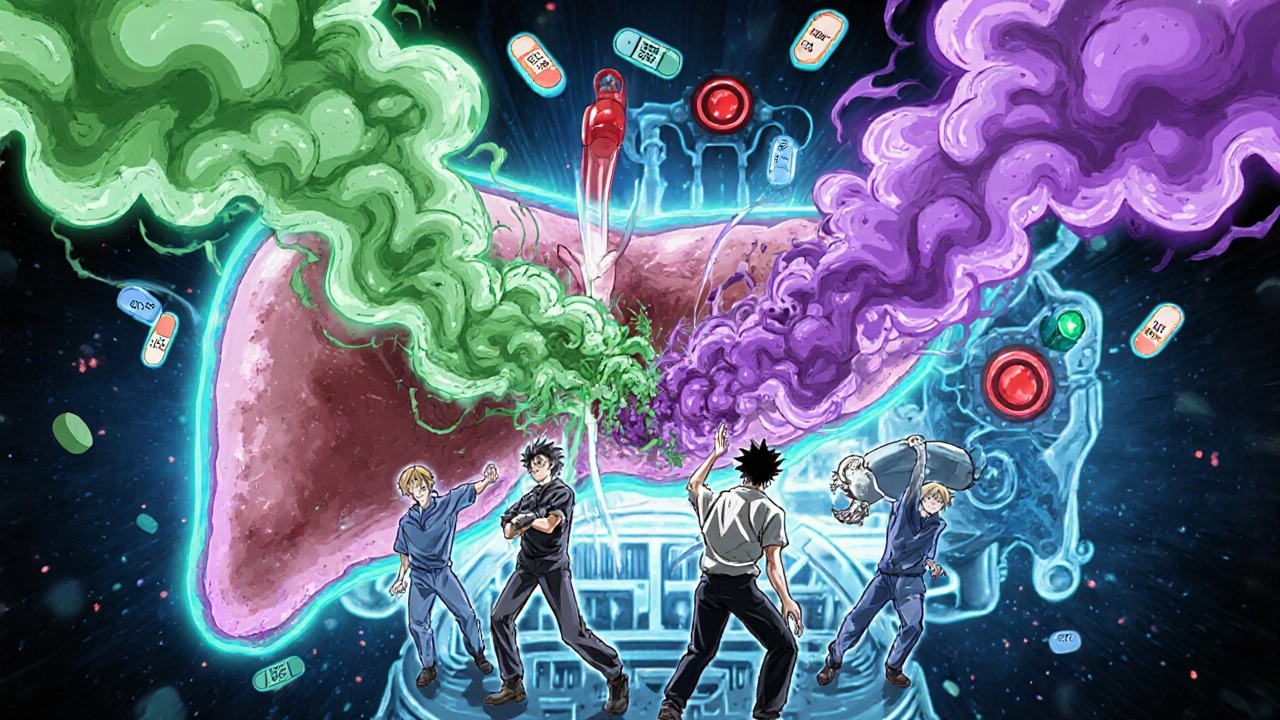
Many of the posts in this collection focus on how drugs interact—like how antiepileptic drugs, medications like carbamazepine, valproate, and clobazam used to control seizures. Also known as AEDs, they can change how your body processes other substances. For example, CBD can slow down the liver enzymes that break down clobazam, causing it to build up in your system and increase drowsiness or other side effects. It’s not just about CBD either—some people use full-spectrum cannabis oil, which includes THC and other cannabinoids. That opens the door to even more unpredictable interactions. And while some studies show reduced seizure frequency with CBD, others show no benefit, or worse, increased side effects when combined with certain AEDs.
What’s missing from most online discussions is the real-world impact: patients who switched to cannabis products without telling their neurologist, then ended up in the ER with dangerously high drug levels. Or those who stopped their prescribed meds thinking cannabis was a cure, only to face more frequent seizures. The truth is, this isn’t a simple choice between natural and pharmaceutical. It’s about managing complex biology, drug metabolism, and individual responses. You need to know how your specific meds work, what CBD does to them, and whether your doctor has experience with this combo.
Below, you’ll find real guides on how drugs interact, how generics compare to brands, how side effects sneak up on you, and how to talk to your pharmacist before making any changes. These aren’t theoretical articles—they’re practical tools for people who are trying to stay safe while exploring options beyond the standard prescription. Whether you’re considering CBD, already using it, or just curious, this collection gives you the facts you won’t get from a YouTube video or a wellness blog.
Cannabis can dangerously interact with blood thinners, seizure meds, and other prescriptions by affecting liver enzymes. Learn which combinations are high-risk, how to stay safe, and what steps to take if you're using both.