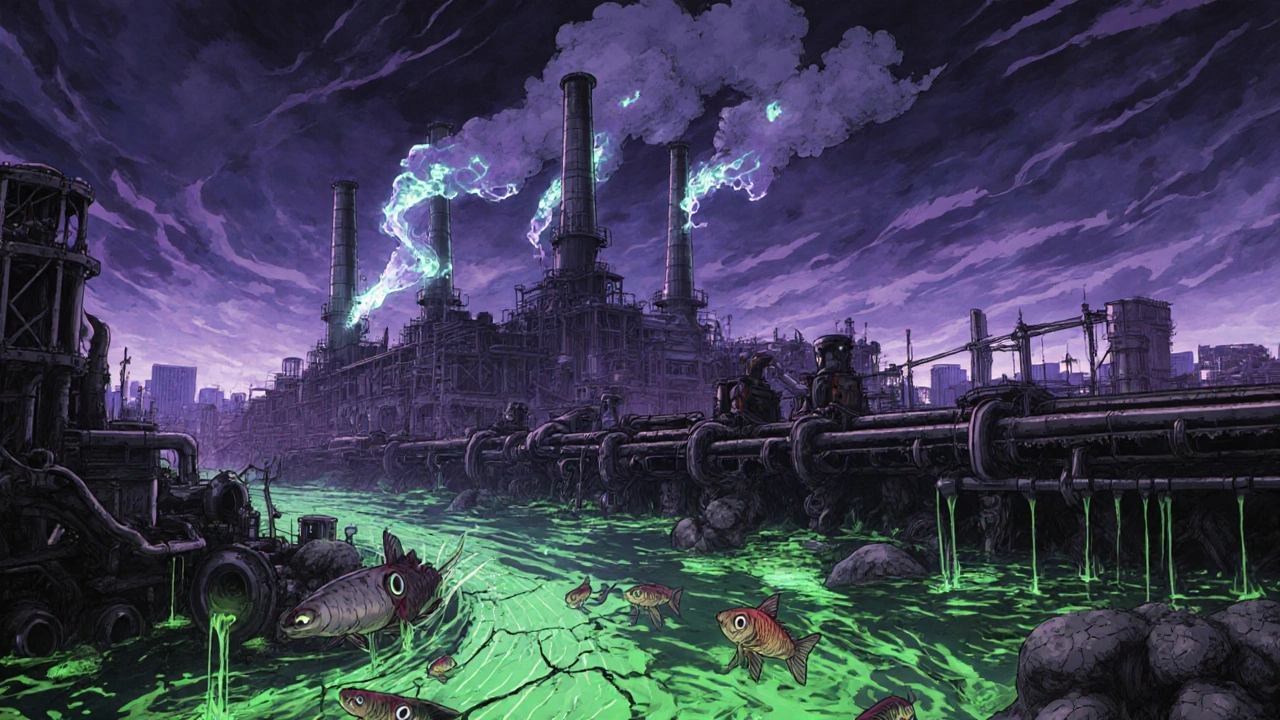
Antibiotic Pollution: How Medicines Contaminate Our Water and What It Means for You
When you take an antibiotic, a medicine designed to kill or slow down harmful bacteria. Also known as antibacterial drugs, they save lives—but when they’re flushed, poured down the drain, or left in medicine cabinets, they become part of a hidden crisis: antibiotic pollution, the release of antibiotic compounds into the environment through human and agricultural waste.
This isn’t just about dirty water. Antibiotic resistance, when bacteria evolve to survive drug exposure is growing fast because low levels of antibiotics linger in rivers, soil, and even tap water. Microbes in the environment are constantly exposed to these traces, and over time, they learn to shrug them off. That’s why infections like urinary tract infections, pneumonia, and even minor cuts are becoming harder to treat. The World Health Organization calls this one of the top global health threats—and it’s not just happening in hospitals. It’s in the water you drink, the fish you eat, and the crops grown with contaminated irrigation.
Where does it come from? Most of it isn’t from you flushing pills. It’s from farms that use antibiotics to keep livestock healthy or speed up growth. It’s from factories that dump drug waste into rivers without proper treatment. It’s from hospitals and homes where unused meds end up in landfills that leak into groundwater. Even the pills you don’t finish can contribute. If you’ve ever been told to throw antibiotics in the trash instead of the toilet, that’s because sewage systems can’t filter them out.
And here’s the scary part: we’re already seeing resistant bacteria in places no one expected—remote lakes, Arctic ice, and even drinking water supplies in major cities. Studies show antibiotic residues in over 70% of tested rivers in some countries. These aren’t just traces—they’re enough to trigger bacterial changes that spread resistance genes like wildfire. That means the next time you get sick, the antibiotic your doctor prescribes might not work, not because you didn’t take it right, but because the bacteria have already learned to survive it.
What can you do? Don’t take antibiotics unless you really need them. Never save leftover pills for later. Don’t pressure your doctor for antibiotics for a cold or flu—they don’t work on viruses. And if you’re buying meds online, make sure you’re getting them from trusted sources. The same sites selling cheap generic Zyrtec or Neurontin might also push antibiotics without prescriptions, which fuels misuse and pollution.
Behind every antibiotic pill is a chain: from the factory to your body, to the sewer, to the river, to the next person who gets infected. And that chain is breaking. The posts below dive into real cases where antibiotics are misused, how they affect the environment, and what alternatives exist to reduce the damage. You’ll find guides on secnidazole and doxycycline, how bacterial resistance works, and why proper disposal matters more than you think. This isn’t just about medicine—it’s about keeping the tools we have from becoming useless.
Cefprozil manufacturing and disposal contribute to antibiotic pollution in water and soil, fueling resistance. Learn how it enters the environment and what you can do to help.