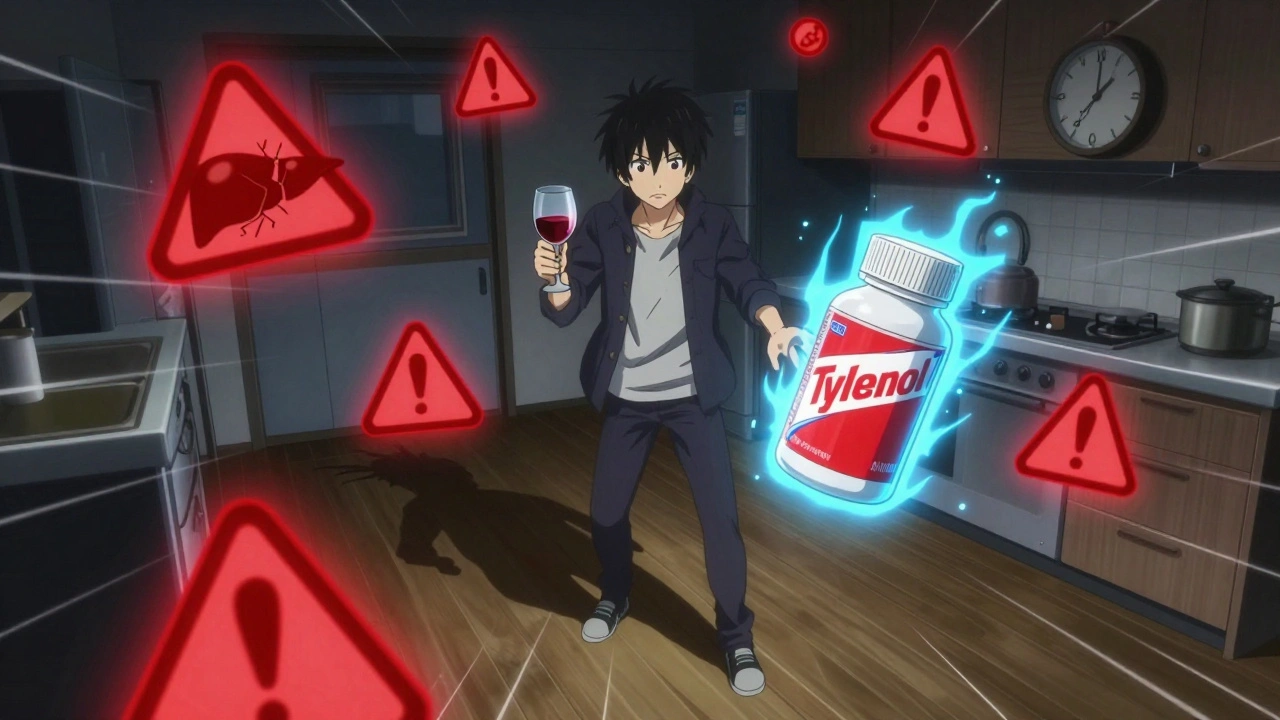
Alcohol Drug Interactions: Risks, Signs, and What to Avoid
When you mix alcohol, a central nervous system depressant commonly found in beer, wine, and spirits with prescription medications, drugs designed to treat specific medical conditions like depression, pain, or high blood pressure, the results aren’t just unpredictable—they can be deadly. This isn’t about occasional drinks with a pill. It’s about how alcohol changes how your body processes medicine, often silently, until it’s too late. Alcohol affects the same liver enzymes—CYP450—that break down over 80% of common drugs. When it floods your system, it either slows down drug breakdown (making side effects worse) or speeds it up (making the drug useless). The result? Dizziness, fainting, internal bleeding, liver damage, or sudden respiratory failure.
Some of the most dangerous combinations involve sedating medications, including opioids, benzodiazepines, and sleep aids that slow brain activity. Add alcohol, and your breathing can stop. That’s why mixing alcohol with painkillers like oxycodone or anxiety meds like Xanax is one of the top causes of accidental overdose. Even common drugs like MAO inhibitors, used for treatment-resistant depression, become risky. Alcohol can trigger a sudden spike in blood pressure, leading to stroke or heart attack. And it’s not just pills—alcohol also messes with diabetes meds, blood thinners, and even antibiotics. One study found that people who drank while on metformin had a 30% higher chance of lactic acidosis. You don’t need to be a heavy drinker for this to happen. A single glass of wine with your evening pill can be enough.
What makes this worse is that most people don’t realize they’re at risk. Pharmacists rarely warn you unless you ask. Doctors assume you’ll read the label. But labels say "avoid alcohol" without explaining why. You need to know the signs: unusual drowsiness, nausea, rapid heartbeat, confusion, or fainting after drinking—even a little. If you take any regular medication, check if alcohol is listed as a risk. If it’s not, ask. Don’t assume it’s safe. The truth is, alcohol isn’t just a social drink—it’s a powerful chemical that interacts with your body in ways you can’t control. Below, you’ll find real, practical guides on exactly which medications clash with alcohol, what symptoms to watch for, and how to protect yourself without giving up your health.
Mixing alcohol with common medications can cause serious health risks-from liver damage to breathing failure. Learn which drugs are dangerous with alcohol, how to stay safe, and what to do if you’ve already mixed them.