Medication Overdose Signs: What to Watch For and When to Act
When someone takes too much of a medication, the body doesn’t just feel off—it can start shutting down. Medication overdose signs, visible physical and mental changes that signal a dangerous excess of drugs in the system. Also known as drug toxicity, these signs aren’t always obvious until it’s too late. It’s not just about pills taken by accident. Mixing medications, misunderstanding dosages, or combining drugs with alcohol can push even carefully managed treatments into life-threatening territory.
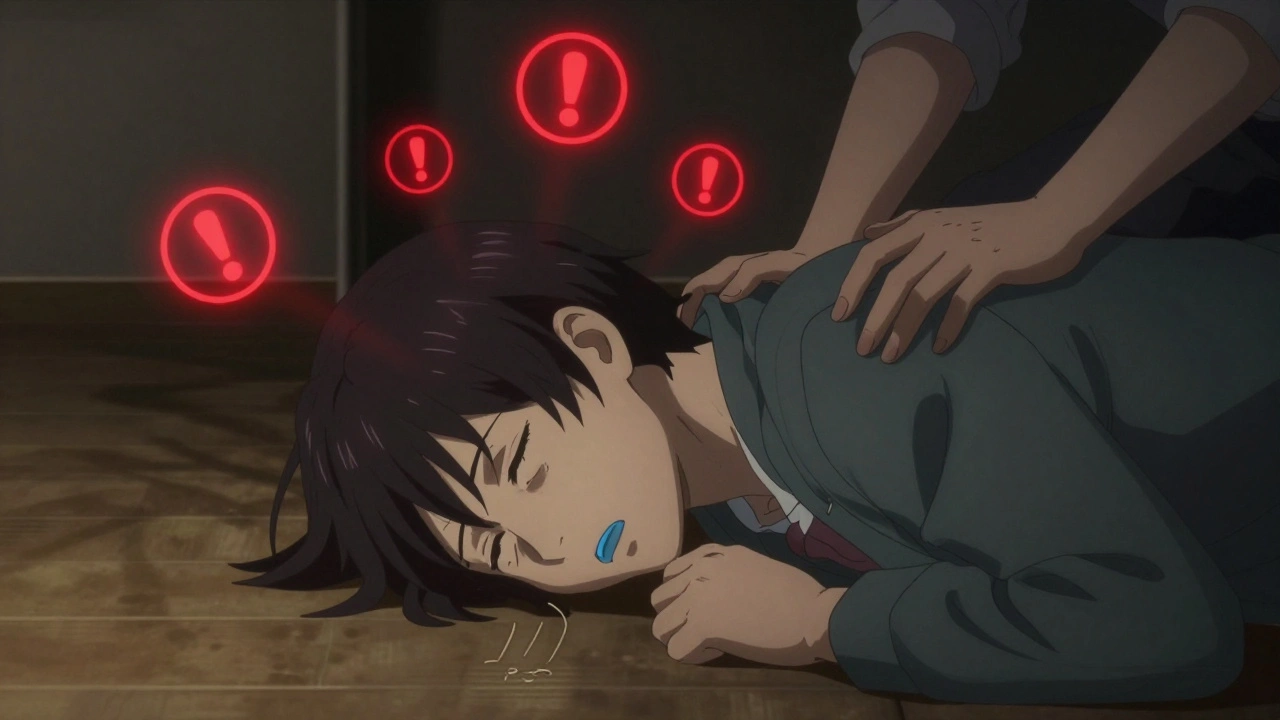
One of the most dangerous combinations involves sedating medications, drugs like opioids, benzodiazepines, and sleep aids that slow down the central nervous system. Also known as CNS depressants, they can cause respiratory depression, where breathing becomes shallow or stops entirely. This is why combining painkillers with anxiety meds or sleeping pills is a leading cause of accidental death. Another hidden threat is serotonin syndrome, a rare but deadly reaction from too much serotonin, often triggered by mixing antidepressants, pain meds, or even certain supplements. Symptoms include high fever, rapid heartbeat, confusion, muscle rigidity, and seizures. And with opioid overdose, a specific type of medication overdose caused by excessive use of painkillers like oxycodone or heroin. Also known as narcotic overdose, it often shows as slow, gasping breaths, blue lips, and unresponsiveness—signs that demand emergency help immediately. These aren’t theoretical risks. Real people experience them every day, often because they didn’t recognize the early signals.
Some signs are easy to miss. A person might seem drowsy, confused, or unusually quiet—not acting like themselves—but that’s exactly when you should worry. Nausea, vomiting, dizziness, or sudden changes in heart rate can be the first clues. In older adults, low blood sugar from diabetes meds or confusion from sedatives can look like normal aging—but they’re not. The key is knowing what’s normal for the person and spotting the deviation. If something feels wrong, it probably is. You don’t need to be a doctor to act. Calling emergency services early can save a life.
Below, you’ll find real stories and facts from people who’ve faced these risks firsthand—what went wrong, what they learned, and how to avoid the same mistakes. These aren’t warnings you can afford to ignore.
Learn the key signs of medication overdose - from opioid respiratory failure to stimulant heart attacks - and what to do immediately to save a life. Includes symptoms by drug type and how to use naloxone.