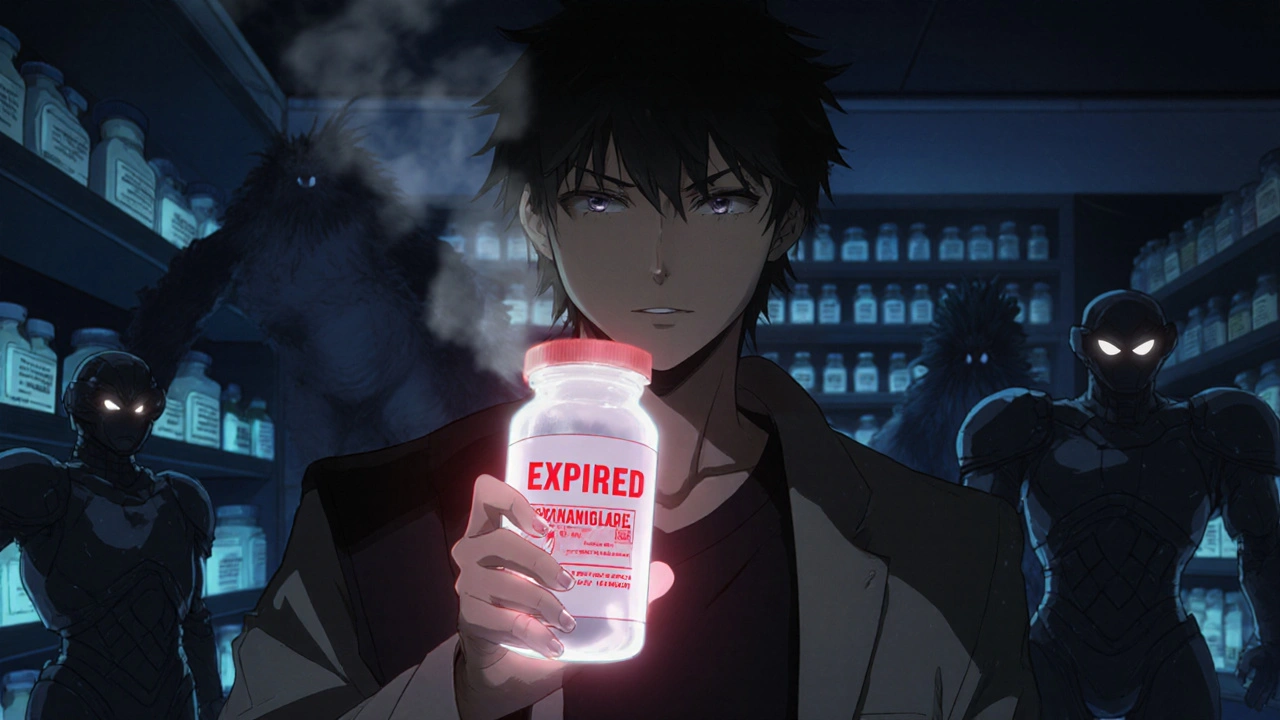
Expired Antibiotics: Risks, Realities, and What to Do Instead
When you find an old bottle of expired antibiotics, antibiotic medications that have passed their manufacturer-specified end date. Also known as out-of-date antibiotics, these drugs are often kept in medicine cabinets with the hope they might still work in a pinch. But using them isn’t just a bad idea—it can be dangerous. The date on the label isn’t arbitrary. It’s based on real-world testing that shows when the drug stops working as intended. After that point, the active ingredients break down. That means your infection might not get treated, and instead of getting better, you could get worse—or worse, trigger antibiotic resistance.
Antibiotic resistance isn’t a distant threat. It’s happening right now because of misuse, including taking weakened or expired drugs. When you take an antibiotic that’s lost its strength, it doesn’t kill all the bacteria. It only weakens them. The survivors multiply, and soon you’re dealing with a strain that no common drug can touch. This is how superbugs form. And it’s not just about you. These resistant bacteria spread to others through contact, food, water, and even the environment. antibiotic resistance, the ability of bacteria to survive exposure to antibiotics that once killed them is now a global health crisis backed by the WHO and CDC. You don’t need to be a scientist to understand this: if your antibiotic doesn’t work, your body can’t fight the infection—and neither can anyone else’s.
Some people think that if the pill still looks fine, it’s still good. But appearance doesn’t tell the whole story. Tetracycline, for example, can break down into toxic compounds after expiration. Even common ones like doxycycline or amoxicillin lose potency over time, especially if stored in heat or humidity. A 2020 study from the FDA showed that many expired antibiotics retained less than 90% of their labeled strength after just one year past the date. That’s not a small drop—it’s enough to make treatment fail. And if you’re self-treating because you can’t afford a new prescription or don’t have time to see a doctor, you’re putting your health at risk. There are better options. medication affordability, the ability to access necessary drugs without financial hardship isn’t about cutting corners—it’s about finding legal, safe ways to pay less. Tools like GoodRx, patient assistance programs, or generic versions can cut costs without sacrificing safety.
What should you do if you’ve got expired antibiotics? Don’t flush them. Don’t give them to someone else. Don’t take them. Take them to a pharmacy drop-off or local hazardous waste collection. Many pharmacies offer free take-back programs. If you’re unsure whether your meds are still good, call your pharmacist. They’ll check the batch and tell you if it’s safe—or if you need a new prescription. The truth is, your body doesn’t care how cheap or convenient a pill is. It only cares whether it’s strong enough to do the job. When it comes to antibiotics, there’s no second chance. Get the right dose, at the right time, from the right source. Your health depends on it.
Below, you’ll find real, practical advice on how to handle antibiotics safely, what to do when you can’t afford them, how they affect your body over time, and why skipping a refill isn’t worth the risk.
Expired antibiotics may still work, but using them risks treatment failure and antibiotic resistance. Learn what's safe, what's dangerous, and when to throw them out.