Beta-Blockers: How They Work, Risks, and What You Need to Know
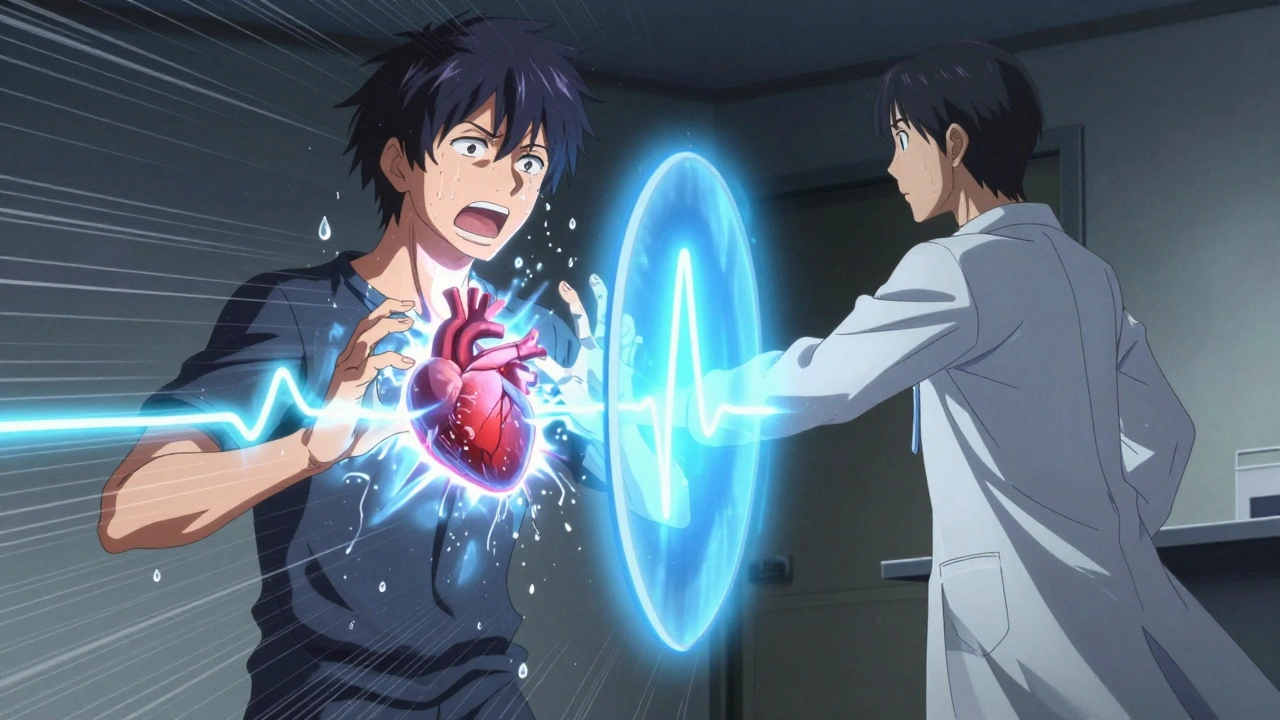
When your heart races too fast or your blood pressure stays too high, doctors often turn to beta-blockers, a class of medications that slow down your heart rate and reduce pressure on your arteries by blocking stress hormones like adrenaline. Also known as beta-adrenergic blocking agents, they’re one of the most common prescriptions for heart disease, but they’re not harmless—especially when mixed with other drugs or taken without monitoring.
These drugs don’t just help with heart conditions. They’re also used for migraines, tremors, and even anxiety—because they calm the physical symptoms of stress, like a pounding heart or shaky hands. But if you’re taking something like alcohol, a substance that also slows down your central nervous system, combining it with beta-blockers can drop your blood pressure too low or make you dizzy. And if you’re on diabetes medications, like metformin or insulin, beta-blockers can hide the warning signs of low blood sugar—like a fast heartbeat—making it harder to know when you’re in danger.
Not everyone reacts the same way. Older adults often feel more tired or sluggish on beta-blockers. People with asthma need to be careful—some types can trigger breathing problems. And if you suddenly stop taking them, your heart can go into overdrive, raising your risk of a heart attack. That’s why switching or stopping these meds should always be done with your doctor’s guidance.
You’ll find posts here that dig into the real risks: how beta-blockers interact with sedatives, what happens when they’re mixed with opioids or antidepressants, and why some people see no benefit at all. We cover what your pharmacist should check before filling your script, how body weight affects dosing, and why some generic versions work differently than others. This isn’t just about how they work—it’s about how they affect your life, your safety, and your other medications.
Beta-blockers like propranolol provide fast relief from hyperthyroidism symptoms such as rapid heartbeat, tremors, and anxiety. They don't cure the condition but are essential while long-term treatments take effect.