Anxiety and Insomnia: How They Connect and What Actually Helps
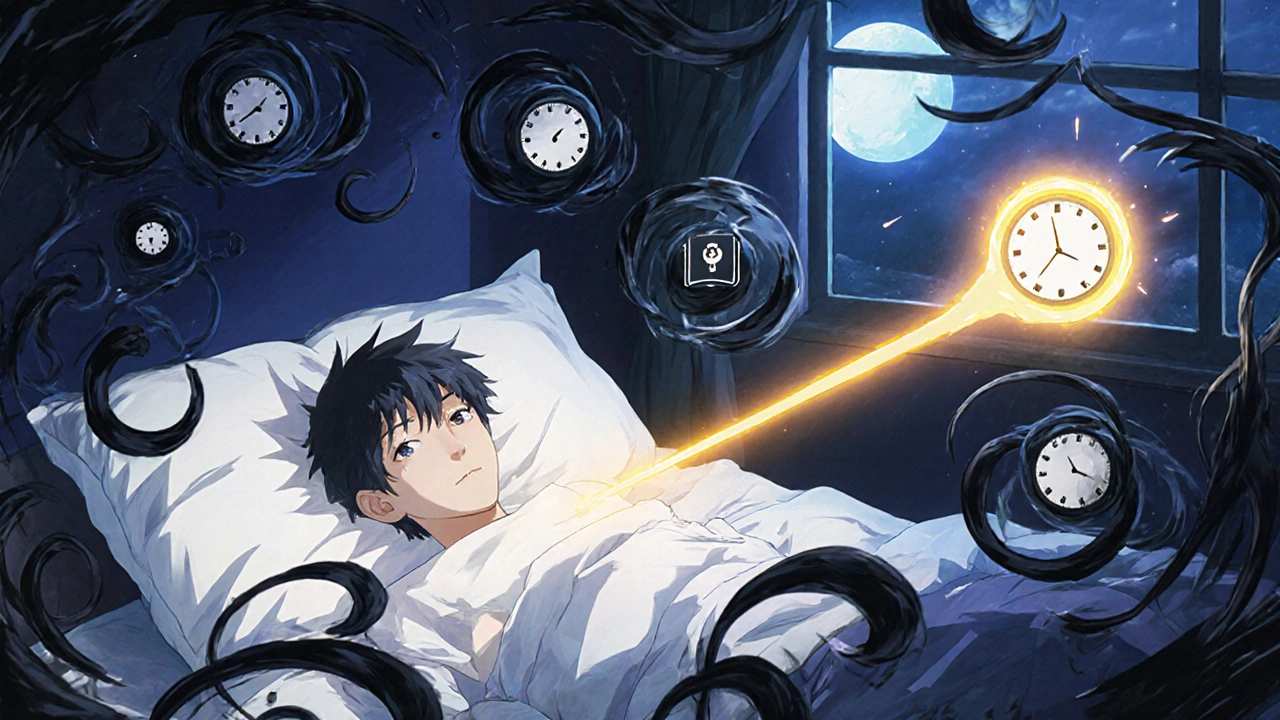
When you can’t sleep because your mind won’t shut off, or you lie awake worrying about tomorrow, you’re experiencing the tight link between anxiety and insomnia, a common pair of mental and physical health issues that often trigger each other. Also known as sleep-related anxiety, this cycle isn’t just about being tired—it rewires how your brain handles stress and rest.
It’s not just coincidence. People with panic disorder, a condition where sudden fear hits without warning, often at night are far more likely to struggle with falling or staying asleep. And when you’re chronically sleep-deprived, your brain’s fear center becomes overactive, making everyday worries feel like threats. This isn’t theoretical—it’s backed by brain scans showing heightened activity in the amygdala when sleep is poor. The same goes for stress management, the practical tools you use to calm your nervous system. Skipping them? You’re fueling the loop. Iron and folic acid supplements, for example, show real promise in lowering anxiety levels, while certain antidepressants like Celexa are prescribed not just for mood, but for their sleep-stabilizing effects.
What you’ll find here aren’t generic tips like "just relax" or "drink chamomile tea." These are real, research-backed insights from posts that dig into how medications like sedatives, SSRIs, and even muscle relaxants play into sleep and anxiety. You’ll see how panic disorder reshapes brain chemistry, why some people get worse sleep when they take certain painkillers, and how simple lifestyle shifts can break the cycle without pills. No fluff. No vague advice. Just what actually moves the needle when anxiety keeps you up—and how to fix it.
Treating insomnia with CBT-I isn't just about better sleep-it's a proven way to reduce depression and anxiety symptoms. Learn how this evidence-based therapy works and why it's more effective than pills.